Can Botox Help With A Gummy Smile Alongside Dental Work?
A gummy smile shows more gum than a person would like when smiling. For some Australians, the cause is an upper lip that lifts too far; for others, it is related to tooth shape, gum position, jaw development, or a combination of factors. Botulinum toxin, commonly known by the brand name Botox, can help in selected cases by reducing excessive upper-lip movement.
The best result often comes from matching the treatment to the underlying cause. Veneers, crowns, gum contouring, orthodontics, aligners, or jaw-related care may be more suitable than injections alone. A personalised assessment at a clinic such as TruDent Clinics in Izmir can show whether Botox should be used as a standalone option or alongside cosmetic and general dental work.
How Botulinum Toxin Changes A Gummy Smile
A gummy smile caused by an overactive upper lip may respond well to small amounts of botulinum toxin. The injection temporarily relaxes muscles around the nose and upper lip, limiting how high the lip rises during a smile. This can reduce the visible gum area without changing the teeth or permanently altering facial structure.
Results usually develop over several days and may last around three to four months, although the duration varies between patients. The effect depends on the dose, the muscle pattern, metabolism, and the practitioner’s technique. Because the treatment is temporary, it can also be useful as a conservative way to assess whether reducing lip elevation gives the desired appearance.
Botox does not lengthen short teeth, remove excess gum tissue, straighten crowded teeth, or correct a skeletal jaw difference. If the smile line is mainly affected by tooth proportions or gum height, veneers, crowns, periodontal contouring, orthodontics, or another dental procedure may produce a more complete improvement.
When Dental Treatment May Be Needed As Well
A dentist should examine the teeth, gums, bite, lip movement, and facial proportions before recommending treatment. A gummy smile can be linked to altered passive eruption, where too much gum covers the visible part of a tooth. In that situation, carefully planned gum reshaping may expose more of the natural tooth and create a balanced smile.
Veneers or crowns may be considered when teeth are worn, chipped, uneven, discoloured, or too short in proportion to the face. However, these treatments should not be used simply to hide a problem that has not been diagnosed. Preserving healthy enamel and checking gum health are important before any cosmetic dental work begins.
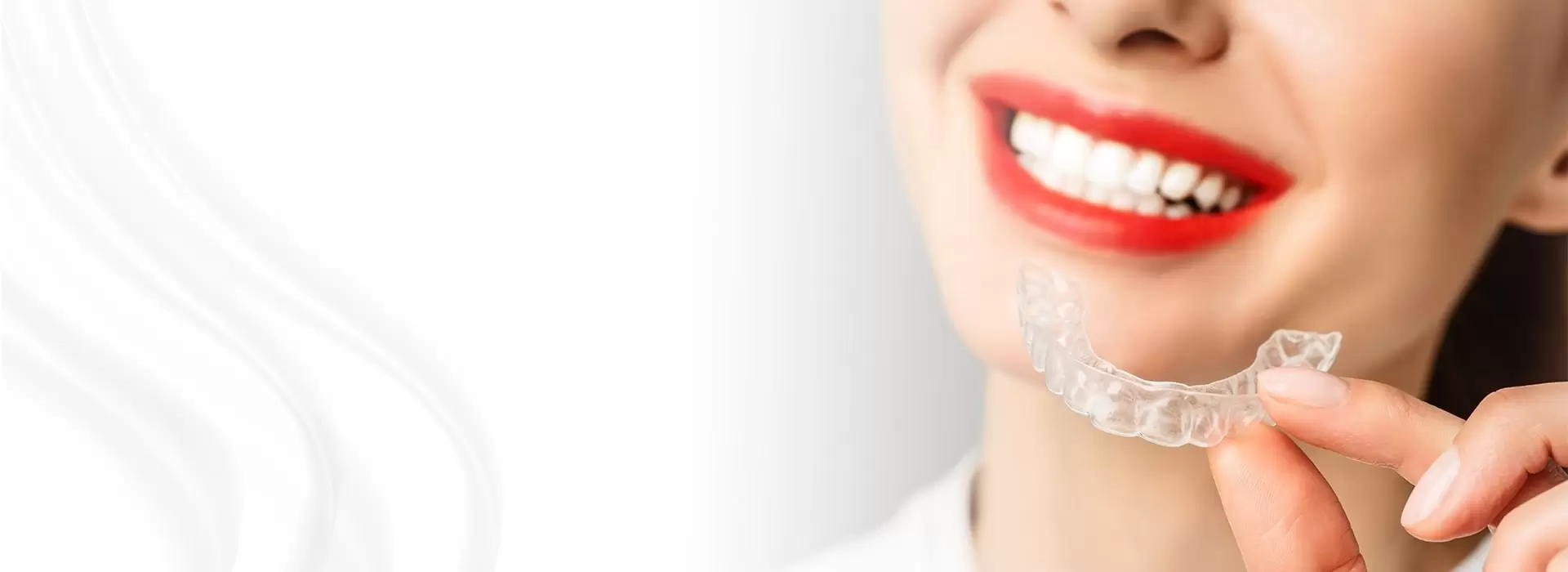
Orthodontic treatment or invisible aligners can help when tooth position and the bite contribute to the appearance of excessive gum. More complex jaw-related causes may require referral to an appropriate specialist. Botox may still have a role in a combined smile makeover, but it should complement the dental plan rather than replace necessary treatment.
Combining Botox With Veneers, Crowns, Or Aligners
The order and timing of procedures matter. A dentist may recommend completing an examination and digital smile assessment first, then deciding whether aligners, gum treatment, veneers, or crowns should come before the injection. The final tooth position and shape can affect how the lips sit and how much gum appears.
Botulinum toxin may be used after dental work to fine-tune the smile by reducing upper-lip elevation. In other cases, a clinician may use it as a temporary trial before a patient commits to more extensive cosmetic dentistry. This can help reveal whether lip movement is a major contributor to the gummy appearance.
Careful dosing is essential. Too much product or an injection placed in the wrong area may cause an uneven smile, difficulty drinking through a straw, changes in speech, or a heavy-looking upper lip. The goal is usually a subtle reduction in gum display while preserving natural facial expression.
Safety, Credentials, And Australian Considerations
In Australia, botulinum toxin is a prescription-only medicine regulated by the Therapeutic Goods Administration. Cosmetic injections should be provided by an appropriately qualified and registered health practitioner who can assess medical history, explain risks, and manage complications. Registration can be checked through the Australian Health Practitioner Regulation Agency, while clinics should provide clear information about the prescribing practitioner and follow-up arrangements.
Australian patients often compare treatment in Sydney, Melbourne, Brisbane, Perth, or Adelaide with care overseas. Cosmetic dental procedures and facial injectables are generally not covered by Medicare, and private health insurance may exclude elective cosmetic treatment or pay only limited dental benefits. A lower quoted price overseas should therefore be compared with the full cost of consultations, flights from Australia, accommodation, medication, and any follow-up care.
Travel timing is also important. Flying shortly after extensive dental work or injectable treatment may be inconvenient, particularly if swelling, sensitivity, or an adjustment is needed. Australia’s strong sun exposure and outdoor lifestyle also make diligent sunscreen use important after procedures, especially where gum contouring or other treatments have been performed. Patients should receive written aftercare instructions and know who to contact once they return home.
Practical Recommendations Before Treatment
- Have the cause of the gummy smile assessed rather than choosing injections based only on photographs.
- Ask whether the treatment plan should include gum contouring, veneers, crowns, orthodontics, aligners, or jaw assessment.
- Confirm the practitioner’s dental, medical, and injectable-treatment qualifications and review before-and-after cases.
- Request details about the botulinum toxin product, expected duration, possible side effects, and emergency support.
- Allow enough time in Izmir for consultation, treatment, review, and any necessary adjustment before flying back to Australia.
- Obtain a written treatment plan and copies of relevant dental records for follow-up with an Australian practitioner.
- Avoid scheduling treatment immediately before a major event, long-haul flight, or period when follow-up access will be limited.
Choosing A Personalised Smile Plan
A consultation should assess how much gum shows at rest and during a broad smile, how strongly the upper lip moves, the relationship between the teeth and gums, and whether the bite is stable. Photographs, digital scans, X-rays, or periodontal measurements may be recommended depending on the proposed treatment. This evaluation helps separate a muscle-related gummy smile from a dental or skeletal cause.
Patients should also discuss previous fillers or injectables, medications, allergies, pregnancy or breastfeeding, neuromuscular conditions, and any history of difficulty swallowing or breathing. Temporary bruising, tenderness, headache, asymmetry, and unwanted weakness are possible after botulinum toxin. Rare but serious symptoms require urgent medical attention.
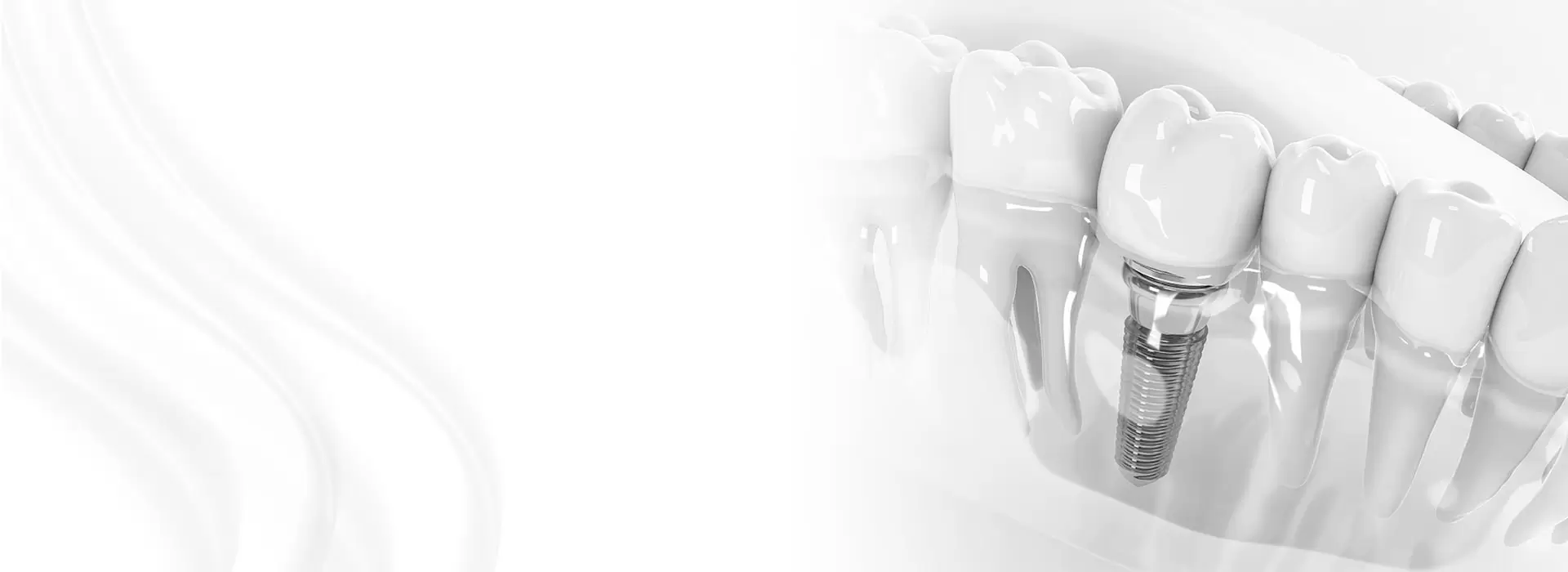
At TruDent Clinics, a coordinated plan can bring cosmetic dentistry and facial aesthetic care into the same conversation. A consultation may consider teeth whitening, veneers, crowns, invisible aligners, gum-focused treatment, implants where appropriate, and botulinum toxin for upper-lip movement or jaw-related concerns. The most natural result comes from treating the features that actually create the smile imbalance.
If excessive gum display is affecting confidence, schedule a consultation with TruDent Clinics in Izmir before committing to Botox or dental work. A professional assessment can clarify whether a small, temporary muscle-relaxing treatment is suitable, whether dental treatment should come first, and how to plan safe follow-up before returning to Australia.