Can Botox help with wrinkles and TMJ pain at the same time
Botulinum toxin is widely known in Australia as a cosmetic treatment for frown lines, forehead creases and crow’s feet. Its medical uses are broader, too. Dentists and doctors may use carefully placed injections to reduce excessive muscle activity linked with jaw clenching, facial tension and some forms of temporomandibular joint discomfort.
This means one treatment plan may address two concerns at once: facial lines caused by repeated muscle movement and pain associated with overactive chewing muscles. The result is not a cure for every type of TMJ disorder, and Botox is not suitable for everyone, but it can be a useful option after a proper assessment.
For patients considering dental care in Turkey, the key is to look beyond a quick cosmetic appointment. A qualified clinician should examine your bite, jaw movement, muscle tenderness, medical history and expectations before recommending botulinum toxin. Treatment should fit into a wider plan that may include a night guard, stress management, physiotherapy or dental care.
How botulinum toxin may affect facial muscles
Botox temporarily reduces the nerve signals that tell targeted muscles to contract. In cosmetic treatment, this can soften dynamic wrinkles, which are lines that become more visible when you frown, raise your eyebrows or squint. It does not remove every wrinkle, and it has less effect on loose or sun-damaged skin that remains creased when the face is relaxed.
For jaw-related concerns, injections are usually aimed at muscles such as the masseter and temporalis. These muscles help with chewing and can become enlarged, tense or sore when a person clenches their teeth or grinds at night. Reducing their force may ease pressure around the jaw and create a slimmer lower-face appearance for some patients.
The cosmetic and therapeutic effects come from the same basic action: calming selected muscles. However, the injection points, dose and treatment goals differ. A clinician treating forehead lines is working with different anatomy from one treating bruxism or myofascial jaw pain. This is why a combined plan should be personalised rather than based on a standard dose.
When TMJ pain may respond to Botox
TMJ pain can have many causes, including muscle overuse, teeth grinding, an uneven bite, joint inflammation, arthritis, trauma and disc-related problems. Botox is more likely to help when the main issue involves tight or overactive chewing muscles. It may reduce clenching intensity, morning jaw fatigue, facial aching and some tension-type headaches linked with muscle activity.
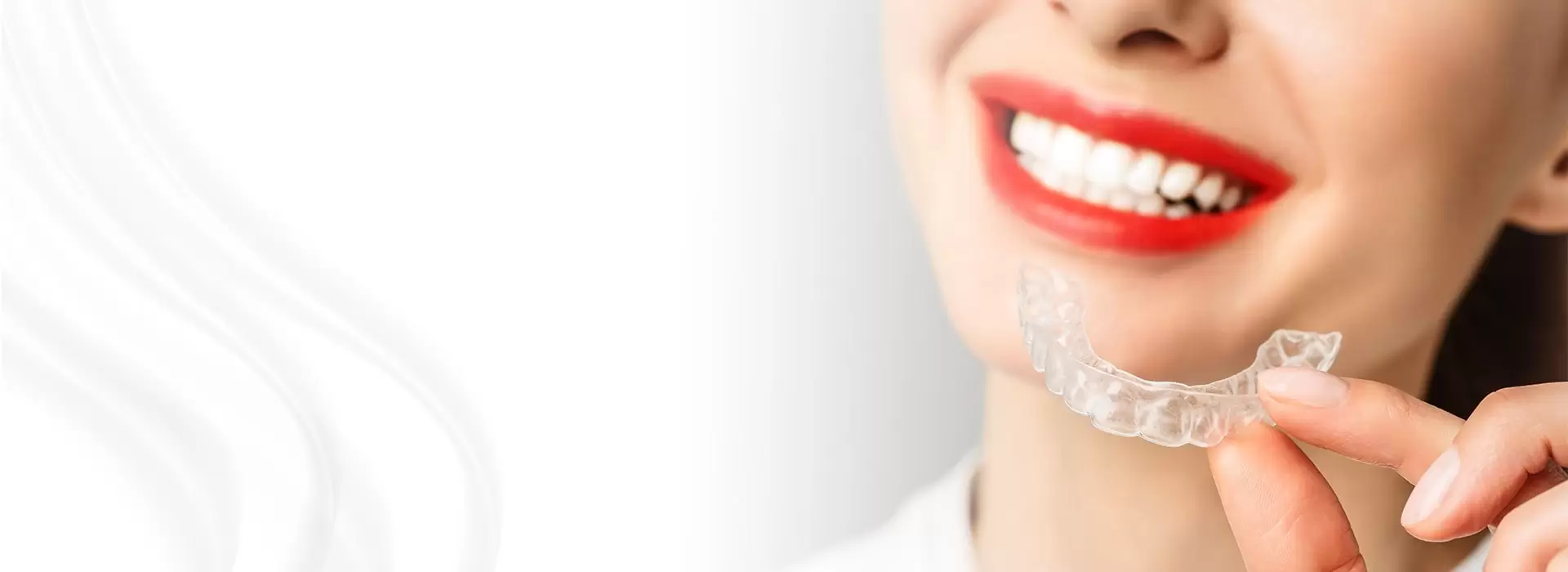
It may be considered when conservative approaches have not provided enough relief or when a patient cannot tolerate a traditional occlusal splint. A night guard can protect teeth from grinding, but it does not necessarily stop the muscles from contracting. In some cases, a dentist combines protective dental appliances with other therapies rather than replacing one with the other.
Botox is not a universal treatment for jaw disorders. It may have limited value when pain comes mainly from severe joint degeneration, infection, a fractured tooth or a structural problem requiring another form of care. Persistent locking, a sudden change in your bite, swelling, fever or difficulty opening the mouth needs prompt dental assessment rather than cosmetic injections.
Combining wrinkle treatment with jaw care
A consultation should separate cosmetic goals from pain-related symptoms. You may want softer frown lines while also experiencing tooth wear, clicking, facial tenderness or headaches. The practitioner can assess whether these concerns are connected and decide which muscles, if any, should be treated. Photographs, a bite examination and an assessment of opening range can help create a safer plan.
The timing of results is different for each purpose. Muscle relaxation often begins over several days, with the full effect developing over roughly two weeks. Cosmetic improvement may last around three to four months, although this varies with the dose, muscle strength, metabolism and treatment area. Jaw comfort may last for a similar period, but the underlying habit of clenching can return as the effect wears off.
A combined session does not guarantee a dramatic change in facial shape or complete pain relief. Too much product in the wrong location may affect chewing, smiling or facial expression. Experienced injectors use conservative dosing and review the outcome before deciding whether further treatment is appropriate. Maintaining a natural appearance is especially important when treating both the upper face and lower face.
Safety and Australian treatment considerations
In Australia, botulinum toxin is a prescription-only medicine regulated by the Therapeutic Goods Administration. It should be prescribed and administered by an appropriately qualified registered health practitioner, such as a doctor or dentist with relevant training. Advertising and patient communication are also subject to Australian Health Practitioner Regulation Agency requirements, so claims promising guaranteed results or a permanent cure should be treated cautiously.
The product may cause temporary tenderness, bruising, headache or local weakness. Jaw injections can sometimes produce chewing fatigue, changes in smile balance or an altered facial contour. Serious complications are uncommon when treatment is properly selected and performed, but you should disclose pregnancy, breastfeeding, neuromuscular conditions, allergies, current medicines and previous reactions before treatment.
Cost and access also influence decisions for Australian patients. Cosmetic Botox and many TMJ-related services are generally not covered by Medicare, while private health insurance benefits vary and may exclude cosmetic procedures. Someone travelling from Sydney, Melbourne, Brisbane or Perth to Izmir should budget for consultation, treatment, flights, accommodation and possible follow-up rather than comparing the injection price alone.
Australia’s strong sun exposure can also make facial ageing more noticeable, particularly for people who spend time outdoors or commute in bright conditions. Daily broad-spectrum sunscreen, sunglasses and avoiding excessive sun exposure remain important, because relaxing facial muscles will not reverse pigmentation, collagen loss or other ultraviolet damage. Likewise, reducing caffeine late in the day, managing work stress and wearing a dentist-approved night guard may support jaw comfort.
Choosing a suitable treatment plan in Izmir
A reputable clinic should discuss whether your symptoms are truly related to the temporomandibular joint or are coming from the muscles, teeth or another source. Ask who will prescribe and inject the product, how often they treat jaw disorders, what brand is being used, and how complications and follow-up are managed. You should receive clear information about expected benefits, limitations, aftercare and fees.
If you are combining dental treatment with facial aesthetics, the order of care matters. Untreated decay, gum disease, a cracked tooth or an unstable bite may need attention first. A dentist can also check whether tooth wear suggests bruxism and whether a custom splint, restorative work or orthodontic treatment would be more appropriate than relying on muscle relaxation alone.
People travelling overseas for care should allow enough time for assessment and review rather than arranging injections immediately before a flight home. Bruising and tenderness can be inconvenient, and a follow-up appointment may be valuable if the response is uneven or jaw function feels different. Reviewing a clinic’s credentials and discussing continuity of care with your local dentist in Australia can make the process more practical.
For patients exploring cosmetic and dental options together, a personalised dental consultation can help clarify whether botulinum toxin belongs in the plan. The goal should be balanced care: easing excessive muscle tension where appropriate, preserving normal chewing and expression, and addressing the dental factors that may be driving the symptoms.
If wrinkles and jaw pain are affecting your confidence, comfort or daily routine, arrange an assessment with a qualified dental or medical practitioner. Bring a list of medicines, details of previous injections, information about clenching or grinding, and any records from your Australian dentist. A careful examination can determine whether Botox, a night guard, physiotherapy, dental treatment or a combination offers the safest path forward.