Can Botox Help with TMJ Disorders?
Jaw pain, facial tension, clicking, headaches, and difficulty chewing can all be connected to temporomandibular joint disorders, commonly called TMJ or TMD. These conditions affect the joints that connect the lower jaw to the skull, as well as the muscles responsible for chewing and jaw movement.
Botulinum toxin injections, often referred to as Botox, may help some people when excessive muscle activity contributes to their symptoms. The treatment does not repair damaged joint tissue, correct a misaligned bite, or replace a missing tooth. Instead, it temporarily reduces the strength of selected muscles that may be overworked or clenched.
A proper diagnosis is essential before choosing any treatment. At TruDent Clinics in Izmir, a consultation can help determine whether jaw muscle tension, tooth grinding, joint inflammation, dental problems, or another factor is driving your discomfort. The recommended plan should be based on your symptoms, examination, medical history, and long-term dental health.
Understanding TMJ disorders
TMD is a broad term covering several problems involving the temporomandibular joints, chewing muscles, or both. Some people experience pain in front of the ears, while others notice jaw stiffness, limited opening, locking, or a change in how their teeth meet. Symptoms can affect one side or both sides of the face.
Common signs include clicking or popping sounds, tenderness around the jaw, facial fatigue, ear-related discomfort, and headaches near the temples. A joint sound without pain or restricted movement may not require treatment, but persistent pain and changes in jaw function should be assessed by a dentist.
The causes are often mixed. Teeth grinding, stress-related clenching, trauma, arthritis, dental wear, bite changes, and inflammation can all play a role. Because symptoms may overlap with ear, dental, or neurological conditions, self-diagnosis is unreliable.
How botulinum toxin may reduce jaw symptoms
Botulinum toxin works by temporarily blocking signals between nerves and muscles. When it is injected into carefully selected muscles, it can reduce excessive contraction. For TMD-related care, dentists or qualified medical professionals may target the masseter muscles at the sides of the jaw and, in some cases, the temporalis muscles near the temples.
Reducing muscle activity may ease clenching, decrease pressure placed on the joint, and lessen muscle-related pain. Some patients also notice a reduction in tension headaches or a slimmer lower-face appearance when enlarged masseter muscles contribute to a square jawline. The cosmetic effect is secondary to the functional goal and should not replace a medical assessment.
The treatment is temporary. Effects commonly become noticeable within several days and may last for a few months, although the duration varies according to dosage, muscle strength, metabolism, and the underlying cause of the symptoms. Repeat treatment should be considered only after reviewing the response and any side effects.
When injections may be appropriate
Botulinum toxin may be considered when jaw muscle overactivity is a major source of discomfort, particularly for people with persistent clenching, bruxism, muscle hypertrophy, or pain that has not responded adequately to conservative measures. It can sometimes be useful when a patient cannot tolerate an oral splint or continues to experience strong muscle tension despite using one.
It is less likely to solve symptoms caused primarily by internal joint damage, advanced arthritis, a displaced disc, infection, or a serious bite problem. In those cases, treatment may involve a night guard, physiotherapy, medication, restorative dentistry, orthodontics, joint-focused care, or referral to an oral and maxillofacial specialist.
A detailed consultation should include an examination of the jaw joints, chewing muscles, teeth, bite, and range of motion. Imaging may be recommended when there is locking, significant trauma, swelling, severe limitation, or concern about structural joint disease. The purpose is to match the treatment to the cause rather than simply treat facial pain with injections.
Comparing treatment options
There is no single best treatment for every type of TMD. Many people benefit from a combination of approaches, beginning with options that are reversible and minimally invasive. Resting the jaw, avoiding gum chewing, choosing softer foods temporarily, applying heat, and learning to recognize daytime clenching can reduce strain.
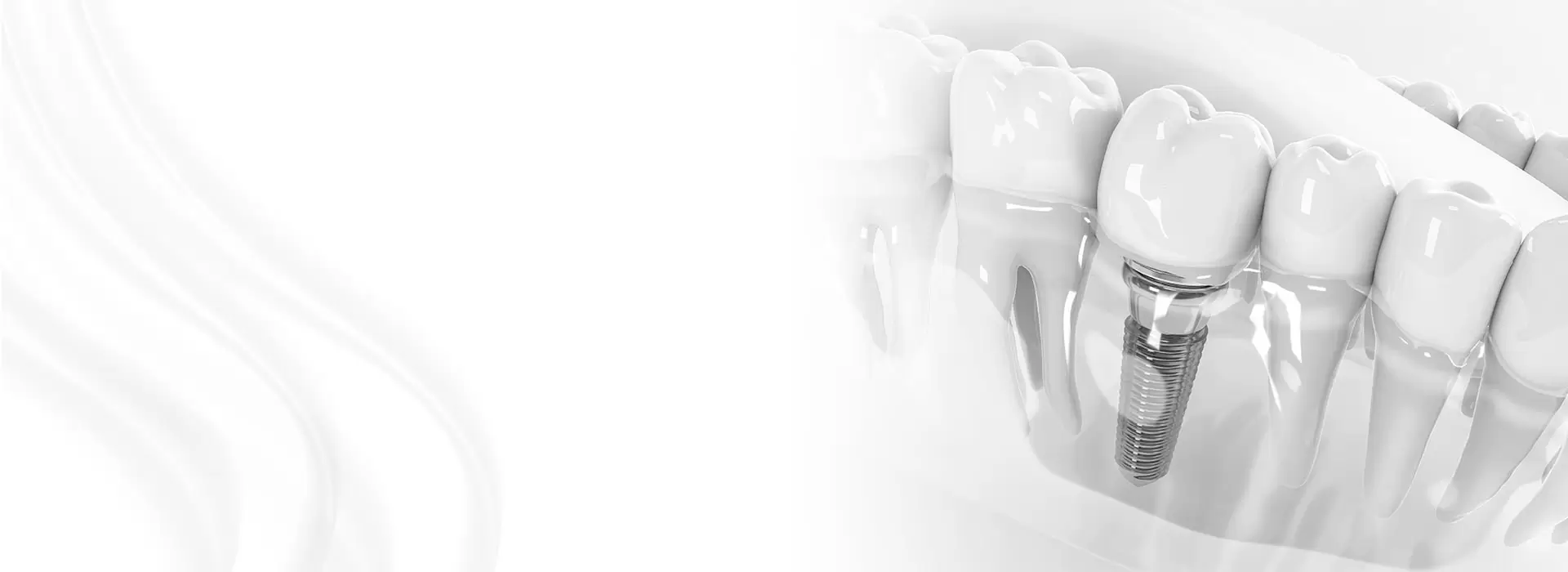
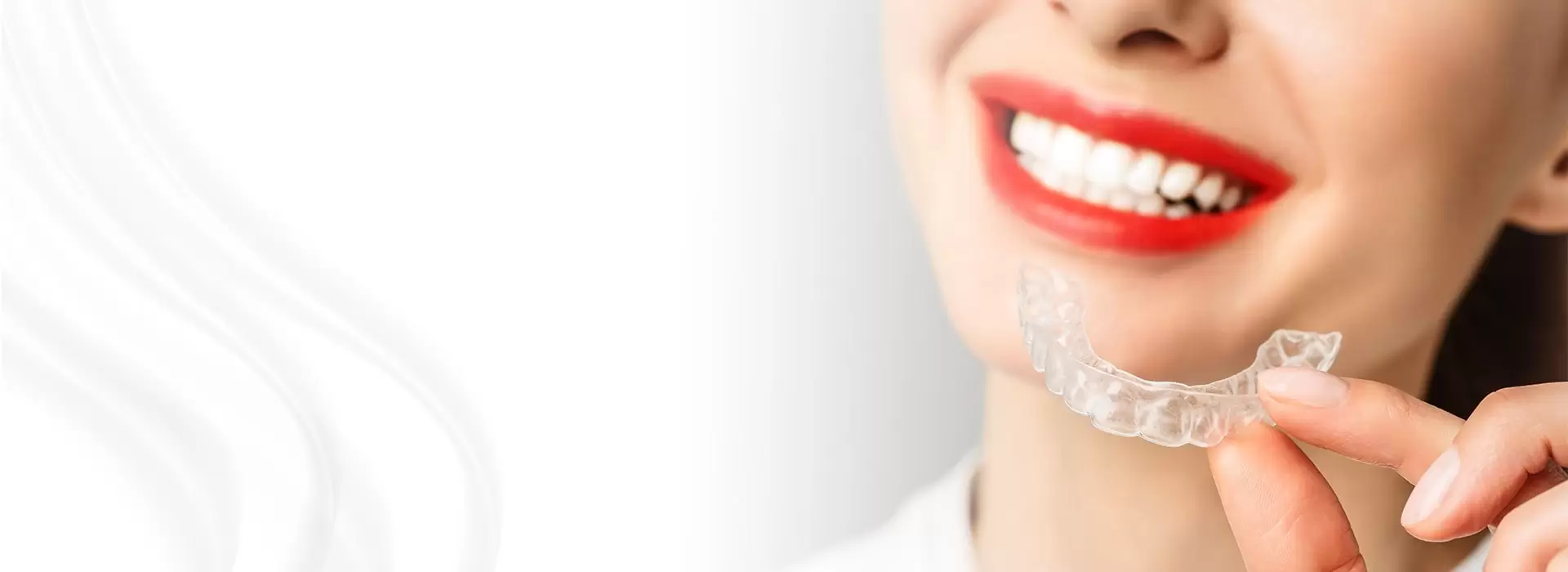
A dentist may recommend a custom occlusal splint, especially when nighttime grinding is suspected. Physiotherapy can support jaw mobility, posture, and muscle coordination. Medication may be used for inflammation or pain when medically appropriate. If missing teeth or an unstable bite contributes to uneven chewing forces, restorative treatment may form part of a broader plan; a single-tooth implant may be discussed when replacement of an individual missing tooth is indicated.
| Approach |
Main purpose |
Typical role in care |
Important limitation |
| Botulinum toxin |
Reduces excessive muscle contraction |
Muscle-related pain, clenching, or hypertrophy |
Temporary and does not repair joint damage |
| Occlusal splint |
Limits tooth contact and protects teeth |
Nighttime grinding and bite-related strain |
Requires professional design and adjustment |
| Physiotherapy |
Improves movement and muscle function |
Stiffness, poor coordination, and recovery |
Results depend on regular participation |
| Medication |
Controls pain or inflammation |
Short-term symptom management |
May not address the underlying cause |
| Dental or orthodontic care |
Addresses tooth loss, wear, or bite concerns |
Selected structural or functional problems |
Must be planned carefully for each patient |
| Specialist joint treatment |
Evaluates significant internal joint disease |
Locking, trauma, or advanced pathology |
May involve more complex procedures |
Benefits and possible limitations
For suitable patients, the main potential benefits include reduced jaw tension, fewer clenching-related symptoms, less muscle tenderness, and improved comfort during chewing. Some people report fewer tension headaches and better awareness of their habit of tightening the jaw. The procedure is generally quick and does not require the recovery period associated with surgery.
However, results are not guaranteed. If the main problem is an inflamed or damaged joint, injections into the chewing muscles may provide limited relief. Botox also does not eliminate stress, correct tooth wear, restore a missing tooth, or permanently stop bruxism. It should be viewed as one part of a carefully selected treatment plan.
Repeated injections may affect muscle strength and, in some cases, chewing comfort. There is also a possibility of asymmetry or an unwanted change in facial movement if the product spreads beyond the intended area. A clinician should use an appropriate dose and injection pattern based on anatomy and treatment goals.
Safety, side effects, and preparation
Possible short-term effects include tenderness, bruising, mild swelling, temporary weakness, headache, or discomfort while chewing. Less common complications can include facial asymmetry, an altered smile, difficulty swallowing, or unintended muscle weakness. Serious reactions are uncommon, but urgent medical attention is required for breathing or swallowing difficulties.
Patients should disclose pregnancy or breastfeeding, neuromuscular disorders, allergies, current medications, previous facial procedures, and any infection near the proposed injection sites. Blood-thinning medicines and certain antibiotics may affect the risk profile, so medication decisions should be discussed with a healthcare professional rather than changed independently.
Before treatment, the clinician should explain the expected onset, duration, alternatives, and follow-up plan. After injections, patients may be advised to avoid rubbing the treated areas and to follow specific activity instructions. A review appointment can assess symptom changes and determine whether additional care is needed.
Choosing a personalized jaw pain plan
The most effective plan depends on whether the dominant problem is muscular, joint-related, dental, behavioral, or a combination. A thorough dental evaluation can identify cracked teeth, worn enamel, cavities, missing teeth, or bite changes that may intensify jaw strain. Treating those factors can be important even when botulinum toxin is being considered.
Patients should also discuss realistic goals. Some want relief from chronic facial pain, while others are primarily concerned about night grinding, temple headaches, or an enlarged masseter profile. Clear goals help the clinician choose injection sites, dosage, and complementary treatments without promising results that the procedure cannot deliver.
TruDent Clinics provides general and aesthetic dental care in Izmir, including consultations for jaw-related concerns and personalized treatment planning. A professional assessment can clarify whether botulinum toxin is suitable, whether a night guard or physiotherapy should come first, or whether another dental or specialist treatment is more appropriate.
Practical steps before choosing injections
- Record when jaw pain, headaches, clicking, or clenching occur.
- Mention tooth grinding, previous dental work, injuries, and relevant medical conditions.
- Ask whether the symptoms appear muscle-related or joint-related.
- Discuss conservative options, expected duration, costs, and possible side effects.
- Arrange follow-up care to evaluate results rather than relying on repeat injections automatically.
If persistent jaw pain, limited opening, tooth damage, or facial tension is affecting daily life, scheduling a consultation with TruDent Clinics can provide a clearer diagnosis and suitable options. The right plan may include botulinum toxin, dental treatment, a protective splint, physiotherapy, or a combination designed around your needs.