How Dental Implants Support Jawbone Health After Tooth Loss
Tooth loss affects more than the visible appearance of a smile. When a tooth and its root are missing, the jawbone no longer receives the pressure that helps maintain its volume. Over time, the bone may become narrower or shorter, which can alter facial contours and make future tooth replacement more complex.
Can dental implants help with bone loss in the jaw? They can help preserve the bone that remains because an implant acts as an artificial tooth root. However, implants do not automatically rebuild bone that has already been lost. Patients with insufficient bone may need a grafting procedure or another preparatory treatment before implant placement.
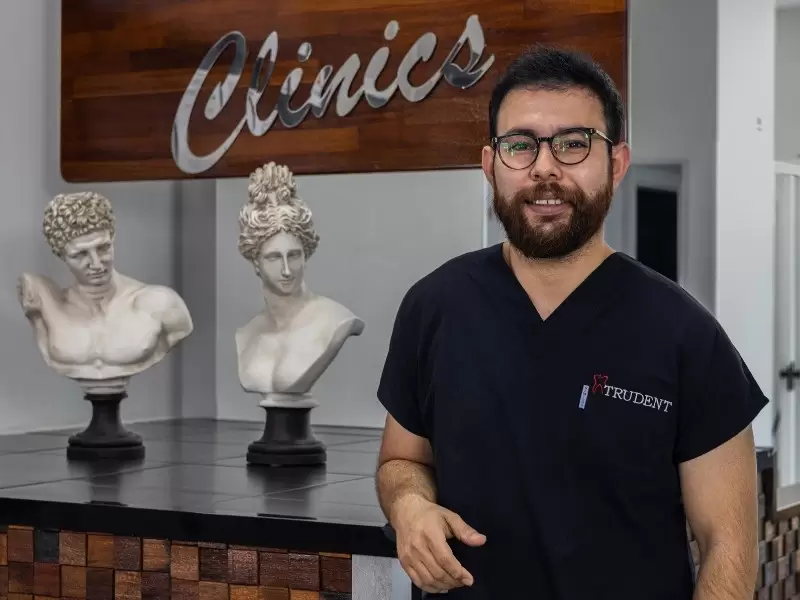
At TruDent Clinics in Izmir, implant planning begins with an assessment of oral health, bone structure, bite, and aesthetic goals. A personalized plan may include bone augmentation, a single implant, implant-supported bridges, or a full-arch restoration, depending on the extent and location of tooth loss.
Why Tooth Loss Leads To Jawbone Resorption
Natural teeth stimulate the surrounding jawbone whenever a person bites and chews. The tooth root transfers these forces into the bone, signaling that the tissue is still needed. Once the root is removed or lost, that stimulation decreases, and the body gradually resorbs the unused bone.
Bone loss is often most noticeable during the first several months after extraction, although the process can continue for years. The ridge may become thinner, and the height of the bone can decrease near important structures such as the maxillary sinus or the lower jaw nerve.
This change can affect more than implant treatment. Reduced bone volume may make dentures less stable, alter the way the upper and lower teeth meet, and contribute to a sunken appearance around the cheeks and lips. Gum disease, trauma, infection, and long-term denture use can accelerate the loss of supporting tissue.
How Implants Preserve Remaining Bone
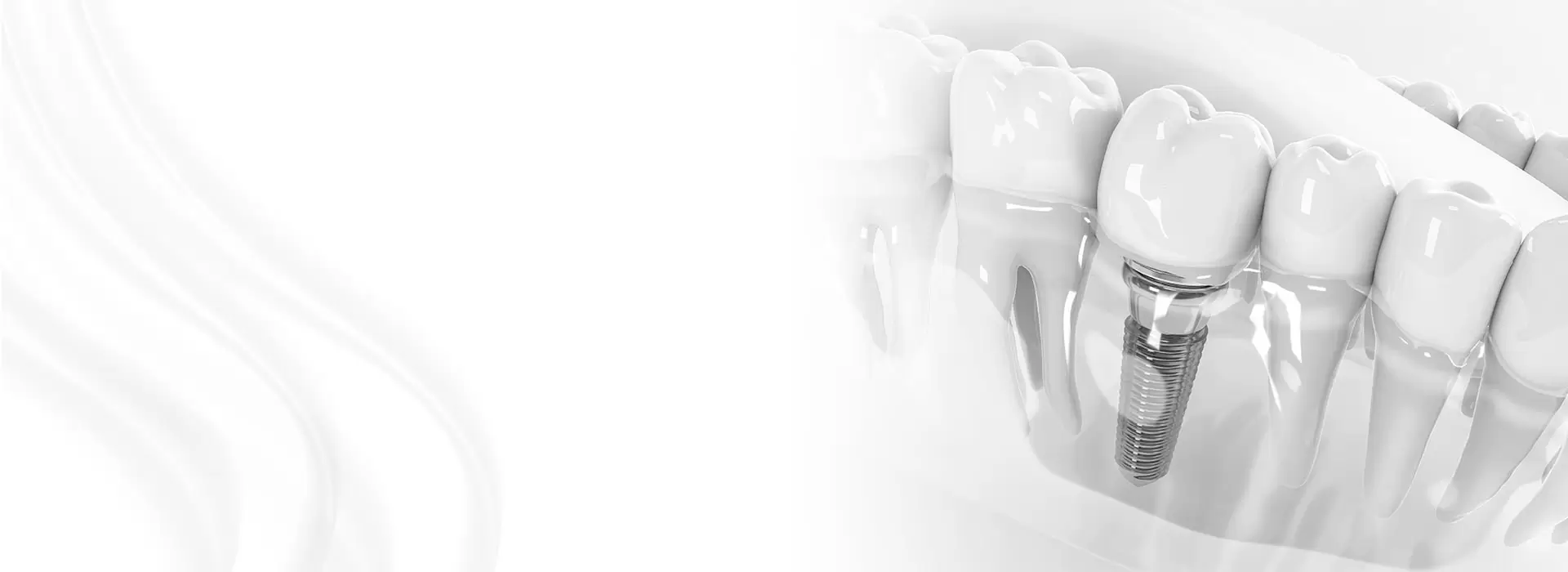
A dental implant is a small biocompatible post, commonly made from titanium, inserted into the jawbone. After placement, the bone can gradually bond with its surface through a process called osseointegration. Once healing is complete, the implant supports an abutment and a crown, bridge, or denture.
The chewing forces transferred through an integrated implant can provide stimulation to the surrounding bone. This helps reduce the disuse-related resorption that commonly occurs beneath a missing tooth. In this way, implants can support long-term jawbone preservation more effectively than replacements that rest only on the gums.
The effect is localized. An implant can help maintain bone around its own site, but it cannot restore bone throughout the entire jaw or reverse every change caused by previous tooth loss. Early evaluation after extraction may improve the opportunity to preserve the socket with a bone graft or place an implant before extensive resorption develops.
When Bone Grafting May Be Needed
A dentist or oral surgeon evaluates bone width, height, density, and quality before recommending implant surgery. Dental X-rays may provide an initial overview, while three-dimensional CBCT imaging offers a more detailed view of the jaw and nearby anatomical structures.
If the ridge is too narrow or short to hold an implant securely, bone augmentation may be recommended. A socket preservation graft can fill the space left after extraction. Ridge augmentation can rebuild width or height, while a sinus lift may create additional vertical bone in the upper back jaw when the sinus has expanded into the area.
Bone graft materials may come from the patient, a carefully processed donor source, or a synthetic substitute. The material acts as a framework for new bone growth, but healing time varies according to the procedure, the patient’s general health, and the size of the treatment area. Some cases allow grafting and implant placement together; others require staged treatment.
| Treatment Approach |
Main Purpose |
Typical Use |
Bone Preservation Effect |
| Dental implant and crown |
Replaces a tooth and root |
One missing tooth with adequate support |
Helps maintain bone around the implant |
| Implant-supported bridge |
Replaces several adjacent teeth |
Multiple missing teeth |
Preserves bone at implant sites, not every missing-root area |
| Implant-retained denture |
Improves denture stability |
Several or all teeth missing |
Provides stimulation at selected implant positions |
| Bone grafting |
Rebuilds deficient jaw volume |
Insufficient width or height |
Creates a foundation for later or simultaneous implants |
| Conventional bridge |
Replaces visible tooth crowns |
Selected cases with healthy neighboring teeth |
Does not replace the missing root or directly stimulate the empty site |
| Removable denture |
Replaces teeth and gum-colored tissue |
Patients seeking a non-surgical option |
May not prevent gradual bone resorption |
Factors That Affect Implant Candidacy
Healthy gums are essential for successful implant treatment. Active periodontal disease can damage the tissues supporting natural teeth and implants, so infection and inflammation should be controlled before surgery. Good daily brushing, interdental cleaning, and regular professional maintenance are important after treatment as well.
Smoking and nicotine use can restrict blood flow and interfere with wound healing and osseointegration. Diabetes that is not well controlled may also increase healing complications. A detailed medical history helps the dental team identify factors that require treatment, monitoring, or a modified surgical plan.
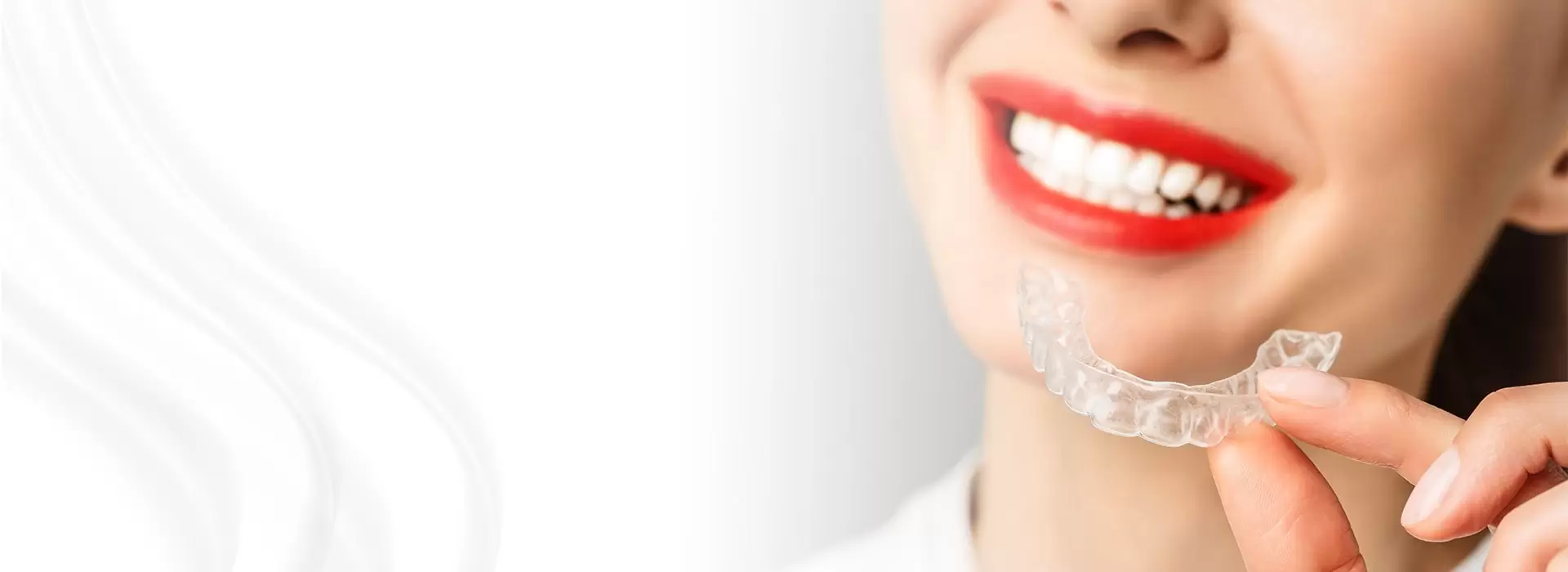
Age alone does not usually prevent implant placement. The more important considerations are jaw development, overall health, medication use, bone condition, oral hygiene, and the ability to attend follow-up visits. Bruxism, or persistent teeth grinding, may require a protective night guard to reduce excessive force on the restoration.
What The Treatment Process Involves
The process starts with a consultation, clinical examination, digital scans, and diagnostic imaging. The dentist reviews the condition of the gums, neighboring teeth, bite, and bone. The proposed implant position is planned in relation to the final crown, which helps create a functional and natural-looking result.
If bone augmentation is required, the graft may be performed before implant placement. After the area heals, the implant is inserted into the prepared site. Temporary teeth may be available in selected cases, but immediate loading is only appropriate when the implant has sufficient primary stability and the clinical conditions are suitable.
During healing, the implant bonds with the surrounding bone. The duration depends on the location and complexity of treatment, and a temporary restoration may be used during this stage. Once integration is confirmed, the abutment and permanent crown, bridge, or denture are fitted and adjusted for comfort, chewing, speech, and appearance.
Benefits And Limitations To Consider
Implant-supported teeth can feel more stable than removable dentures and can restore efficient chewing. They also avoid preparing neighboring teeth for support, as may be necessary with some traditional bridges. By replacing the root, an implant provides a way to support the bone at the treatment site and maintain the shape of the gum more effectively.
The treatment involves surgery, healing, and long-term maintenance. Possible complications include infection, poor integration, damage to nearby anatomical structures, gum recession, or inflammation around the implant. These risks are reduced through careful planning, appropriate case selection, sterile surgical protocols, and consistent aftercare.
An implant is not a replacement for natural oral hygiene. Plaque around an implant can cause peri-implant mucositis and, if untreated, peri-implantitis, which may lead to bone loss around the fixture. Routine dental visits allow the team to assess the implant, restoration, gums, and bite before small problems become more serious.
Steps For Protecting Jawbone And Implant Health
- Arrange an evaluation soon after tooth loss or extraction to discuss socket preservation and replacement options.
- Treat gum disease, decay, and active oral infections before implant surgery.
- Share your complete medical history, medications, smoking status, and any history of teeth grinding with the dental team.
- Follow postoperative instructions carefully, including cleaning guidance, diet recommendations, and scheduled reviews.
- Maintain daily brushing and interdental cleaning, with professional implant maintenance at the intervals recommended for your condition.
The sooner missing teeth are assessed, the more options may be available for preserving jaw structure. Even when significant resorption has occurred, modern imaging, grafting techniques, and implant-supported restorations can often create a practical treatment pathway.
TruDent Clinics in Izmir provides consultations for dental implants, bone-related treatment planning, gum health, and complete smile rehabilitation. Contact the clinic to arrange an assessment and receive a personalized plan based on your bone volume, oral health, functional needs, and aesthetic expectations.