Can dental implants replace multiple missing teeth?
Losing several teeth can affect chewing, speech, facial support and confidence. For many adults, dental implants provide a stable way to replace multiple missing teeth, whether the gaps are beside one another or spread across an arch. The most suitable approach depends on bone volume, gum health, general health and the condition of the remaining teeth.
Multiple-tooth replacement does not always require one implant for every missing tooth. An implant-supported bridge can use two or more strategically placed implants to support several artificial teeth. When most or all teeth in an arch need replacement, a fixed full-arch restoration or an implant-retained denture may be considered.
For patients travelling from Australia to Turkey, treatment planning requires extra attention. Someone flying from Sydney, Melbourne, Brisbane, Perth or Adelaide may need to coordinate scans, surgery, healing appointments and the final restoration across more than one visit. A detailed consultation before travelling helps clarify the likely stages, costs and recovery period.
| Replacement option |
Typical use |
Main benefit |
Important consideration |
| Individual implants |
Several separate gaps |
Independent, natural-looking restorations |
May require more surgery and greater bone volume |
| Implant-supported bridge |
Multiple adjacent missing teeth |
Replaces several teeth with fewer implants |
Cleaning beneath the bridge is essential |
| Implant-retained denture |
Many missing teeth with removable preference |
Improved stability compared with a conventional denture |
The denture is removable for cleaning |
| Fixed full-arch restoration |
Most or all teeth in one arch |
A fixed, complete smile |
Requires careful planning and suitable jaw structure |
How implants replace several teeth
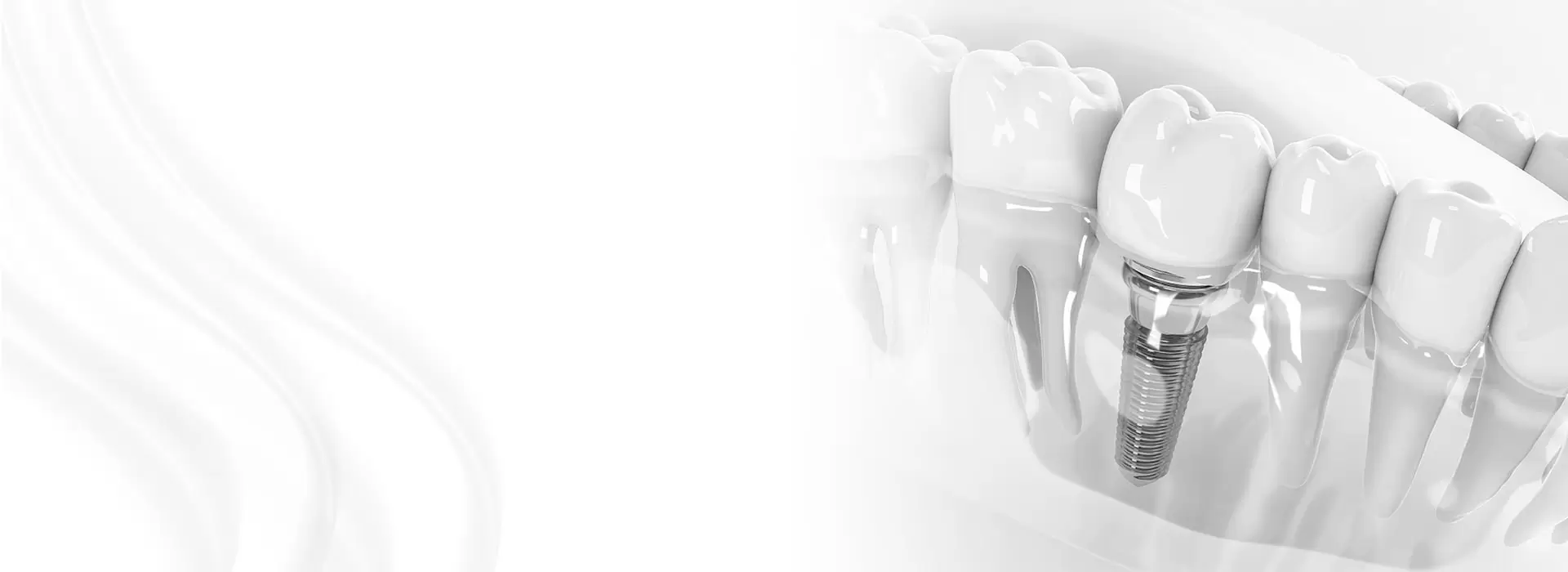
A dental implant is a small titanium or compatible fixture placed in the jawbone. After healing, it can support a crown, bridge or denture. The implant itself replaces the tooth root, while the visible restoration replaces the crown portion. This structure helps distribute biting forces and can provide a more secure result than a traditional removable denture.
If three neighbouring teeth are missing, a dentist may place two implants and attach a three-unit bridge. The middle artificial tooth is supported by the bridge rather than by a separate implant. This can reduce the number of surgical sites while preserving a natural appearance and practical chewing function.
Separate implants may be preferable where gaps are widely spaced, the remaining teeth need to be preserved independently or the patient wants individual crowns. In cases involving extensive tooth loss, an implant-supported overdenture or fixed full-arch restoration may offer a more efficient solution than replacing every tooth separately.
Selecting the right restoration
An implant-supported bridge is often suitable for adjacent missing teeth. It can be fixed in place and shaped to match the colour, proportions and contours of the surrounding teeth. The dentist must assess the bite carefully, since excessive pressure on the bridge or implants may affect long-term stability.
An implant-retained denture is removable but attaches to implants for improved grip. This option may suit patients who have lost many teeth or who prefer to remove the prosthesis for daily cleaning. It can reduce movement during eating and speaking, although the design still requires regular maintenance.
A fixed full-arch solution may be discussed when an entire upper or lower arch has severely damaged or missing teeth. Several implants support a connected prosthesis, creating a fixed smile restoration. This approach is different from placing one implant for every missing tooth and can sometimes provide a practical solution for people with extensive tooth loss.
What determines your suitability
A comprehensive assessment is needed before treatment. This normally includes a clinical examination, dental photographs, digital scans and three-dimensional imaging such as a CBCT scan. The scan shows the height and width of the jawbone, the position of nerves and sinuses, and the areas available for implant placement.
Gum disease must be treated before implant surgery because active infection can undermine the supporting tissues. Smoking, uncontrolled diabetes, some medications and certain medical conditions may also affect healing. These factors do not automatically rule out implants, but they may require medical coordination, changes in habits or a different treatment sequence.
Bone grafting or a sinus lift may be recommended when there is insufficient bone in the planned implant area. Such procedures can add healing time and cost. A dentist should explain whether grafting is essential, whether an alternative position is available and how each option may influence the final result.
Age alone is rarely the deciding factor. A healthy older adult may be a good candidate, while a younger person with untreated gum disease may need preparatory treatment first. The final decision should be based on oral health, medical history, expectations and the ability to maintain excellent cleaning habits.
Treatment stages and travel planning
Treatment usually begins with a consultation and diagnostic records. Depending on the case, implants may be placed after tooth extraction or after a period of healing. Some patients receive temporary teeth during the healing phase, while others use a removable temporary appliance. The final bridge, crowns or denture is fitted after the implants have integrated with the bone.
The overall process may take several months, especially when bone grafting, gum treatment or staged extractions are required. Immediate-load treatment may be possible in selected cases, but it is not appropriate for everyone. A fast temporary smile should not be confused with complete biological healing.
Australian patients considering treatment in Izmir should ask how many visits are needed and how long each visit should last. Direct flights and connections vary from city to city, and a patient travelling from Perth may need a different schedule from someone departing Melbourne. Allowing time for follow-up is important if swelling, discomfort or an adjustment occurs after surgery.
After returning to Australia, patients may need a local dentist for checks, hygiene appointments or urgent care. Private health insurance extras commonly have annual limits and waiting periods, while Medicare generally does not cover routine adult dental implant treatment. Patients should confirm benefits directly with their insurer rather than assuming overseas treatment or future maintenance will be reimbursed.
Practical points to discuss before treatment
A successful result depends on careful planning before the procedure and consistent maintenance afterwards. The clinic should provide a written treatment plan that separates implant surgery, temporary teeth, final restorations, scans, medications and any additional procedures. It should also explain what happens if healing takes longer than expected.
Before committing to treatment, discuss these points with the dental team:
- Whether an implant-supported bridge, individual crowns, overdenture or fixed full-arch restoration is most appropriate
- The number and position of implants required, including the reason for that design
- Whether gum treatment, extraction, bone grafting or a sinus lift is needed
- The expected number of appointments and the estimated healing period
- The material, warranty terms and maintenance requirements for the final teeth
- How follow-up care will be managed after returning to Australia
- The full price in Australian dollars where possible, including scans, temporary teeth and adjustments
Implants are designed to be durable, but they are not maintenance-free. Daily brushing, interdental brushes, floss designed for implants or a water flosser may be recommended. Professional cleaning and periodic examinations help identify inflammation, loosened components, bite changes or wear before they become more serious.
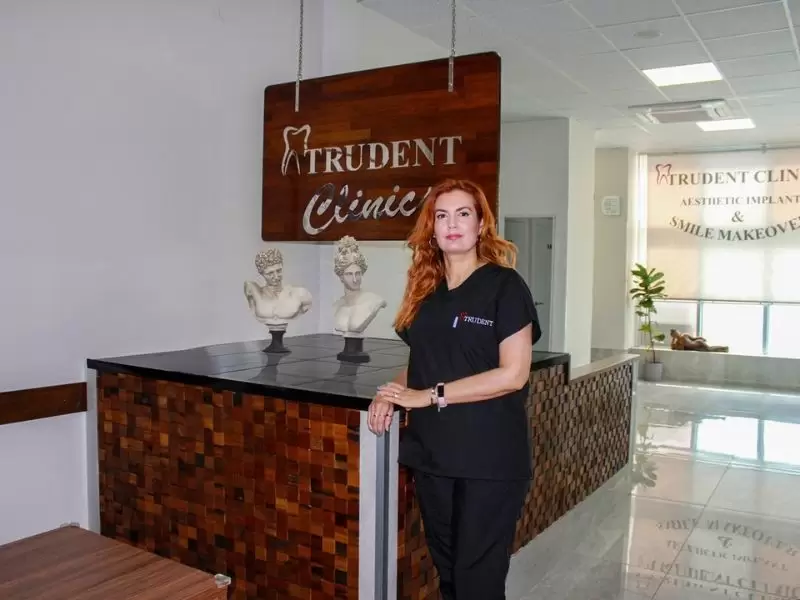
TruDent Clinics in Izmir can assess multiple missing teeth and create a personalised plan based on the condition of the jaw, gums and remaining teeth. During a consultation, patients can review suitable implant systems, restoration choices, treatment timing and travel arrangements before deciding whether to proceed.
If missing teeth are affecting your eating, speech or confidence, arrange a consultation with TruDent Clinics to discuss your scans, replacement options and a treatment plan tailored to your needs.