Can Teeth Whitening Damage Existing Dental Work?
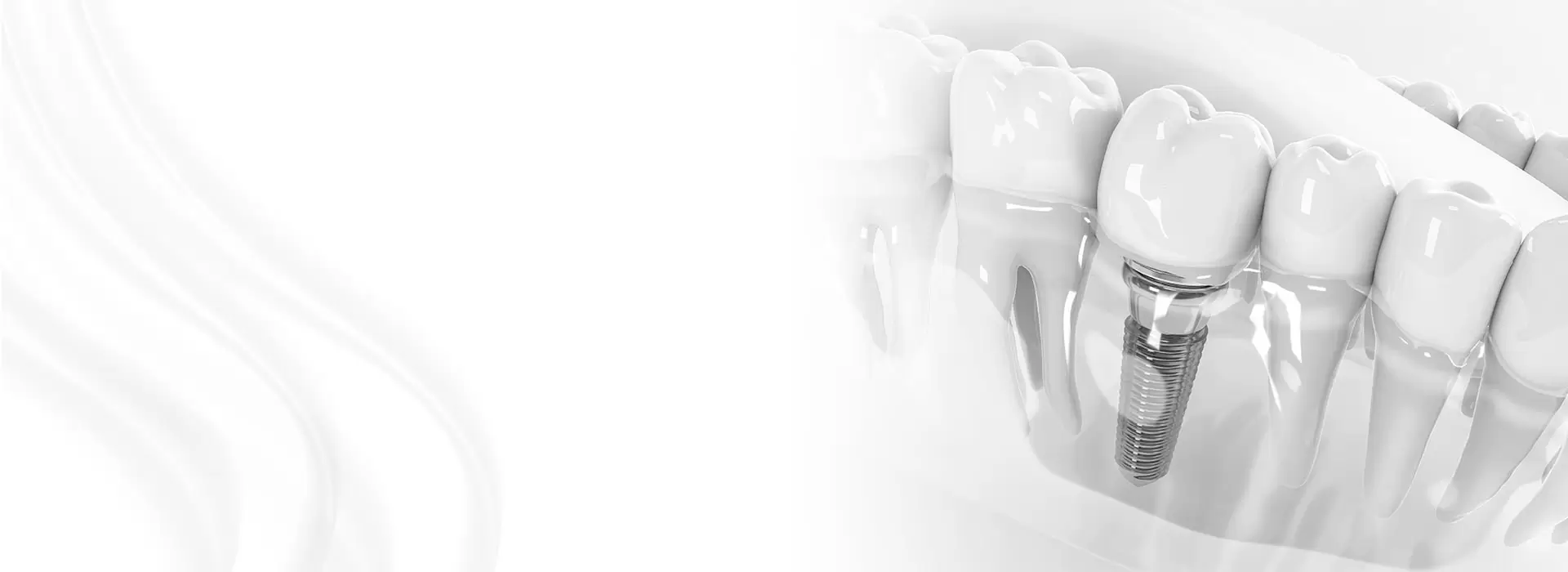
Professional teeth whitening is generally safe for healthy natural teeth, but it does not brighten every material used in dentistry. This distinction matters if you have veneers, crowns, bridges, fillings, bonding, dental implants or an implant-supported restoration. The whitening gel changes the colour of natural enamel, while most restorations keep their original shade.
For Australian patients considering treatment in Izmir, Turkey, a dental assessment should come before booking a whitening session. A dentist can identify visible restorations, check for decay or gum problems, and plan the colour of any future cosmetic work so your smile remains balanced after treatment.
| Existing dental work |
Usually affected by whitening? |
Main consideration |
| Porcelain veneers |
No significant colour change |
Natural teeth beside veneers may become lighter |
| Porcelain or zirconia crowns |
No significant colour change |
Crown shade may need to match future whitening |
| Composite fillings and bonding |
No |
May look darker after nearby teeth brighten |
| Dental implants and implant crowns |
No |
The implant itself is unaffected; the crown’s shade remains stable |
| Temporary restorations |
Usually no meaningful change |
They may be replaced after whitening |
| Natural enamel |
Yes |
May lighten gradually and may develop temporary sensitivity |
How Whitening Interacts With Dental Materials
Bleaching products work mainly through peroxide compounds that penetrate natural tooth structure and break down stain molecules. This process can reduce discolouration caused by coffee, tea, red wine, tobacco and deeply pigmented foods. Dental porcelain, ceramic, zirconia and most cured composite materials do not respond in the same way.
This does not mean existing dental work is automatically at risk. A professionally controlled treatment is unlikely to damage a sound porcelain crown or veneer. The greater concern is a mismatch in colour. If natural teeth become several shades lighter while a restoration stays unchanged, the crown, filling or veneer may become more noticeable.
Older restorations can have additional issues. A filling may have a rough margin, a veneer may be chipped, or a crown may no longer seal perfectly at the gumline. Whitening will not repair these defects, and placing peroxide around inflamed gums or exposed tooth structure can increase discomfort.
Veneers, Crowns And Fillings
Porcelain veneers are resistant to ordinary whitening agents because their colour is built into the ceramic. The same principle applies to porcelain-fused-to-metal crowns and zirconia crowns. If these restorations already match your teeth, bleaching may make the natural enamel around them appear brighter while the restorations look slightly yellow by comparison.
Composite resin fillings and cosmetic bonding are also generally resistant to colour change during whitening. However, resin can stain over time from espresso, black tea, curry, wine and smoking. Whitening the surrounding tooth does not lighten the resin itself. In some cases, polishing or replacing visible bonding is a better way to achieve an even result.
The timing of treatment matters. If you need a new crown, veneer or bonding, dentists commonly whiten natural teeth first, allow the shade to settle, and then select the restoration colour. Teeth can continue to rehydrate and change subtly after bleaching, so immediate shade matching may be less predictable.
When Whitening Can Cause Problems
The main short-term side effects are tooth sensitivity and gum irritation. These are more likely when a person uses a strong product too frequently, leaves trays in for longer than directed, or starts with enamel wear, gum recession, cracks or untreated cavities. A dentist may recommend a lower concentration, shorter sessions or a desensitising product.
Whitening cannot remove decay, calculus or intrinsic defects such as fluorosis. It may also draw attention to white spots or uneven enamel. A check-up and professional clean can reveal whether staining is on the surface or whether another treatment, such as veneers, bonding or a crown, is more appropriate.
Australian patients should also be careful with products purchased online or brought home from overseas. In Australia, stronger peroxide preparations are subject to restrictions under the Poisons Standard, and professional dental supply is governed differently from ordinary cosmetic retail. Look for treatment delivered or supervised by a registered dental practitioner rather than relying on unverified kits advertised on social media.
Dental advertising and professional conduct are also regulated in Australia through the Australian Health Practitioner Regulation Agency and the Dental Board of Australia. A clinic serving international patients should explain the ingredients, risks, alternatives and follow-up arrangements clearly, without promising an identical result for every smile.
Choosing Whitening Before Or After Treatment
When the main goal is a brighter smile, whitening is often completed before visible restorations are made. This allows the dentist to match new veneers, crowns or bonding to the selected final shade. It can be especially useful when only a few teeth are being restored and the adjacent teeth will remain natural.
If you already have extensive dental work, the plan may be different. A patient with upper front veneers and natural lower teeth might benefit from whitening only the lower arch, or from replacing selected restorations instead of bleaching. Someone with an implant crown in a visible position may need a broader smile design so the stable crown shade does not stand out.
Travel from cities such as Sydney, Melbourne, Brisbane or Perth to Izmir also deserves practical planning. Avoid scheduling major cosmetic work immediately before a long flight, especially if you are prone to sensitivity or need an adjustment. Ask how follow-up care will work after returning to Australia, and keep copies of treatment records, radiographs and restoration details for your local dentist.
Checks Before And After Whitening
Before treatment:
- List every crown, veneer, filling, bridge and implant restoration
- Tell the dentist about sensitivity, gum recession or recent dental pain
- Ask whether whitening should happen before planned cosmetic treatment
- Confirm the peroxide strength, treatment time and aftercare instructions
After treatment:
- Use the recommended desensitising toothpaste if sensitivity develops
- Limit coffee, tea, red wine and strongly coloured foods for the advised period
- Do not repeat whitening sessions sooner than directed
- Arrange a review if pain, gum burning or uneven colour persists
Keeping Natural Teeth And Restorations Looking Consistent
Daily habits have a major effect on the longevity of a whitening result. Many Australians regularly drink flat whites, long blacks or tea during workdays, and these drinks can gradually restain natural enamel. Rinsing with water after coffee, waiting before brushing acidic drinks away, and maintaining regular professional cleans can help reduce new staining.
Smoking and vaping can also darken teeth and restoration margins. Good brushing with a soft toothbrush, interdental cleaning and a low-abrasion toothpaste are useful, but aggressive scrubbing can worsen gum recession and expose darker root surfaces. Your dentist or hygienist can recommend a routine suited to crowns, veneers, bridges or implants.
Whitening is not permanent. Natural teeth may gradually darken again, while restorations stay close to their original shade. Maintenance should therefore be planned conservatively. A dentist may suggest occasional top-up whitening for natural enamel, polishing for surface stains, or replacement of a visible restoration when a colour mismatch becomes unacceptable.
A smile makeover may combine whitening with veneers, crowns, invisible aligners or implant treatment. Aligners can improve tooth position before whitening, while replacing a stained filling can complete the result. The safest approach is a sequence based on your oral health, existing dental materials and the appearance you want to maintain over time.
If you are considering whitening in Izmir and have existing dental work, book a consultation with TruDent Clinics. The dental team can examine your teeth and restorations, explain whether whitening is suitable, and create a personalised plan that accounts for treatment timing, shade matching and follow-up after you return to Australia.