Can Teeth Whitening Damage Your Enamel
A brighter smile is one of the most requested cosmetic dentistry treatments, but many people worry that bleaching products could weaken the hard outer layer of their teeth. The short answer is that professional teeth whitening is generally considered safe for healthy enamel when it is correctly selected, applied, and monitored.
Problems are more likely when whitening is overused, performed on untreated dental disease, or attempted with highly abrasive or acidic home remedies. Understanding how whitening agents work can help you make a safer decision and avoid unnecessary sensitivity.
Enamel does not grow back once it has been lost, so protecting it should remain a priority throughout any cosmetic dental treatment. A dental examination before bleaching helps identify cavities, gum problems, cracks, worn enamel, and restorations that may affect the final result.
How Whitening Agents Affect Enamel
Most professional and over-the-counter whitening systems use hydrogen peroxide or carbamide peroxide. These ingredients move through the enamel and dentin, breaking down the molecules responsible for stains from coffee, tea, tobacco, red wine, and aging. The process changes the color of the stain rather than physically scraping away layers of enamel.
Research and clinical experience indicate that properly controlled peroxide whitening does not significantly reduce enamel hardness in most healthy teeth. The concentration, exposure time, application method, and frequency of treatment all influence how the teeth respond. A dentist can adjust these factors according to your dental condition and desired shade.
Temporary changes in the surface moisture of enamel can make teeth look especially bright immediately after treatment. This effect usually settles as the teeth rehydrate. It is different from permanent enamel erosion, which is caused by the loss of mineral structure through acid exposure, abrasion, or untreated dental disease.
When Bleaching May Become Harmful
Whitening can become damaging when products are used far more often or for much longer than directed. Repeated exposure to strong peroxide may increase sensitivity and irritate the gums. Although sensitivity is usually temporary, persistent discomfort can indicate that treatment has been too aggressive or that another dental problem is present.
Abrasive whitening powders, charcoal products, baking soda mixtures, and rough brushing techniques can wear the surface of teeth over time. Some DIY recipes also contain lemon juice, vinegar, or other acidic ingredients. Acids soften enamel, while abrasive particles remove the softened surface, creating a combination that may contribute to enamel loss and a dull, uneven appearance.
Unregulated products may have inaccurate instructions or unexpectedly high concentrations of active ingredients. Purchasing whitening gel from an unreliable source can increase the risk of chemical burns, gum irritation, uneven results, and sensitivity. A product marketed as “natural” is not automatically gentle or suitable for dental use.
Professional And At-Home Options Compared
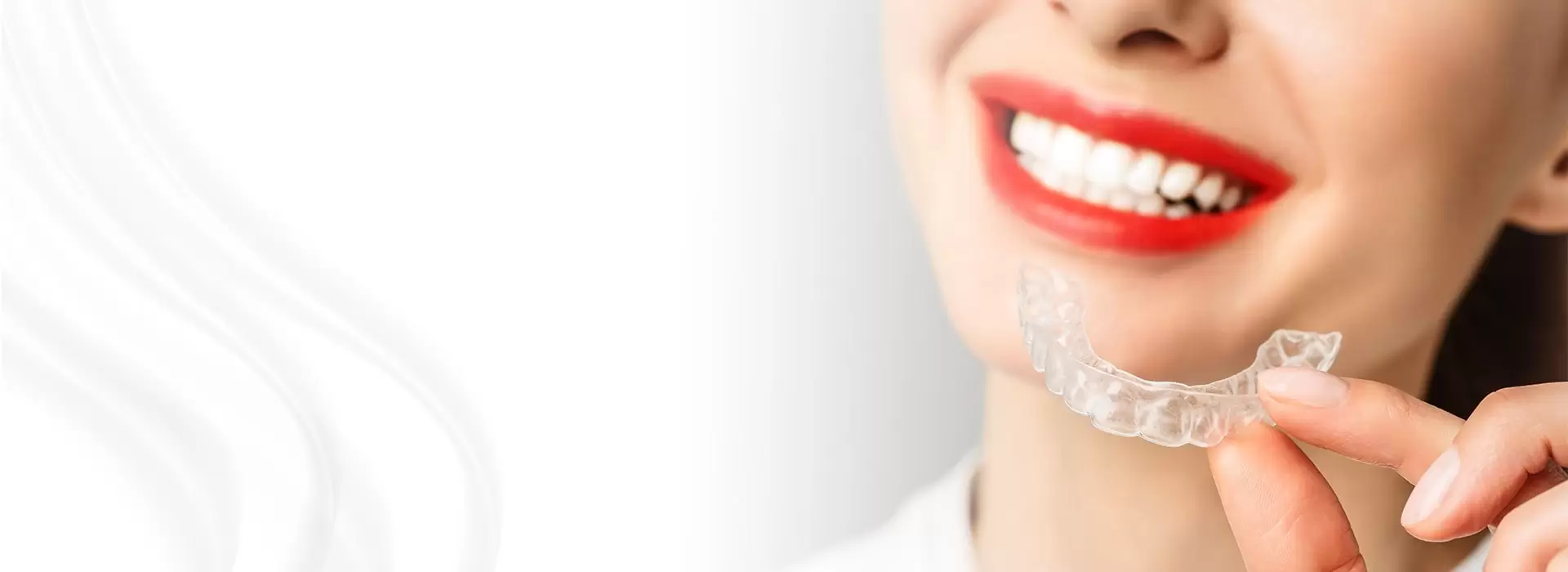
The safest approach depends on your oral health, the cause of discoloration, and how quickly you want to see a change. In-office bleaching usually uses a carefully controlled formula and protective barriers for the gums. Dentist-prescribed trays use a lower concentration over a longer period and can provide a more gradual result.
Over-the-counter strips and whitening toothpastes may be useful for mild surface staining, but their results are often less predictable. Toothpaste mainly removes external stains through mild abrasives; it does not significantly change the natural internal color of a tooth. Whitening products also cannot lighten fillings, crowns, veneers, or implant restorations.
| Whitening option |
Main benefit |
Common limitation |
Enamel and gum considerations |
| In-office whitening |
Fast, supervised shade improvement |
Higher cost and possible short-term sensitivity |
Protective barriers and controlled application reduce irritation |
| Custom home trays |
Gradual, even whitening |
Requires consistent use over several days or weeks |
Dentist-selected gel and fit help limit contact with gums |
| Whitening strips |
Convenient and widely available |
May whiten unevenly or fit poorly |
Incorrect use can irritate gums and increase sensitivity |
| Whitening toothpaste |
Helps remove surface stains |
Limited effect on deeper discoloration |
Excessive brushing or high abrasiveness may contribute to wear |
| DIY acidic or abrasive remedies |
Low initial cost |
Unpredictable and generally ineffective for safe bleaching |
May soften, scratch, or erode enamel |
Understanding Tooth Sensitivity
Sensitivity is the most common side effect of peroxide whitening. It can feel like a brief sharp response to cold air, drinks, or sweet foods. Peroxide may temporarily reach the dentin through microscopic pathways in enamel, stimulating the nerves inside the tooth. This does not necessarily mean the enamel has been permanently harmed.
Sensitivity often improves within one to three days after treatment ends. Using a toothpaste formulated for sensitive teeth, spacing out applications, and avoiding very cold or acidic foods can make the process more comfortable. A dentist may also recommend a desensitizing gel or a lower-strength whitening plan.
Pain that is severe, localized, or present without eating or drinking should not be dismissed as ordinary whitening sensitivity. A cavity, cracked tooth, leaking filling, gum recession, or exposed root may be responsible. Stopping the product and arranging a dental assessment is the safest response when discomfort continues.
Conditions That Should Be Addressed First
Whitening should generally be postponed if you have untreated cavities, gum inflammation, enamel cracks, significant erosion, or exposed dentin. Bleaching a tooth with decay can intensify discomfort and delay necessary care. Healthy gums also reduce the likelihood of irritation from peroxide contacting the soft tissues.
Children and teenagers may need to wait until their teeth and dental development are more mature, depending on individual circumstances. Pregnant or breastfeeding patients should discuss cosmetic whitening with a qualified healthcare professional before proceeding. People with a history of severe sensitivity may require a modified treatment or may be better suited to another cosmetic option.
Discoloration can also have causes that bleaching cannot correct. Gray staining from trauma, tetracycline-related discoloration, fluorosis, and changes inside a tooth may respond poorly to standard whitening. In these cases, veneers, bonding, crowns, or internal bleaching may be considered after an examination.
Choosing A Safe Whitening Plan
A consultation allows the dentist to record your current shade, inspect the enamel, and identify whether the stains are external or internal. It also provides an opportunity to discuss realistic expectations. A naturally bright result should still look consistent with your complexion, facial features, and existing dental work.
Personalized planning matters because a single treatment does not suit every smile. Some patients need a professional cleaning before whitening, while others may benefit from treating gum disease or replacing an old restoration first. If you are comparing providers, reading patient experience can offer useful context, although a review should complement rather than replace a clinical assessment.
The most appropriate treatment may be in-office whitening, custom trays, or a combination of approaches. Dentists can also advise whether sensitivity prevention is needed and how frequently maintenance whitening can be performed without placing unnecessary stress on the enamel.
Habits That Help Protect Your Smile
Good daily care supports whitening results and reduces the temptation to bleach too frequently. Brush twice daily with a soft-bristled toothbrush and fluoride toothpaste, use gentle pressure, and clean between the teeth. Fluoride helps strengthen the mineral surface and can support enamel that has been exposed to everyday acids.
After consuming coffee, wine, citrus, or other staining or acidic foods, rinse with water rather than brushing immediately. Brushing while enamel is temporarily softened may increase surface wear. Waiting around 30 minutes before brushing gives saliva time to neutralize acids and restore some surface hardness.
Keep these precautions in mind when planning cosmetic whitening:
- Have a dental examination before using strong bleaching products.
- Follow the stated application time and never extend treatment to speed up results.
- Stop whitening if you develop intense pain, gum burns, or prolonged sensitivity.
- Avoid lemon juice, vinegar, charcoal powders, and aggressive scrubbing methods.
- Maintain results with professional advice rather than repeated unsupervised courses.
Whitening is most predictable when stains are assessed first and the treatment is matched to the condition of your teeth. A dental professional can help protect existing enamel, manage sensitivity, and explain whether another cosmetic procedure would produce a more balanced result.
If you are considering a brighter smile, schedule a consultation with TruDent Clinics in Izmir for an oral health assessment and personalized whitening plan. A careful evaluation can help you achieve a natural-looking result while keeping enamel and gums at the center of your treatment.