Flying Home After Dental Implants Or Veneers
Travelling to Turkey for dental treatment can make sense for Australian patients who want access to veneers, implants, crowns or a complete smile makeover. The important question is not simply whether you can board a plane, but whether your mouth is stable enough for a long journey and whether you have reliable aftercare once you return to Australia.
The safe timing depends on the procedure, the number of teeth treated, your general health and the type of surgery involved. A veneer appointment may allow you to travel relatively soon, while implant placement, bone grafting or a sinus lift may require several days of observation. Your treating dentist should give you individual clearance before you leave Izmir.
Timing Depends On Treatment
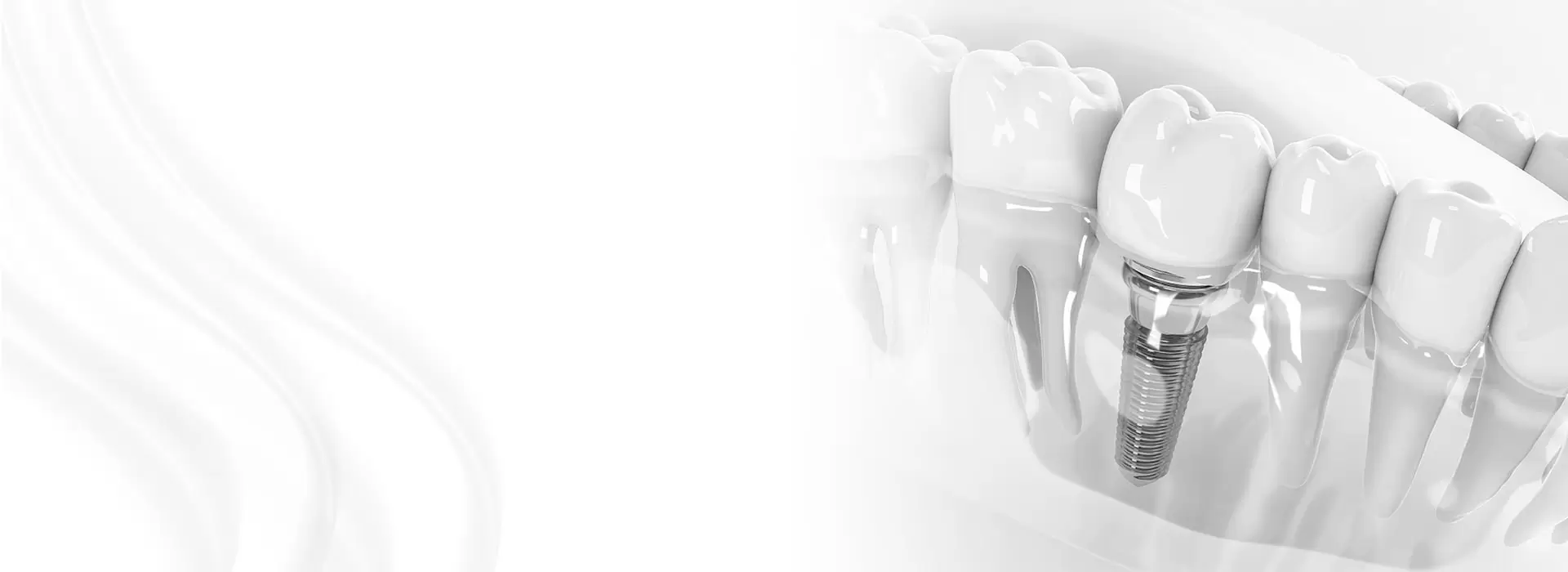
Dental implants involve surgery to the gum and jawbone. Even when the procedure is uncomplicated, bleeding, swelling, bruising and tenderness can develop during the first 24 to 72 hours. Long-haul travel can make this period less comfortable because you may be sitting for many hours, sleeping poorly and finding it difficult to access your dental team.
Veneers are generally less invasive. If the teeth require little or no preparation and the veneers have been permanently bonded, many patients can fly soon afterwards. Temporary veneers, extensive enamel preparation, gum contouring or treatment of several teeth can change the advice. Your dentist may prefer to see you the next morning to check your bite and make sure the cement has fully settled.
| Treatment |
Common travel consideration |
Why a review may be needed |
| Single implant |
Often wait at least 24–72 hours if uncomplicated |
Checks bleeding, swelling and the healing site |
| Multiple implants |
Usually allow several days before a long-haul flight |
More surgical sites can mean greater discomfort |
| Implant with bone graft or sinus lift |
A longer delay may be advised |
Sinus pressure and graft healing need careful monitoring |
| Porcelain veneers |
Often suitable for early travel after final bonding |
Bite, sensitivity and veneer margins should be checked |
| Temporary veneers |
Avoid rushing home where possible |
They can loosen, chip or affect eating and speech |
These are general timeframes rather than a personal medical clearance. A patient who has diabetes, takes blood thinners, smokes or has a history of difficult healing may need a more cautious plan. The same applies if an infection was present before treatment.
What Flying Changes After Implant Surgery
Cabin pressure itself does not normally pull an implant out or stop it integrating with the jaw. The greater concerns are post-operative bleeding, facial swelling, pain, dehydration and the difficulty of receiving urgent care while travelling. If you have had a sinus lift, changes in pressure may be especially uncomfortable, so your surgeon may recommend postponing air travel for longer.
A flight from Izmir to Australia usually involves a connection through Istanbul, Doha, Dubai or another international hub, followed by a long journey to Sydney, Melbourne, Brisbane, Perth or Adelaide. Door-to-door travel can take more than 20 hours. That is a demanding trip after oral surgery, particularly if you need to manage medication, soft food and cold packs.
Moving gently through the airport can support circulation, but vigorous exercise and heavy luggage should be avoided. Keep your head slightly elevated where possible, drink water regularly and do not rely on alcohol or sleeping tablets to get through the flight unless your doctor has specifically approved them.
Why Veneers Usually Need Less Downtime
Veneers are bonded to the front surfaces of teeth, so the procedure usually causes less tissue trauma than implant surgery. Some people experience sensitivity to cold, gum tenderness or an unfamiliar bite for a few days. These symptoms are often manageable with the instructions and medication supplied by the clinic.
Immediate travel still has drawbacks. If a veneer feels high when you bite, your speech sounds unusual or an edge feels sharp, it is much easier to have it adjusted in Izmir before flying home. A veneer that becomes loose during transit may be difficult to repair quickly in Australia, especially if your local dentist did not place it and has not examined the underlying tooth.
Ask whether your veneers are temporary or final, what foods to avoid and how long you should wait before eating normally. Hard Turkish sweets, ice, nuts and very sticky foods can place unnecessary stress on new restorations. A soft meal before the flight is often more comfortable than eating airport snacks immediately after treatment.
A Sensible Travel Timeline
For a straightforward veneer appointment, a short observation period of one day may be enough, provided your dentist has checked the bite and confirmed that the bonding is secure. If you have had gum reshaping, extensive preparation or several restorations, allowing two or three days gives the clinic time to address sensitivity or bite problems.
For a single implant, many dental teams recommend staying locally for at least two or three days. Multiple implants may call for a longer stay, and procedures involving bone augmentation or a sinus lift can require a week or more before a long-haul flight. The final decision should come from the surgeon who performed the procedure, not from a generic travel schedule.
Build extra time into your trip rather than booking a flight on the same day as treatment. A spare day or two can protect you from a missed flight if bleeding continues, swelling increases or the dentist wants to repeat an X-ray. It also gives you time to collect written records, prescriptions and instructions for your Australian dentist.
Prepare For The Flight And First Night
Before leaving the clinic, ask for a treatment summary stating the teeth treated, implant brand and model, materials used, medications prescribed and any future appointments required. These details help an Australian practitioner continue your care. Keep the documents in your hand luggage rather than checked baggage.
You should also confirm how to contact the clinic outside business hours. An emergency number, a clear explanation of normal swelling and instructions for dealing with bleeding can reduce anxiety during a long journey. If you develop uncontrolled bleeding, rapidly increasing swelling, fever, difficulty breathing or difficulty swallowing, seek urgent medical care rather than waiting until you reach home.
Pack medication in its original packaging and carry the prescription or doctor’s letter. Australian border rules apply to medicines brought into the country, and some prescription pain medicines have additional restrictions. Check current guidance from the Australian Border Force and the Therapeutic Goods Administration before departure, especially if you have been given antibiotics or strong analgesics.
Practical Checks For Australian Patients
Australian patients should plan for the realities of follow-up care before booking treatment overseas. Adult dental treatment is generally not covered by Medicare, and private health insurance may exclude overseas procedures, impose waiting periods or limit benefits for major dental work. Ask your insurer for written information rather than assuming your usual extras policy will apply.
A local dentist in Perth, Melbourne or Sydney may be willing to assess healing or manage a complication, but they may not accept responsibility for correcting overseas work without a new consultation and fee. Australian dental practitioners must be registered through the Australian Health Practitioner Regulation Agency and the Dental Board of Australia, so confirm that any clinician you see at home is appropriately registered.
Useful checks before departure:
- Confirm your post-treatment review date with the overseas clinic.
- Obtain implant, veneer and medication records in English.
- Arrange a local dentist for an independent follow-up if needed.
- Check private insurance exclusions and waiting periods.
Simple habits can also make the journey easier. Australians often spend long periods commuting, working at a desk or driving after returning home, so plan a quiet first day rather than scheduling meetings or a long road trip. Avoid smoking, strenuous gym sessions and chewing hard foods while the tissues are tender.
During the flight and after landing:
- Carry water, prescribed medicine and gauze in hand luggage.
- Choose soft foods that require little chewing.
- Walk gently during the journey when your clinician permits it.
- Contact a dentist promptly if pain, swelling or fever worsens.
Arrange Clearance And Follow-Up
Before selecting flights, discuss the complete itinerary with your implant surgeon or cosmetic dentist. Ask specifically when you may fly, whether your procedure included a sinus lift or graft, what symptoms are expected and where to go if something changes after hours. A clinic offering personalised dental care in Izmir should be able to explain the proposed treatment sequence and the recommended recovery period.
A remote pre-travel consultation with an Australian dentist can also be useful, particularly if you have complex medical conditions or extensive restorative work planned. Keep in mind that implants usually need months to integrate before the final crown is fitted, so flying home after placement does not mean treatment is finished. You will need a planned second stage, either with the original clinic or a suitably qualified practitioner.
Book your flight only after receiving written post-operative guidance and a clear review schedule. Choosing a safe recovery window, carrying complete records and arranging follow-up care can make the journey home after implants or veneers far more comfortable and predictable.