Whitening your teeth when you already have restorations
Many Australians dream of a brighter smile but worry about what happens when their teeth already contain fillings, crowns, or veneers. The honest answer is that whitening treatments work brilliantly on natural enamel yet have little to no effect on the materials used for existing dental restorations. This leaves many people wondering whether it is worth bleaching at all, especially when a single mismatched crown can suddenly look more noticeable after the surrounding teeth lighten. Understanding how bleaching gels interact with different surfaces helps you make an informed choice before booking a session.
Australians spend billions on dental care every year, and most of it comes out of pocket because adult dental work is generally not covered by Medicare. With the cost of a single crown often stretching into the thousands in Sydney or Melbourne clinics, many patients look overseas for affordable options. Teeth whitening, however, is a different conversation. Whether you stay in Brisbane or fly out to Turkey for treatment, the same biological rules apply. Your restorations will not bleach, but a well-planned approach can still leave your smile looking noticeably brighter and more uniform.
How peroxide whitening interacts with natural enamel
Most professional whitening treatments rely on hydrogen peroxide or carbamide peroxide. These chemicals penetrate the microscopic pores of natural tooth enamel and break down the organic compounds that cause discolouration. Coffee, tea, red wine, and the inevitable flat white from your local café leave pigment molecules lodged deep in the enamel, and peroxide oxidises them so they appear lighter. The process is safe when supervised, with the active ingredient typically working over thirty to ninety minutes in a single visit or across several nights of at-home use.
The shade change happens gradually. Teeth can lighten by several shades over a course of treatment, and the final result depends on the original colour, the concentration of gel used, and how long the product stays in contact with the enamel. Yellow and brown stains respond well, while grey discolouration caused by tetracycline medication or trauma is harder to shift. Knowing this baseline helps set realistic expectations before committing to any session.
Why restorations resist bleaching
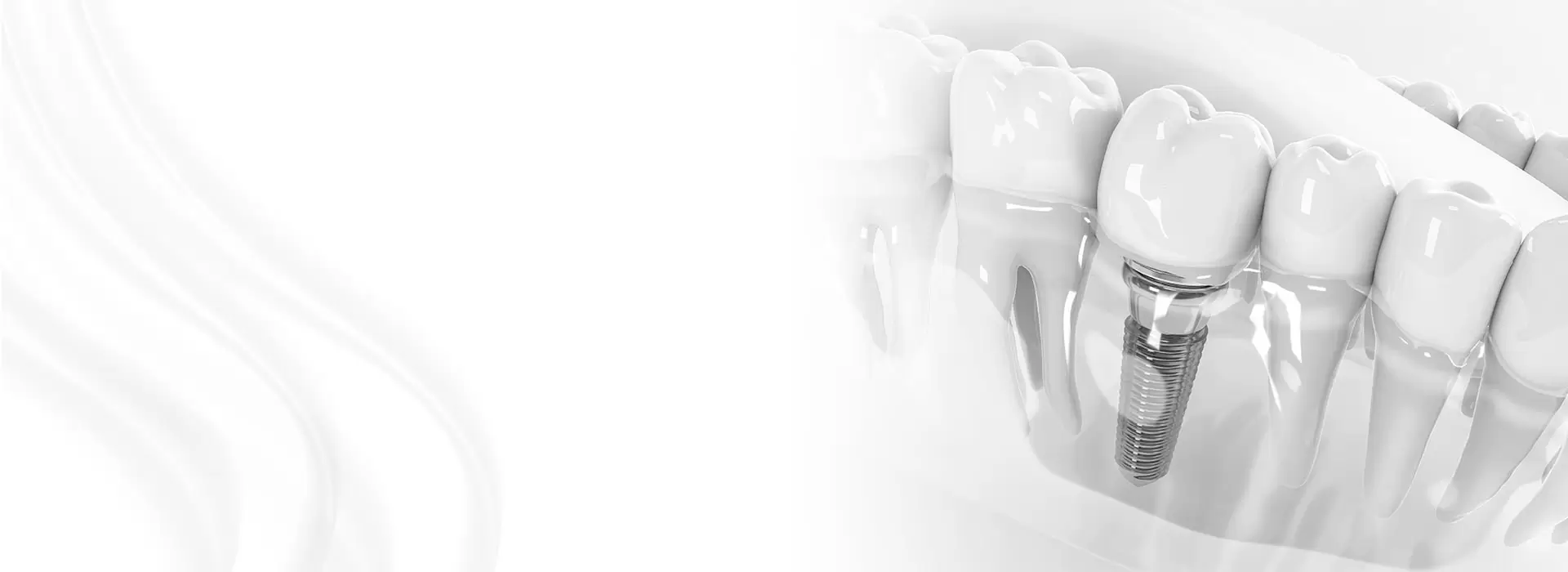
Restorative materials such as composite resin, porcelain, and zirconia do not have the same porous structure as enamel. The peroxide cannot seep into them, which is why a filling or crown will keep its original shade regardless of how many whitening sessions you complete. This single difference is the source of most confusion for patients hoping for a perfectly uniform result.
Some patients believe that repeated bleaching will eventually lift the colour of their old crowns, but this does not happen. What can occur is a change in surface gloss if acidic gels are used improperly, which is why professional supervision matters. Dentists can polish ceramic surfaces to remove superficial stains, which is different from true bleaching. The distinction between cleaning and whitening is important when discussing outcomes with your practitioner.
Common restorations and their behaviour during whitening
Different materials respond differently to whitening, and knowing what sits in your mouth is what determines the result. Porcelain veneers and ceramic crowns stay exactly the same colour throughout their lifetime. Composite bonding and white fillings may pick up slight surface stains over the years, but peroxide cannot shift their base colour. Metal restorations, including amalgam fillings and gold inlays, obviously cannot be bleached at all.
Patients who have had trauma treatment often have a mix of these materials, sometimes placed years apart by different practitioners. When a tooth darkens internally after a root canal, internal bleaching performed from inside the tooth can lighten the dentine, but this still only affects natural tooth structure.
| Restoration type |
Bleaches with peroxide? |
Typical reason it was placed |
What to do if shade no longer matches |
| Porcelain crown |
No |
Large decay, root canal, fracture |
Replace crown after whitening stabilises |
| Composite filling |
No (surface stains only) |
Small to moderate decay |
Polish or replace filling |
| Porcelain veneer |
No |
Cosmetic reshaping, chips, gaps |
Replace veneer after whitening |
| Zirconia crown |
No |
Back teeth, strength needed |
Replace crown after whitening |
| Metal filling |
No |
Decay in back teeth |
Leave or replace with composite |
Risks and limitations when bleaching around existing work
The biggest risk of whitening when you have restorations is not damage to the restorations themselves. Modern ceramics are highly stable and are not harmed by peroxide gels. The real issue is uneven shade. When your natural teeth lighten by several shades, a crown that once blended in can suddenly look darker or yellower by comparison. Some patients in Adelaide and Perth have reported this exact problem after using over-the-counter whitening strips bought online.
There is also a small risk of temporary sensitivity, particularly if you have exposed root surfaces or micro-leakage around an old filling. Peroxide can travel through these tiny gaps and irritate the nerve. People with gum recession, which is common in middle-aged patients who enjoyed a few too many sports drinks in their twenties, need to be especially cautious. A thorough check-up with a dentist before any whitening treatment reduces these risks considerably. Anyone considering whitening should also be wary of products sold without professional guidance, as misuse can damage enamel over time.
Professional and at-home options for patients in Australia
If you have a mix of natural teeth and restorations, professional assessment makes a real difference. Dentists can isolate the restorations before bleaching, use higher concentration gels safely, and predict how many shades lighter your natural teeth will go. They can also advise whether replacing a crown or veneer after whitening is the best way to achieve a perfectly matched smile. This often happens within two weeks of completing bleaching, once the final shade has stabilised.
When treatment is planned by experienced clinicians, the process becomes far more predictable. For those considering comprehensive care, working with a practitioner who has academic credibility adds peace of mind. Assoc. Emre Aytugar, Advisor & Faculty Member brings both clinical experience and a teaching background to complex cosmetic cases. Take-home kits supplied by a dentist are generally safer than supermarket strips because the trays are custom-fitted, which prevents gel from leaking onto gums and keeps the concentration even across each tooth.
Australians considering whitening should also check the credentials of any practitioner they visit. The Australian Health Practitioner Regulation Agency (AHPRA) maintains a public register, and the Australian Dental Association provides guidance on what questions to ask. If a clinic offers whitening for under a hundred dollars with no prior examination, that is often a fair dinkum warning sign that corners are being cut.
Long-term maintenance for a consistent smile shade
Once your natural teeth have reached the shade you want, keeping them that way requires the usual maintenance. Limit coffee, tea, and red wine, rinse with water after eating staining meals, and top up with your custom trays every few months. Restorations may need polishing to remove any new surface stains, and you may eventually decide to replace older crowns so they match your newly brightened natural teeth.
Smoking is the single biggest cause of uneven yellowing, and giving up will do more for shade stability than any maintenance product. Regular six-monthly cleans with a hygienist also help. Many Australian patients find that the cost of prevention is far less than the cost of replacing restorations later, especially since private health insurance often only covers a small portion of restorative work. A consistent shade across your smile is achievable with the right combination of bleaching, good habits, and selective replacement of visible restorations.
Practical recommendations for patients with existing dental work
Planning ahead saves both time and money when whitening teeth that contain restorations. The first step is a comprehensive dental examination that identifies every filling, crown, or veneer in your mouth, followed by a clear conversation with your dentist about which teeth will respond to bleaching and which will not. Patients who take this approach typically achieve more satisfying results than those who simply grab a kit off the shelf.
Here are practical steps to follow before, during, and after your whitening course.
- Book a full dental examination before any whitening to identify every existing restoration in your mouth.
- Ask your dentist to map which teeth have crowns, veneers, or fillings so you know what will and will not change colour.
- Photograph your teeth in natural daylight before treatment so you have an objective baseline to compare against.
- Allow at least two weeks after whitening before having any new crowns or veneers made so the final colour can stabilise.
- Avoid over-the-counter whitening strips if you have gum recession or sensitive teeth, as these can worsen discomfort.
- Consider replacing visible restorations after bleaching if they no longer match your new shade.
- Use a straw for tea, coffee, and soft drinks to limit new staining on your front teeth.
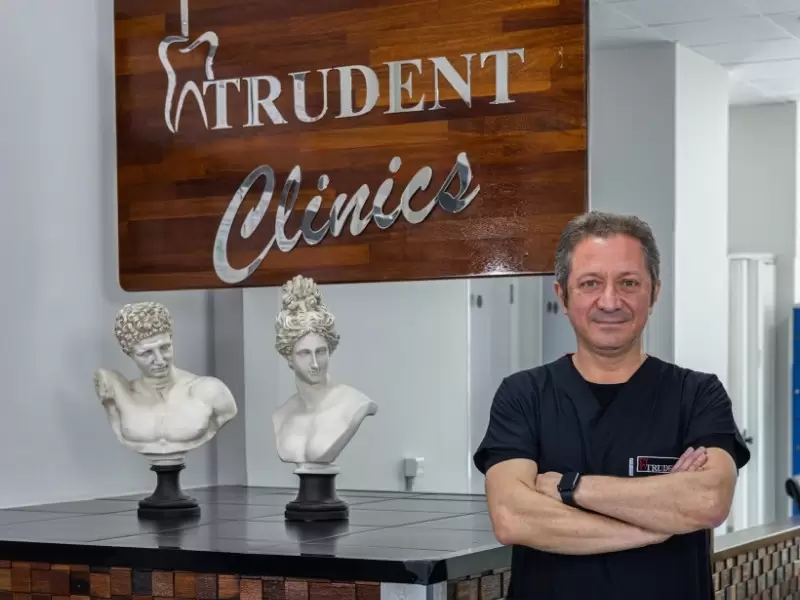
If you are weighing up whether bleaching is worth it given the restorations in your mouth, the best next step is a personalised consultation. The team at TruDent Clinics in Izmir can review your existing dental work, talk you through realistic outcomes, and design a plan that suits both your smile goals and your budget. Reach out today to schedule your appointment and start the journey towards a brighter, more confident smile.