Dental Implants and Diabetes: Guidance for Australian Patients
Diabetes affects a significant number of Australian adults, with the Australian Bureau of Statistics reporting that roughly one in twenty people lives with some form of the condition. Tooth loss is common too, particularly among those over 55, and the two issues overlap more often than many people realise. When a missing tooth makes eating or speaking harder, dental implants often come up as the most stable replacement option.
Many Australians with diabetes wonder whether their condition automatically rules out implant treatment. The reassuring reality is that well-managed diabetes is not a barrier in most cases, although it does mean the surgical and recovery process needs extra care. The decision comes down to blood-sugar control, general health, oral hygiene habits and the skill of the treating team.
Patients in Sydney, Melbourne, Brisbane and regional centres often compare local implant costs with quotes from clinics abroad. Turkey has emerged as a popular destination for dental tourism, and TruDent Clinics in Izmir regularly welcomes Australian patients who want a full smile restoration at a lower price point. The choice between local care and overseas treatment is rarely just about money, since medical history, follow-up arrangements and warranty terms all play a role.
This article explains how diabetes interacts with implant treatment, what needs to happen before surgery, what changes during the procedure itself, and how to plan for a smooth recovery. It also covers the financial side from an Australian perspective, including Medicare limits, private health insurance extras and the practicalities of travelling for treatment.
Why Diabetes Affects Oral Health
Diabetes changes the way the body fights infection and repairs tissue, and the mouth is one of the first places those changes show up. People with consistently high blood sugar tend to produce less saliva, leading to dry mouth. Less saliva means more bacteria, more plaque build-up and a greater risk of gum inflammation. Over time, advanced gum disease is a leading cause of tooth loss in Australian adults, second only to decay.
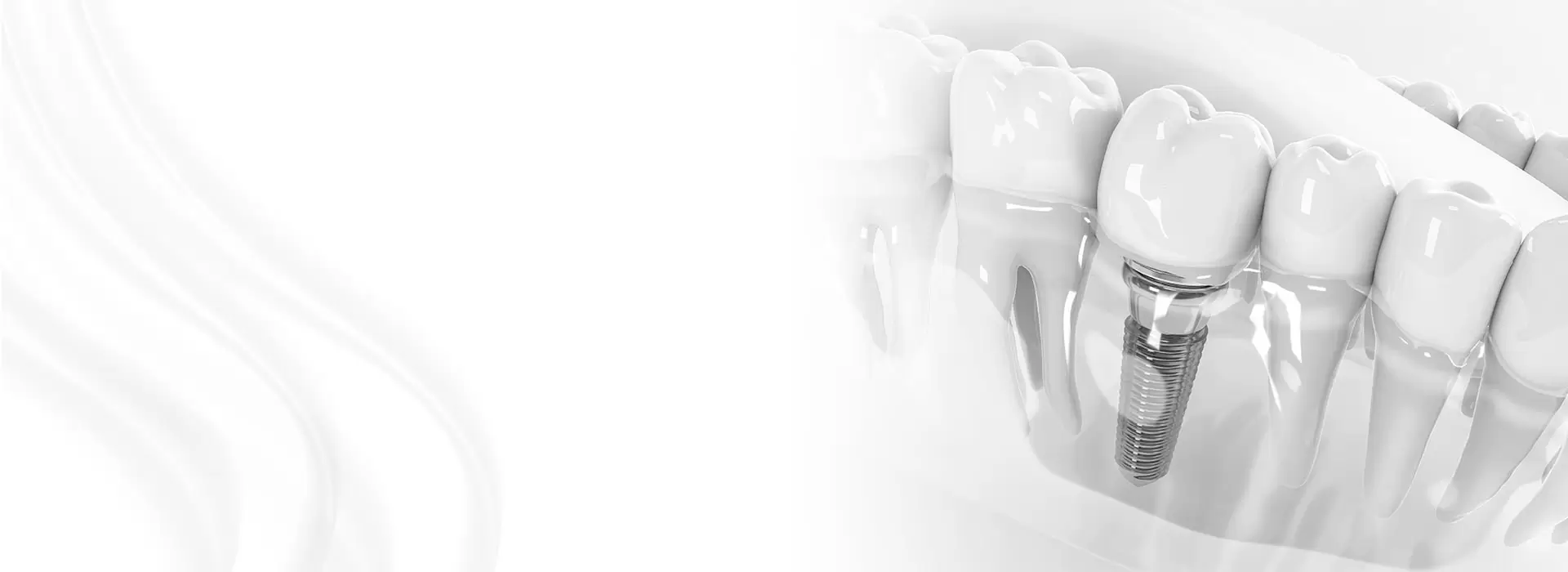
Poorly controlled blood glucose also slows down bone healing, which matters because a dental implant is essentially a titanium post that fuses with the jawbone. If the bone around the implant heals slowly or unpredictably, the chance of long-term success drops. Australian research published through the Australian Dental Association shows that patients with uncontrolled diabetes experience higher implant failure rates than non-diabetic patients.
The good news is that control changes the picture. Studies from Australian and international universities indicate that patients whose HbA1c sits at or below roughly seven per cent have implant success rates similar to non-diabetic patients. That is why dentists and specialists pay close attention to recent blood test results before approving any implant work.
Qualifying for Implants with Diabetes
The starting point is always a current HbA1c reading, which provides a three-month picture of average blood glucose. Most Australian implant providers, including maxillofacial surgeons in capital cities, want to see a recent result from the patient's GP or endocrinologist. The closer the reading is to the non-diabetic range, the smoother the path to surgery.
Patients enrolled in the National Diabetes Services Scheme can request help with monitoring supplies and use their GP to coordinate a pre-surgical review. A standard GP Management Plan can include referrals for dental work when the oral health issue is directly linked to the chronic condition, which can reduce some out-of-pocket costs. Bringing a clear medical summary, medication list and recent blood tests to the first implant consultation saves time.
Lifestyle factors are part of the assessment. Smoking, heavy alcohol consumption and untreated periodontitis all reduce the chance of implant success and are weighed alongside the diabetes status. Australians who smoke are encouraged to quit at least several weeks before surgery, and many clinics now offer dedicated smoking cessation support as part of the treatment plan.
How the Procedure Is Adjusted
Once a patient is cleared for surgery, the implant placement is very similar to what non-diabetic patients experience. The key adjustments happen in the background: antibiotic cover may be prescribed for longer, suture materials may stay in place for a slightly extended period, and the surgeon may schedule shorter, more frequent visits rather than longer appointments.
Australian implant surgeons sometimes work alongside a patient's endocrinologist or diabetes educator, particularly for patients on insulin. The aim is to keep blood glucose stable around the day of surgery, since both extremes can interfere with healing. For people on metformin or other oral medications, the surgical team usually confirms dosing times so the morning of the procedure is straightforward.
The surgical timeline may also be staged differently. Instead of placing several implants and loading them with crowns immediately, the dentist might opt for a longer waiting period between placement and restoration, giving the bone more time to integrate. Patients travelling to clinics such as TruDent Clinics in Izmir should expect this staged approach to be explained during the initial online assessment, with X-rays and scans reviewed before any flight is booked.
Recovery and Long-Term Maintenance
Healing after implant surgery typically takes between three and six months for the bone to fuse fully with the post. For patients with diabetes, that window can stretch a little longer, particularly if blood sugar has fluctuated during recovery. Daily cleaning around the implant, gentle rinsing with a chlorhexidine mouthwash in the first week, and a soft-food diet during the early phase are all part of the standard plan.
Long-term success depends heavily on plaque control. Australians with diabetes benefit from regular hygienist visits every six months, and many private health funds cover part of the cost through extras cover. Avoiding sugary snacks between meals, drinking plenty of water instead of frequent tea or coffee, and stopping smoking support the implant and the rest of the teeth at the same time.
Follow-up imaging is usually scheduled at three months, six months and twelve months, then annually. For patients whose implants were placed overseas, follow-up can be arranged with a local Australian dentist willing to monitor the case using records from the treating clinic. TruDent Clinics supplies full documentation so Australian dentists can take over ongoing care without guesswork.
Costs, Insurance and the Overseas Option
Dental implant treatment in Australia typically ranges from around $3,000 to $6,500 per implant when all components are included, which puts it out of reach for many patients without insurance. Medicare generally does not cover implant work, although it does cover some dental procedures that are part of broader medical treatment, such as reconstructive surgery after trauma. Private health insurance extras can reimburse a portion of the cost, but waiting periods and annual limits apply.
Overseas treatment has become an established option for Australians comfortable with travelling. TruDent Clinics in Izmir offers implant packages that, even with flights from Sydney or Perth and a week of accommodation, often come in below the Australian price for a single implant. The clinic coordinates airport transfers, hotel stays and translator support, and the surgical team uses materials that meet Turkish Ministry of Health standards and align with the requirements of the Australian Therapeutic Goods Administration.
The decision between local and overseas care is personal. Patients who value close follow-up, continuity with their existing dentist and easier access to warranty repairs may prefer Australia. Those who want a full smile makeover involving multiple implants, or who face long waiting lists, often find the overseas route more practical. Both paths are legitimate, provided the diabetes is well controlled and aftercare is taken seriously.
| Consideration |
Treatment in Australia |
Treatment at TruDent Clinics, Izmir |
| Average cost per implant |
$3,000 to $6,500 including crown |
Typically $1,200 to $1,800 including crown |
| Follow-up convenience |
Easy access to a local dentist |
Travel required, or handover to a local dentist |
| Private health cover |
Partial rebate through extras |
Usually no rebate |
| Surgical staging |
Flexible, multiple appointments |
Often condensed into one or two visits |
| Documentation provided |
Australian-standard records |
Full file plus translator and aftercare kit |
| Travel required |
None |
Flights from Sydney, Melbourne, Perth or Brisbane |
Daily Habits and Pre-Surgery Preparation
Two short checklists help diabetic patients protect their implants and arrive at surgery well prepared.
Habits that support long-term implant success:
- Keep HbA1c at or below seven per cent before surgery and during healing
- Book hygienist appointments every six months without fail
- Brush twice daily with a low-abrasive fluoride toothpaste and clean between teeth
- Stay hydrated with water rather than frequent tea, coffee or sports beverages
Items to bring to the implant consultation:
- Recent HbA1c and fasting blood glucose results
- A list of current medications, including insulin doses
- Contact details for the GP or endocrinologist managing the diabetes
- Private health insurance details and any prior dental x-rays on file
Take the Next Step with Confidence
TruDent Clinics offers online consultations where patients upload recent blood test results, share their medical history and receive a personalised treatment plan, all before committing to a flight. Reaching out through the clinic's website opens the door to a clear quote, a staged timeline and a recovery plan that respects the realities of living with diabetes. A short message today could be the start of a confident, healthy smile tomorrow.