Dental Implants With Gum Disease or Bone Loss
Many Australians consider dental implants after losing teeth, whether from decay, injury, or long-standing periodontal problems. The catch is that implants need a healthy foundation, and gum disease or bone loss can throw a real spanner in the works. The good news? Having these conditions does not automatically rule you out, though it does mean your treatment path will likely involve extra steps and careful coordination between specialists.
Across Sydney, Melbourne, Brisbane, and Perth, dentists report seeing plenty of patients who assume they've left it too late. Some have been told elsewhere that implants aren't an option, only to find that with the right preparation, they can still walk away with a stable, natural-looking smile. Understanding what's actually going on beneath the gumline is the first step to figuring out whether implants are realistic for you.
What gum disease and bone loss really mean
Gum disease, or periodontal disease, is an infection of the tissues that hold your teeth in place. It starts as gingivitis, where you notice bleeding and swollen gums, and can progress to periodontitis, where the bone supporting your teeth actually shrinks away. Bone loss in the jaw does not only come from gum disease though. Long-term tooth loss, osteoporosis, smoking, and even grinding your teeth can all thin out the ridge where an implant would normally sit.
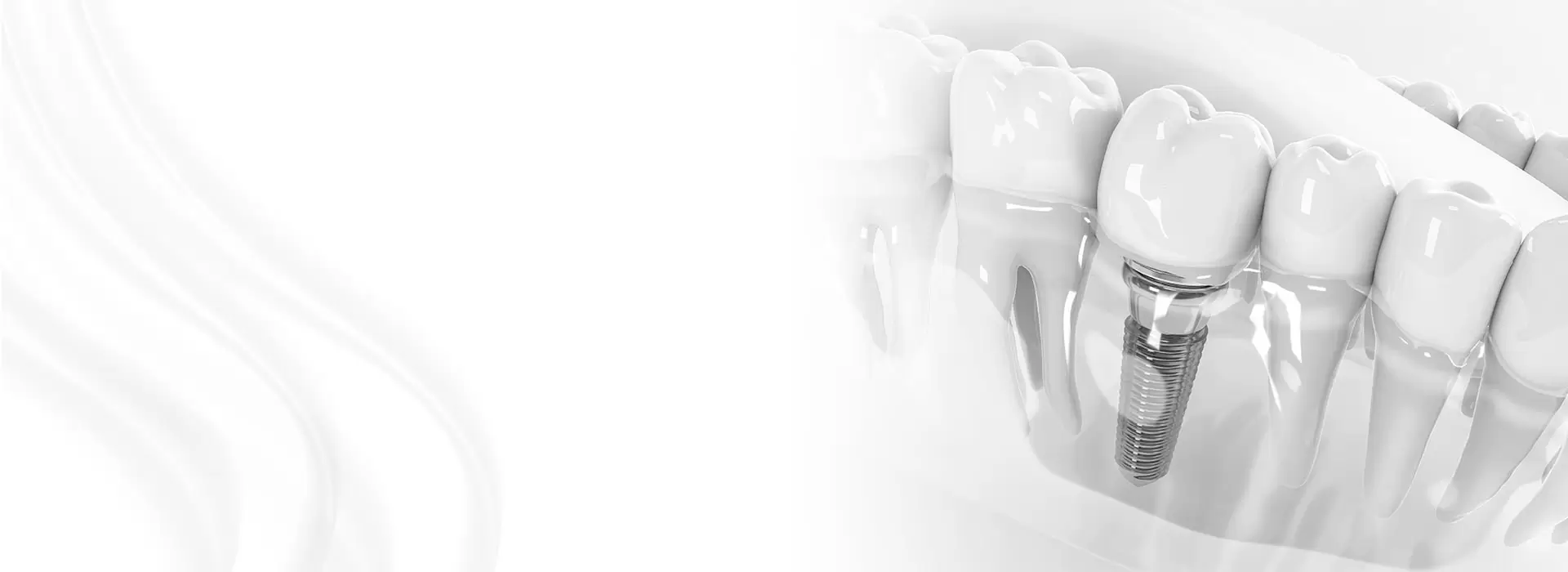
When bone is lost, there is simply less material for an implant post to anchor into. Think of it like trying to screw a fence post into sand instead of solid ground. Your jawbone needs enough height, width, and density to hold a titanium post securely while it fuses with the bone over several months. Australians over 50 are particularly prone to bone loss, especially those who have worn full or partial dentures for years, since dentures do not stimulate the jaw the way natural tooth roots do.
Why implants get tricky with these conditions
An implant placed into an infected or weakened site is far more likely to fail. Active gum disease creates inflammation and bacterial load that can prevent proper healing around the implant, a condition called peri-implantitis. It is similar to gum disease but happening around the artificial root instead of a natural tooth, and it is one of the leading reasons implants fail in the long term.
Insufficient bone creates a different problem: there is not enough structure to physically support the post. Without adequate volume, the implant can shift, fail to integrate, or even damage neighbouring anatomical structures like the sinus cavity or the nerve running through the lower jaw. That is why a proper assessment, usually involving a CBCT scan, is essential before any surgical planning begins. Many local Australian clinics now use 3D imaging to map out exactly how much bone is available and where.
Treating gum disease before anything else
Before an implant can even be considered, any active infection has to be brought under control. This typically means a deep clean below the gumline, known as scaling and root planing, sometimes paired with antibiotic therapy. In more advanced cases, a periodontist may need to perform flap surgery to access and clean deeper pockets of infection, or even remove a hopeless tooth that is fuelling the problem.
Maintenance is just as important as the initial treatment. Patients heading down the implant path need to commit to ongoing hygiene appointments, usually every three to four months rather than the standard six. Aussies who travel between cities, say FIFO workers in WA or people splitting time between Sydney and the coast, need to plan their maintenance around their lifestyle so they do not slip into old habits that brought the disease on in the first place.
Rebuilding bone when there is not enough left
This is where bone grafting comes in, and it is more common than most people realise. A graft can be sourced from your own body (autograft), a donor (allograft), animal tissue (xenograft), or synthetic material. The graft acts as a scaffold, encouraging your body to grow new bone in the area over a period of several months. Sinus lifts are another option for the upper jaw, where the sinus cavity has expanded into the space left by missing upper teeth.
Healing time varies but typically runs anywhere from three to nine months before an implant can be placed. Some techniques, like immediate implant placement after extraction, can shorten the timeline, but they only work when conditions are favourable. Aussie patients should be wary of any clinic promising instant implants without proper grafting, as it is often a shortcut that ends up costing more in the long run when the implant fails.
Walking through the implant journey
Once your gums are stable and any grafts have healed, the actual implant placement is a fairly straightforward procedure done under local anaesthetic, sometimes with sedation if you are particularly anxious. The titanium post goes into the jawbone, then you wait three to six months for osseointegration, the process where bone fuses with the implant surface. After that, an abutment and crown are attached to complete the restoration.
Throughout this journey, your dental team monitors healing closely, checking for signs of infection, ensuring the implant is not overloaded, and making sure your bite is balanced. Patients with a history of gum disease stay on a tighter recall schedule, since their risk profile remains slightly higher than someone with naturally healthy tissues. Some practices in Australia also coordinate with specialists interstate, particularly for complex cases that need both a periodontist and a prosthodontist working together.
Costs in Australia and why patients look overseas
Here is the bit that makes a lot of Australians grit their teeth. A single implant in Australia can run anywhere from $3,000 to $6,500, and that is before the cost of any grafting, which can add another $1,500 to $4,000. Private health insurance helps, but annual limits often cap out well below what is needed for full reconstruction. Medicare generally does not cover dental implants for adults, which is why dental tourism has grown so rapidly.
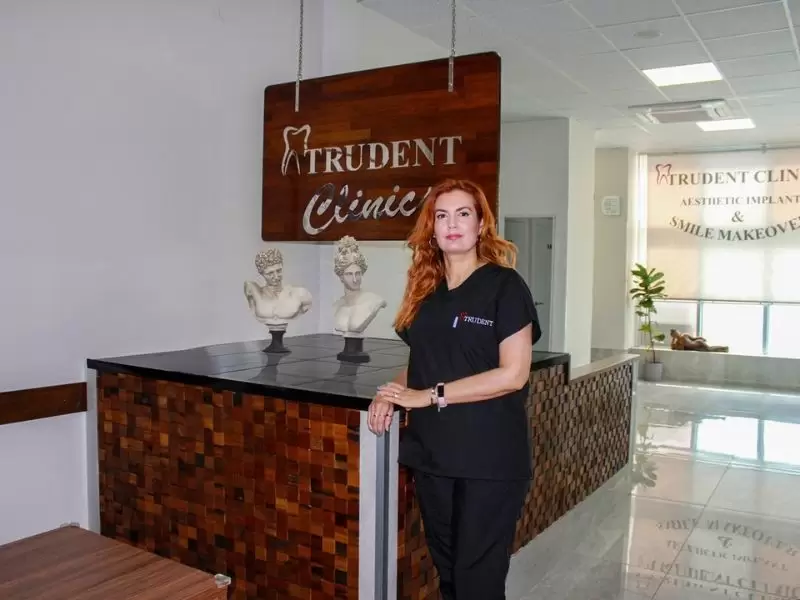
Turkey has become a particularly popular destination for Aussies, with direct flights from Melbourne or Sydney to Istanbul taking around 17 hours, and many clinics offering package deals that include accommodation, transfers, and the entire treatment for less than the cost of one implant back home. TruDent Clinics in Izmir is one such option, and you can review our services to see what is typically included. The savings are real, but patients still need to weigh factors like follow-up care once they are back on Australian soil, warranty policies, and whether their local dentist is comfortable taking over maintenance.
If you are weighing up whether implants are realistic given your dental history, book a consultation, get a proper 3D scan, and ask about both the local and overseas pathways. Every case is different, and the right answer for your mate down the road might not be the right answer for you.