Dental Implants and Smoking: What Patients Should Know
Dental implants can replace missing teeth with a stable, natural-looking solution, but smoking habits can affect nearly every stage of treatment. Tobacco smoke exposes the gums and surgical site to chemicals that may reduce blood flow, interfere with immune response, and slow the healing process around the implant.
This does not automatically mean that smokers cannot receive implants. Your suitability depends on factors such as the number of cigarettes used, how long you have smoked, gum health, bone density, oral hygiene, and any medical conditions that influence healing. A dental examination and three-dimensional imaging are essential before treatment is approved.
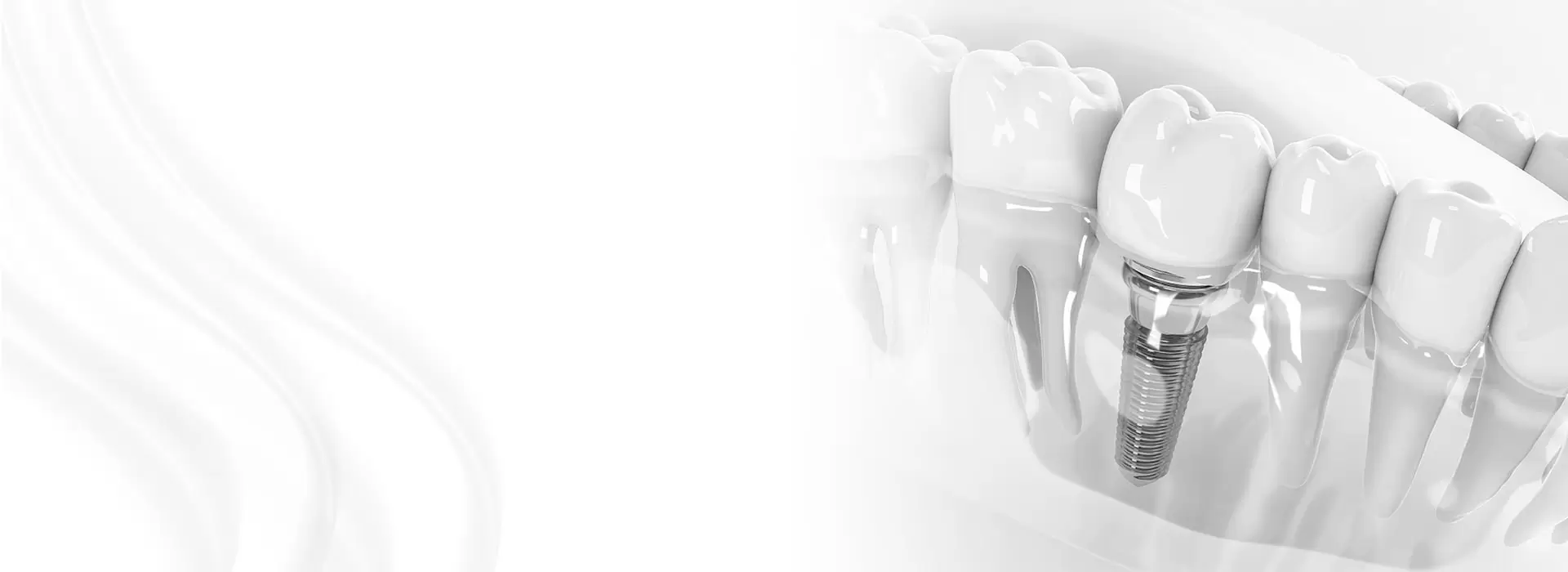
The most important point is that implant dentistry should be planned around risk reduction. Stopping or reducing tobacco use before surgery, following aftercare instructions, and attending regular check-ups can improve the chances of successful osseointegration, the process in which the implant bonds with the jawbone.
How Tobacco Affects Implant Healing
A dental implant requires healthy bone and gum tissue to heal around its surface. Nicotine narrows blood vessels, which can limit the oxygen and nutrients reaching the surgical area. This may delay tissue repair and make it more difficult for the implant to become firmly integrated into the jaw.
Smoking also affects the body’s ability to fight bacteria. The warm, moist environment around a healing implant is vulnerable to plaque accumulation, and reduced immune activity may increase the risk of infection. Inflammation around an implant, known as peri-implantitis, can damage the supporting bone and eventually cause the restoration to loosen.
Smoke exposure may also reduce saliva flow and contribute to dry mouth. Saliva helps control bacteria and supports the natural protection of oral tissues. When these defenses are weakened, gum irritation, bad breath, plaque buildup, and periodontal disease may become more likely.
Can Smokers Be Candidates?
Many smokers are still assessed for implant treatment, but the consultation must be realistic and individualized. A dentist may evaluate gum pockets, existing infections, bone volume, tooth loss patterns, bite pressure, and the condition of neighboring teeth. If gum disease is active, it usually needs to be treated before implant placement.
The extent of tobacco use matters. Occasional smoking may carry less risk than heavy daily use, but there is no completely risk-free level during surgical healing. Cigars, pipes, water pipes, and nicotine products can also affect oral tissues. Vaping may expose the mouth to nicotine and other substances, so it should not automatically be treated as a safe substitute during implant recovery.
Some patients may need additional preparation, such as professional cleaning, treatment for periodontal disease, a bone graft, or a temporary pause in smoking. The dental team may recommend postponing surgery if the likelihood of poor healing is too high. This decision protects the long-term result rather than simply delaying care.
Preparing for Implant Surgery
Ideally, patients stop smoking several weeks before implant surgery and continue abstaining during the healing period. The exact timeframe should be set by the treating dentist or oral surgeon. Even when complete cessation is not immediately possible, reducing exposure and creating a structured quit plan may be beneficial.
A preoperative appointment should cover medications, diabetes control, blood pressure, previous dental procedures, and any history of delayed healing. Patients should also disclose vaping, nicotine replacement products, and cannabis use because these details can influence anesthesia, wound healing, and aftercare instructions.
The surgical area must remain clean and undisturbed. Smoking soon after implant placement can expose the wound to heat, irritants, and suction. It may also interfere with the protective blood clot and increase discomfort. Patients should follow instructions about brushing, rinsing, diet, prescribed medication, and physical activity instead of relying on general advice from online sources.
Risk Factors At A Glance
Smoking is one factor among several that influence implant outcomes. A person who smokes but has healthy gums, good bone density, and excellent plaque control may have a different risk profile from someone who smokes, has uncontrolled diabetes, and has untreated periodontal disease.
| Factor |
Potential Effect On Implants |
Helpful Clinical Response |
| Cigarette or cigar smoking |
Slower healing and reduced blood supply |
Stop or reduce use before and after surgery |
| Vaping or nicotine exposure |
Possible irritation and impaired tissue healing |
Discuss all nicotine products with the dentist |
| Active gum disease |
Bacterial inflammation and bone loss |
Complete periodontal treatment first |
| Poor oral hygiene |
Greater plaque and infection risk |
Improve home care and attend professional cleanings |
| Low bone volume |
Reduced support for the implant |
Consider grafting or alternative treatment |
| Uncontrolled diabetes |
Delayed healing and higher infection risk |
Improve medical control with professional guidance |
| Heavy bite or teeth grinding |
Excessive force on the implant |
Assess the bite and consider a night guard |
No table can replace a clinical assessment. An implant dentist may use digital scans, X-rays, photographs, and periodontal measurements to determine whether immediate placement is appropriate. In some cases, a staged approach provides a safer path than placing an implant without first stabilizing the mouth.
What A Personalized Plan Should Include
A suitable plan should explain the proposed implant type, the condition of the jawbone, the expected healing period, and the restoration that will be attached later. It should also clarify whether tooth extraction, bone grafting, temporary teeth, or treatment for gum disease is needed.
Smoking cessation support can be part of this plan. A dentist may recommend speaking with a physician or cessation specialist, particularly if nicotine dependence is strong. Nicotine replacement therapy should be discussed with a healthcare professional because the best option varies according to medical history and the timing of surgery.
Patients considering care abroad should also examine the clinic’s diagnostic process and follow-up arrangements. A provider such as personalized dental care should be able to discuss implant planning, general dental health, cosmetic goals, and aftercare rather than treating the procedure as a one-step purchase.
Practical Steps That Improve Outcomes
Good preparation and consistent aftercare can lower avoidable risks. These measures do not remove the effects of smoking, but they support healthier gums and give the implant the best possible healing environment.
- Stop smoking before surgery and remain smoke-free for the healing period recommended by the dental team.
- Treat gum disease, cavities, and oral infections before implant placement.
- Brush carefully with a soft-bristled toothbrush and clean between teeth as instructed.
- Attend every review appointment so the implant and surrounding tissues can be monitored.
- Tell the dentist promptly about increasing pain, swelling, bleeding, pus, fever, or a loose temporary restoration.
Nutrition and general health also matter. Adequate protein, balanced meals, hydration, and good control of conditions such as diabetes can support tissue repair. Patients should avoid changing prescribed medication or using over-the-counter products without checking with their dentist or physician.
Warning Signs And Long-Term Maintenance
Some discomfort and swelling are expected after implant surgery, but symptoms that worsen rather than improve need professional attention. Persistent bleeding, severe pain, a bad taste, fever, or swelling spreading into the face may indicate infection or another complication. A mobile implant is not a normal part of healing and should be assessed quickly.
Long-term care remains important after the implant has integrated. Smoking can continue to affect the gum and bone around a functioning implant, increasing the possibility of peri-implant disease over time. Regular hygiene appointments, daily interdental cleaning, and a protective night guard when appropriate can help preserve the implant restoration.
A successful result also depends on the final crown, bridge, or denture fitting correctly. Excessive bite pressure can contribute to mechanical problems, especially when combined with smoking-related inflammation. Routine examinations allow the dental team to identify small changes before they become major failures.
A consultation is the right next step for anyone with missing teeth who smokes or uses nicotine. Bring a complete medical and dental history, describe your tobacco habits honestly, and discuss a realistic cessation timeline. With careful assessment, risk management, and committed aftercare, many patients can work toward a durable implant solution.