Dental Work During Pregnancy: What Australian Patients Should Know
Pregnancy can bring bleeding gums, tooth sensitivity, dry mouth, reflux and changes in eating habits. These symptoms may make routine dental care more important, rather than something to avoid until after birth. Regular brushing, professional cleaning and prompt attention to pain can help protect both comfort and oral health.
Can you get dental work done if you are pregnant? In many cases, yes. Cleanings, examinations, fillings and treatment for infection are commonly provided during pregnancy when clinically necessary. The safest plan depends on your trimester, symptoms, medical history and the type of procedure involved.
Elective cosmetic procedures are a different matter. Teeth whitening, veneers, extensive smile makeovers, dental implants and botulinum toxin injections are usually postponed because they can wait and may involve medicines, prolonged appointments or limited safety evidence during pregnancy.
Australian patients should tell both their dentist and midwife or obstetrician about the pregnancy. Whether you are visiting a clinic in Sydney, Melbourne, Brisbane or a regional town, open communication helps the dental team select suitable imaging, anaesthesia and pain relief.
Why Pregnancy Can Affect Your Teeth
Hormonal changes can make the gums more reactive to plaque. Pregnancy gingivitis may cause swelling, tenderness or bleeding when you brush. Some people also develop a small, harmless gum overgrowth called a pregnancy tumour, which can bleed easily and may need monitoring by a dentist.
Morning sickness and reflux expose teeth to stomach acid. Frequent snacking, cravings for sweet foods and a dry mouth can increase the chance of decay. After vomiting, rinse with water or a fluoride mouth rinse recommended by a dental professional, then wait about 30 minutes before brushing so you do not scrub softened enamel.
Continuing preventive dental care is worthwhile. A standard check-up and scale and clean can often be completed comfortably with the patient positioned slightly upright or on her side, especially later in pregnancy.
Treatments Commonly Considered Safe
Routine examinations, dental hygiene appointments and simple fillings are generally considered appropriate when needed. Untreated decay can progress to severe pain or infection, creating more stress and potential risks than timely treatment. A dentist may use a rubber dam or other measures to improve comfort and reduce exposure to dental materials.
Local anaesthetic is commonly used in pregnancy when clinically indicated. Your dentist will choose the most suitable drug and dose, taking account of your health and stage of pregnancy. Tell the clinic about allergies, blood pressure concerns, diabetes, previous pregnancy complications and all medicines or supplements.
For a clinic that provides general and cosmetic services, you can review the options offered by the TruDent dental team before arranging an assessment. A consultation should focus on your current symptoms and medical circumstances, rather than assuming every treatment listed online is suitable during pregnancy.
Procedures Usually Delayed
Whitening, veneers and elective crowns are usually deferred until after delivery. The concern is less about a single dental material and more about avoiding unnecessary exposure to chemicals, lengthy appointments and treatment that has no urgent health benefit. If a broken tooth is painful, however, a dentist can provide a temporary or restorative solution.
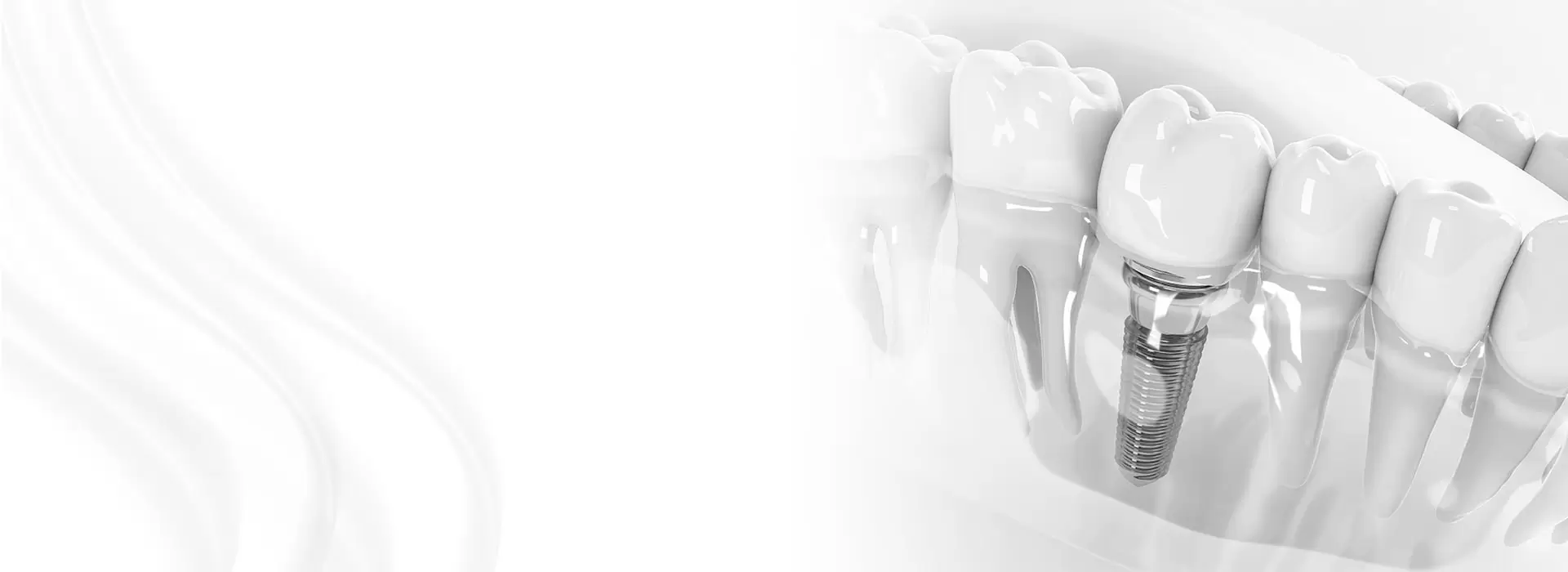
Dental implants are generally postponed because implant surgery is elective and requires healing time, planning scans and sometimes medication. An existing crown may be repaired or replaced if it is causing pain, but purely cosmetic changes can usually wait.
Botulinum toxin injections for facial lines, jaw tension or teeth grinding are also generally avoided during pregnancy and breastfeeding because safety data are limited. Invisible aligners and other orthodontic treatment may be possible in selected cases, but starting a major elective programme is often more practical after pregnancy.
| Dental treatment |
Usual approach during pregnancy |
Common timing |
| Examination and professional cleaning |
Generally suitable, with comfort adjustments |
Any trimester |
| Filling a cavity |
Usually provided when necessary |
Any trimester |
| Emergency root canal or extraction |
Treat promptly if infection or severe pain is present |
Any trimester |
| Dental X-ray |
Used when clinically necessary with protective measures |
Any trimester if required |
| Teeth whitening |
Usually postponed |
After pregnancy |
| Veneers, implants or smile makeover |
Usually delayed unless there is a compelling clinical reason |
After pregnancy |
| Botulinum toxin injections |
Generally avoided because evidence is limited |
After pregnancy and breastfeeding, as advised |
Choosing The Best Time For Care
The second trimester is often the most comfortable period for planned, non-urgent dental treatment. Nausea may have eased, and sitting through an appointment can be easier than in the final weeks. This does not mean necessary care should be withheld during the first or third trimester.
During the first trimester, dentists may minimise non-essential treatment while the baby’s early development is taking place. Necessary work can still be performed when delaying it could allow decay or infection to worsen. During the third trimester, shorter visits, breaks and a reclined-but-not-flat position may improve comfort.
Patients travelling from outer Melbourne, the Gold Coast or Perth’s northern suburbs may need to plan around appointment length and transport. Ask whether treatment can be divided into shorter visits, and allow extra travel time if nausea, fatigue or pelvic discomfort makes long journeys difficult.
X-Rays, Pain Relief And Antibiotics
Dental X-rays are not automatically prohibited in pregnancy. If an image is needed to diagnose an abscess, deep decay or a dental injury, the dentist can use modern low-dose equipment and protective precautions. Unnecessary imaging is avoided, but refusing a clinically important X-ray can delay treatment.
Pain relief should be discussed with the dentist, pharmacist and maternity care provider. Paracetamol is commonly recommended in pregnancy when taken as directed, while anti-inflammatory medicines such as ibuprofen may not be suitable at certain stages. Do not use leftover prescription medication or antibiotics from a previous illness.
Some antibiotics can be used during pregnancy, but the choice depends on the infection, allergies and gestation. A dental abscess will not resolve safely through painkillers alone. Swelling, fever or a spreading infection needs timely professional attention.
When Dental Symptoms Need Urgent Care
Severe toothache, facial swelling, pus, fever, difficulty swallowing or difficulty breathing requires urgent dental assessment. If swelling is affecting the throat or breathing, attend an emergency department immediately. Pregnancy should be disclosed at triage so the medical team can coordinate safe care.
A knocked-out, cracked or badly displaced tooth also needs prompt advice. Rinse gently, avoid placing aspirin on the gum and contact an emergency dentist. In Australia, public dental services can have eligibility rules and waiting lists, so people who are eligible should learn about their state or territory pathway before an emergency occurs.
For non-urgent treatment, private dental clinics may offer faster appointments, while private health insurance extras can help with some preventive or restorative costs. Check annual limits, waiting periods and pregnancy-related changes to your policy instead of assuming every dental service is covered.
Prepare For A Safer Appointment
Before the visit, provide accurate information and ask the dental team to coordinate with your maternity provider where needed. These practical steps can make treatment more predictable:
- Tell the clinic how many weeks pregnant you are and whether the pregnancy is high risk.
- Bring a list of prescription medicines, supplements and known allergies.
- Explain morning sickness, reflux, fainting, back pain or difficulty lying flat.
- Ask which treatment is essential now and which cosmetic care can wait.
- Confirm the plan for X-rays, local anaesthetic, antibiotics and pain relief.
- Arrange breaks, water and a comfortable position during longer appointments.
- Check fees, private health extras and possible public dental alternatives in your area.
Keep brushing twice daily with fluoride toothpaste and clean between the teeth gently, even if the gums bleed slightly. Persistent bleeding is a reason to seek professional advice, not a reason to stop cleaning altogether.
Pregnancy care and dental care should work together. Book an assessment for pain, bleeding gums, decay or a broken tooth, and tell the clinic about your pregnancy when making the appointment. A personalised plan can protect your oral health now while reserving elective cosmetic treatment for the appropriate time after birth and breastfeeding.