Can You Get Invisalign with Existing Bridgework?
Existing dental bridgework does not automatically rule out clear aligner treatment. Many patients with a fixed bridge can improve crowding, spacing, rotations, or bite problems, but the treatment must be designed around the bridge’s structure and purpose. The answer depends on which teeth support the bridge, whether the bridge is stable, and how much tooth movement is needed.
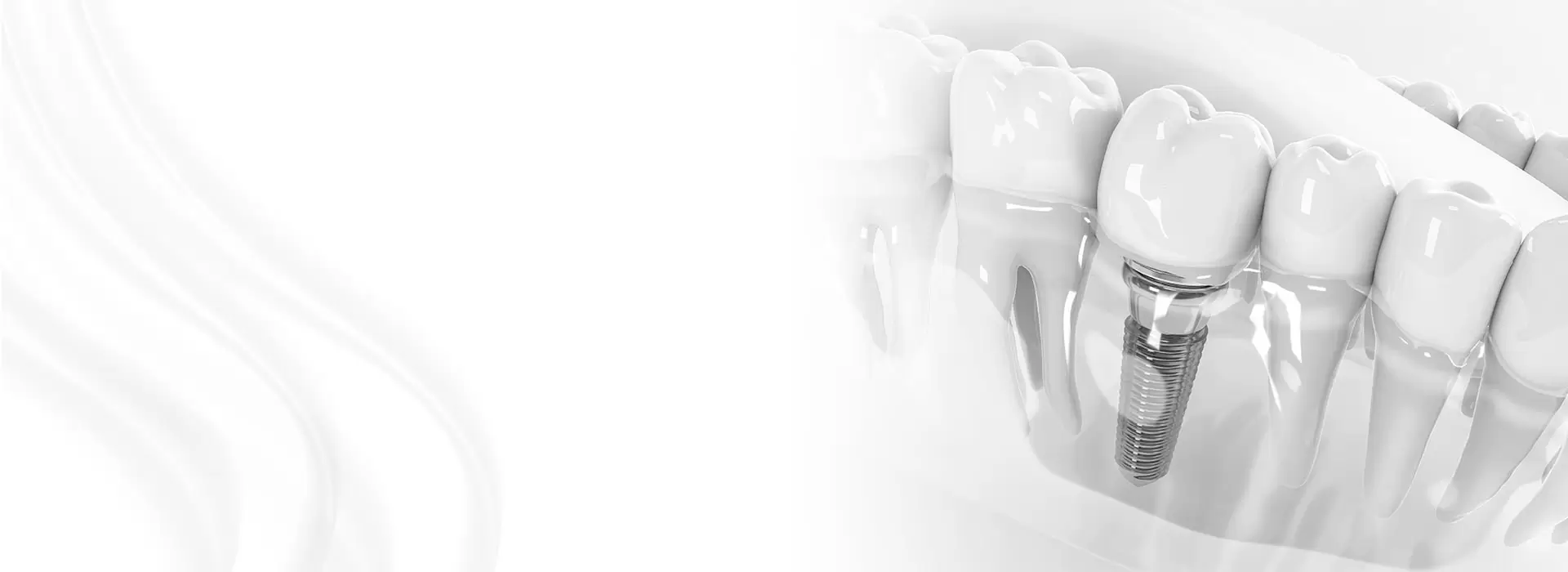
A bridge replaces one or more missing teeth with a pontic attached to neighbouring teeth called abutments. Unlike natural teeth, the artificial tooth cannot move through the bone. The supporting teeth may also be joined together, limiting the individual movement that Invisalign or another clear aligner system usually relies on.
A detailed examination is therefore essential before starting orthodontic treatment. At TruDent Clinics in Izmir, a dentist can assess the bridge, surrounding gums, bite, and remaining teeth before creating a personalized treatment plan. In some cases, the existing bridge can remain in place. In others, it may need to be modified, removed, or replaced as part of a broader restorative plan.
How bridgework changes orthodontic planning
Clear aligners move natural teeth by applying controlled pressure to their crowns. The roots gradually respond within the supporting bone. A dental bridge behaves differently because the pontic has no natural root and the abutment teeth are connected by a rigid restoration.
This means an aligner cannot move every part of a bridge independently. If the bridge spans a missing tooth, the artificial tooth will stay in its position while the adjacent teeth may have limited movement. The bridge can also reduce the space available for attachments, which are small tooth-coloured shapes that help aligners rotate, raise, lower, or tilt specific teeth.
The condition of the bridge is another important factor. A loose crown, damaged margin, recurrent decay, or inflamed gum tissue should be addressed before orthodontic treatment. Applying pressure to teeth that support a failing bridge may worsen discomfort or compromise the restoration.
When clear aligners may still work
Invisalign may be suitable when the bridge is stable and the required tooth movements are modest. For example, minor alignment changes in teeth away from the bridge may be possible without disturbing the restoration. An aligner can sometimes improve the bite around existing bridgework while keeping the bridge intact.
Treatment may also be appropriate when the bridge occupies a stable space that does not need to change. The dentist and orthodontic provider can plan around the pontic and use attachments on eligible natural teeth. The aligner may be shaped to fit over the bridge, although its fit and tracking must be monitored carefully.
Some patients need orthodontic movement before receiving a new bridge. In that situation, the old bridge may be removed and replaced temporarily, or the space may be managed with a provisional restoration. Aligners can then create the correct spacing and tooth positions before a definitive crown, bridge, or implant restoration is made.
When existing bridgework needs extra caution
A bridge supported by several teeth can make complex movement difficult. If a patient needs significant rotation, root movement, bodily movement, or closure of a large gap, the bridge may prevent the necessary control. Attempting to force movement around it can produce an uneven bite or place excessive stress on the abutment teeth.
The bridge may also need attention if it is old, poorly fitting, or cosmetically mismatched. Orthodontic treatment could reveal areas of tooth or gum that were previously hidden by the restoration. In some cases, replacing the bridge after alignment provides a more natural shape, cleaner margins, and a better colour match.
Dental implants require a separate consideration. An implant is fixed directly into the jawbone and cannot be moved with Invisalign. Natural teeth can be aligned around an implant, but the implant crown remains in its original position. If the implant is poorly positioned for the desired smile or bite, the treatment plan may need to involve restorative correction rather than tooth movement alone.
| Clinical situation |
Possible approach |
Main consideration |
| Stable bridge and minor crowding elsewhere |
Keep the bridge and align eligible natural teeth |
Aligner fit and attachment placement |
| Bridge covering teeth that need movement |
Remove or replace it temporarily |
Protecting the abutment teeth |
| Bridge with decay, looseness, or gum inflammation |
Treat the underlying problem first |
Oral health takes priority |
| Implant-supported bridge or crown |
Move natural teeth around the implant |
The implant itself cannot be repositioned |
| Large space or major bite correction |
Combine orthodontics with restorative care |
Timing of a new bridge, crown, or implant |
What a proper evaluation should cover
A consultation should begin with a clinical examination of the teeth, gums, existing bridge, bite, and jaw relationship. The dentist may check for sensitivity, mobility, decay around the bridge margins, gum pockets, and signs of excessive pressure. These details help determine whether the restoration can safely remain during aligner treatment.
Digital scans, photographs, and dental X-rays are commonly used to plan treatment. X-rays can show the roots of the bridge abutments, bone support, hidden decay, and the position of nearby teeth. A digital scan can help the provider assess how an aligner may fit over the bridge and simulate likely tooth movement.
The treatment plan should explain what Invisalign can and cannot change. A pontic will not grow a root or move like a natural tooth. The provider should also discuss the possible need for refinements, temporary restorations, enamel reshaping, bonding, or a new bridge after alignment. Clear expectations are especially important when the treatment has both cosmetic and functional goals.
Coordinating aligners with restorative dentistry
When bridgework is part of the plan, orthodontic and restorative decisions must be coordinated. A dentist may recommend aligning the teeth first and completing the final bridge afterward. This approach can create a more symmetrical smile and allow the laboratory to design a restoration that fits the final tooth positions.
In other cases, keeping the current bridge is more practical. This may apply when it is healthy, well-positioned, and unrelated to the teeth requiring movement. The aligners can then be designed around it, with regular checks to make sure the restoration remains comfortable and the trays continue to seat fully.
A temporary bridge or provisional crown may be useful during treatment. Temporary restorations can preserve appearance and chewing function while allowing the underlying teeth to move. They may require adjustments as alignment progresses, so patients should attend scheduled reviews rather than waiting until discomfort or poor aligner fit develops.
Protecting your teeth during treatment
Patients with bridgework should pay close attention to cleaning and aligner wear. Food debris can collect around bridge connectors and gum margins, while an aligner can trap plaque against the teeth. A consistent hygiene routine helps reduce the risk of decay, gum irritation, and bad breath.
Recommended habits include:
- Brush thoroughly with fluoride toothpaste and clean beneath the bridge with floss threaders, interdental brushes, or a water flosser.
- Wear the aligners for the prescribed amount of time and remove them before eating or drinking anything except water.
- Clean the trays as directed instead of using hot water, which can distort their shape.
- Report looseness, sharp edges, persistent pain, gum bleeding, or an aligner that no longer fits properly.
- Attend review appointments so tooth movement, bridge stability, and gum health can be monitored together.
What results and timing can look like
Treatment time varies according to the number of teeth involved, the complexity of movement, and whether bridgework must be changed. Minor alignment may take less time than comprehensive bite correction. If a bridge is removed or replaced during treatment, additional appointments and laboratory stages will affect the overall schedule.
Aligner therapy can improve tooth position, spacing, and smile symmetry, but it may not correct the appearance of an outdated bridge by itself. The artificial tooth’s colour, shape, and position remain largely determined by the restoration. If the bridge is visibly different from the surrounding teeth, a replacement may be recommended after orthodontic movement is complete.
Retention is especially important when natural teeth have been aligned around a fixed bridge or implant. Retainers help maintain the new positions while the surrounding tissues adapt. Your dentist can recommend a suitable retainer design and explain whether it should cover the bridge, fit around it, or be supported by another restoration.
If you have a bridge and are considering Invisalign, arrange an assessment with a qualified dental team before ordering aligners independently. TruDent Clinics can evaluate your existing restoration, discuss clear aligners and alternative orthodontic options, and coordinate cosmetic or restorative treatment where needed. A personalized consultation in Izmir is the safest way to determine whether your bridge can remain in place and how to achieve a stable, healthy smile.