Invisible Aligners After Dental Bonding: What Australians Should Know
Dental bonding is a popular way to repair chips, close small gaps and improve tooth shape. Because it uses tooth-coloured composite resin, many people wonder whether previous bonding will prevent them from wearing clear aligners. In most cases, a history of bonding does not automatically rule out orthodontic treatment.
The important issue is the condition, size and position of the bonded areas. Your dentist or orthodontist will need to examine your teeth, existing restorations, bite and gum health before deciding whether aligners are suitable. The treatment plan may include dental bonding repairs or cosmetic finishing after the teeth have moved.
How Bonding Affects Clear Aligner Treatment
Composite bonding is attached to the surface of a tooth, while an invisible aligner applies controlled pressure to move the tooth and its root. The resin itself does not move independently. This means a bonded tooth can often be included in an orthodontic plan, provided the restoration is stable and the tooth underneath is healthy.
The shape of the bonding can affect how an aligner fits. For example, a large build-up on the front of a tooth may prevent the tray from gripping the surface accurately. A dentist may recommend reshaping or replacing part of the composite before scanning your teeth. Small bonded repairs may require no changes at all.
Attachments, sometimes called buttons, can also be placed over or around bonded surfaces. Their design depends on the type of tooth movement required. If the bonding is worn, loose, stained or cracked, treating that issue first can make the aligner process safer and more predictable.
When Treatment Can Usually Proceed
Clear aligners may be appropriate when bonding is firmly attached, the teeth are free from active decay and the gums are healthy. They can address crowding, mild spacing, rotated teeth and some bite problems. The suitability of aligners depends on the complete orthodontic diagnosis rather than the presence of composite resin alone.
A history of bonding is especially common among adults seeking a smile makeover. Someone who had a chipped incisor repaired years ago may be able to straighten the teeth first and then refresh the bonding once the final positions are established. This sequence often creates a better cosmetic result than reshaping the restoration repeatedly during orthodontic treatment.
An accurate digital scan and bite assessment are essential. A clear assessment from an experienced dental team can help identify whether the bonding needs maintenance before treatment begins. X-rays may also be recommended to check roots, previous trauma, fillings and areas that cannot be assessed from the outside.
Situations Requiring Extra Care
Old bonding can become rough, discoloured or weakened over time. Aligner wear may expose an existing problem rather than cause it, particularly if the resin has already developed a small crack. Patients should tell the clinician when and why the bonding was placed, especially if it followed a sports injury or another form of dental trauma.
Large composite restorations can make tooth movement more complicated. A bonded tooth may have a different contour from its neighbours, which can influence tray retention and attachment placement. In some cases, the dentist may remove and replace the bonding before aligners; in others, it is more sensible to wait until the orthodontic phase is complete.
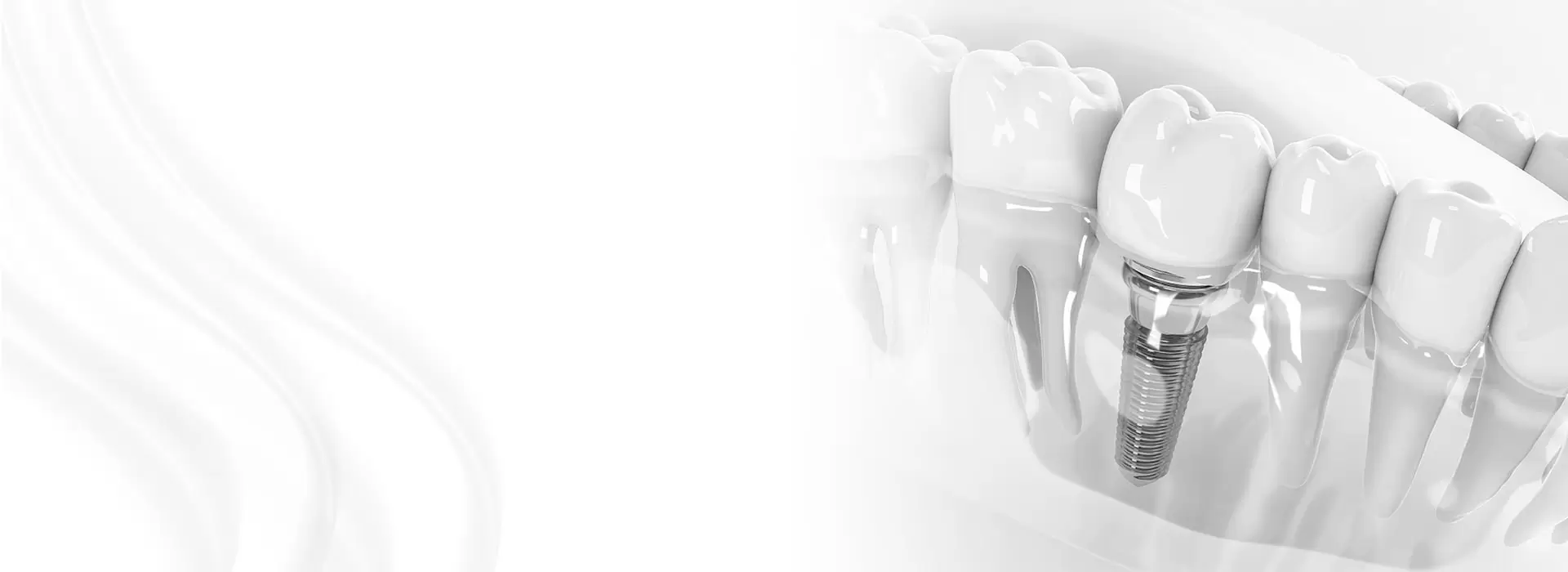
Patients with crowns, veneers, extensive fillings or dental implants require a similarly careful review. Aligners can move natural teeth, but they cannot move an implant in the same way. A treatment plan may need to work around fixed restorations, and the final appearance may involve coordinated orthodontic and cosmetic dentistry.
What the Treatment Journey May Look Like
Before starting, your provider should record the current condition of each bonded tooth. Photographs, scans and, where appropriate, radiographs help establish a baseline. This record is useful if the composite changes during treatment and allows the clinician to compare the final result with the original shape.
The aligners are usually worn for around 20 to 22 hours a day, with removal for eating, drinking anything other than water and brushing. Good oral hygiene matters because plaque trapped around attachments or along the gumline can increase the risk of decay. Bonded edges should be cleaned gently, without using the trays as a substitute for regular brushing and flossing.
Follow-up appointments allow the dentist or orthodontist to check tracking, tooth movement and the condition of the composite. If a tray no longer fits properly, do not force it or skip ahead without advice. A replacement tray, a refinement scan or a bonding repair may be needed. After active treatment, a retainer is essential because teeth can shift again, including teeth that have been cosmetically restored.
For Australians, treatment is commonly arranged through private dental or orthodontic practices in areas such as Sydney, Melbourne, Brisbane or Perth. Adult clear aligner treatment is generally paid privately, and Medicare usually does not cover routine orthodontics or cosmetic dental work. Some extras policies may contribute, but limits, waiting periods and orthodontic exclusions vary, so checking the details with your insurer before committing is sensible.
Deciding Whether to Repair Bonding Before or After
The right timing depends on the restoration and the intended result. Repairing bonding before aligners may improve the fit of the trays and protect a vulnerable edge. Delaying cosmetic reshaping can be preferable when tooth position will substantially change, since the final contour is easier to design after alignment.
| Situation |
Common approach |
Why it matters |
| Small, stable bonding repair |
Keep it during aligner treatment |
The tray may fit normally with little adjustment |
| Chipped or loose composite |
Repair or replace before treatment |
Reduces the risk of further damage and poor tray fit |
| Large bonding changing tooth shape |
Review and possibly modify it |
The restoration may interfere with attachments or tracking |
| Bonding placed after trauma |
Assess the tooth and root carefully |
Previous injury may affect movement and long-term stability |
| Cosmetic bonding intended for a final smile design |
Consider finishing after alignment |
The dentist can match the new shape to the final tooth position |
A consultation should also cover the expected effect on the appearance of bonded teeth. As natural teeth move, a resin edge that once looked symmetrical may become less balanced. Whitening is usually planned carefully because composite does not respond to bleaching in the same way as natural enamel. Many patients complete alignment first, whiten natural teeth if appropriate, then have the bonding polished or replaced to match.
Clear aligners can be a practical option for many people with previous dental bonding, but the treatment should be planned around the restoration rather than delivered as a standard tray sequence. Book a consultation with a qualified dentist or orthodontist, bring details of previous dental work, and ask for a plan that explains whether bonding will be maintained, adjusted or renewed. With proper assessment and retention, straightening and cosmetic refinement can be coordinated for a natural-looking result.