Can You Get Veneers If You Have Old Crowns?
Having old dental crowns does not automatically prevent you from improving your smile with veneers. The right treatment depends on which teeth have crowns, why those crowns were placed, and how much healthy tooth structure remains underneath them.
Veneers and crowns solve different dental problems. A veneer is a thin shell bonded mainly to the front surface of a tooth, while a crown covers most or all of the visible tooth. Because of this difference, a veneer usually cannot simply be placed over an existing crown.
A dentist must assess the crowns, the supporting teeth, your bite, gum health, and your cosmetic goals before recommending treatment. In some cases, old crowns can be replaced with new crowns that match veneers on neighboring teeth. In others, veneers may be suitable for untreated natural teeth while the existing crowns remain.
Can A Veneer Be Placed Over An Existing Crown?
In most situations, placing a veneer directly over an old crown is not recommended. Porcelain and composite veneers are designed to bond to prepared natural enamel or dentine. The surface of an existing crown may not provide the right bonding conditions, and the added thickness can affect the bite, appearance, and long-term stability.
A crown may also conceal decay, cracks, leakage, or damage beneath it. Covering the crown with another restoration could make these problems harder to identify and treat. If the crown is worn, loose, chipped, discolored at the margin, or no longer fits properly, replacing it is generally more predictable than adding a veneer.
There are limited circumstances in which a veneer-like cosmetic repair may be considered over a restoration, but this depends on the material, the location of the crown, and the dentist’s bonding technique. Such an approach is not suitable for every patient and may carry a higher risk of debonding or fracture.
Why The Condition Of Old Crowns Matters
Old crowns can remain functional for many years, but they are not permanent. Their lifespan varies according to the material used, oral hygiene, bite forces, grinding habits, and the health of the tooth underneath. A crown that looks acceptable from the front may still have a compromised margin or hidden decay.
The dentist will examine the crown’s edges, color, shape, contact with neighboring teeth, and relationship with the gums. X-rays may be needed to check the tooth root and surrounding bone. If you grind your teeth, clench your jaw, or have an uneven bite, these factors must be managed before cosmetic treatment.
Crowns on front teeth can be especially noticeable when combined with veneers. Differences in translucency, brightness, surface texture, and gum-line position may make the restorations look mismatched. A coordinated smile design can help create a more consistent result, but it may require replacing one or more older crowns.
How Dentists Assess Your Options
A cosmetic dentistry consultation normally begins with a review of your dental history and the reason each crown was originally placed. Crowns used after root canal treatment, large fillings, fractures, or extensive wear may indicate that the teeth need the protection a crown provides rather than the limited coverage of a veneer.
The dentist may evaluate photographs, digital scans, bite records, and temporary mock-ups. These tools help show how changes in tooth length, width, color, and contour could affect your smile. They also help determine whether the visible teeth can be treated together or whether only selected restorations need replacement.
Your gums and natural teeth must be healthy before elective cosmetic treatment. Active decay, untreated gum disease, infection, or severe enamel loss should be addressed first. A stable foundation improves the fit, appearance, and longevity of veneers or replacement crowns.
Comparing Treatment Choices
The most suitable restoration depends on the amount of remaining tooth structure, the strength of the tooth, and the appearance you want to achieve. A dentist may recommend a combination of treatments rather than using veneers across the entire visible smile.
| Treatment |
Typical Use |
Main Advantage |
Important Consideration |
| Veneer |
Natural front tooth with adequate enamel and limited damage |
Conservative cosmetic improvement |
Not usually bonded directly to an existing crown |
| Replacement crown |
Tooth already crowned, weakened, heavily restored, or fractured |
Provides full coverage and protection |
Requires removal and assessment of the old crown |
| Crown and veneer combination |
Smile with crowned teeth and suitable natural neighboring teeth |
Can create a coordinated appearance |
Color, translucency, and gum levels must be carefully matched |
| Composite bonding |
Minor shape or color changes on suitable natural teeth |
Often quicker and more affordable |
May stain or wear sooner than porcelain |
| Whitening with restoration planning |
Natural teeth that are darker than desired |
Helps establish a brighter shade before restorations |
Existing crowns and veneers do not whiten |
Replacing old crowns before or alongside veneers can make shade selection more accurate. Natural teeth can often be whitened before treatment, but crowns, veneers, and other restorations generally retain their original color. Planning the final shade in the correct order helps avoid visible differences.
When Veneers May Not Be The Best Choice
Veneers may be unsuitable when a tooth has very little enamel, extensive decay, a large filling, significant cracks, or severe structural weakness. They may also be a poor option for patients with untreated bruxism, because repeated heavy pressure can chip or loosen thin ceramic restorations.
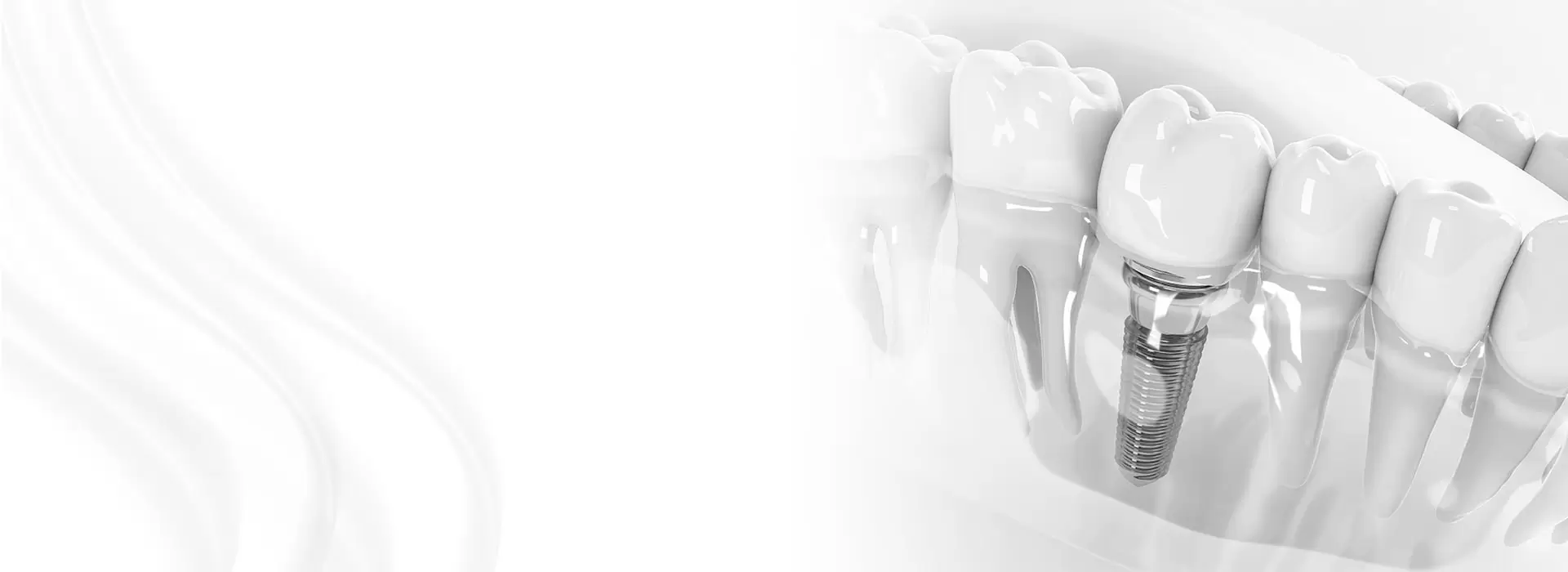
If an old crown is on a tooth that has already lost substantial structure, a new crown may offer better protection. A root-treated tooth may require a careful structural assessment, and in some cases additional reinforcement is needed. If the tooth cannot be saved, an implant-supported crown or another replacement option may be discussed instead.
Veneers are primarily cosmetic restorations. They do not correct every bite problem, replace missing teeth, or treat active disease. Clear aligners, gum treatment, restorative dentistry, or bite protection may form part of a broader smile makeover when these issues affect the final result.
Preparing For A Coordinated Smile Makeover
If you have several old crowns and want a brighter, more even smile, the treatment plan should consider all visible teeth together. Replacing only one crown may be enough in some cases, while other patients benefit from matching multiple crowns and veneers at the same time.
Material selection also matters. Porcelain veneers and ceramic crowns can be designed to complement each other, but the final appearance depends on the ceramic type, laboratory quality, lighting, tooth preparation, and gum condition. Digital smile planning and temporary restorations can help test the proposed shape before final placement.
Discuss your expectations clearly during the consultation. Tell the dentist whether you want a subtle change or a noticeably brighter smile, and mention any history of sensitivity, jaw pain, clenching, or previous restoration problems. A night guard may be recommended after treatment if grinding places extra pressure on the restorations.
Steps For A Safer Treatment Decision
- Arrange a comprehensive examination of every existing crown and the teeth beneath it.
- Ask whether each crown can remain, needs replacement, or should be matched with veneers on neighboring teeth.
- Complete necessary treatment for decay, gum disease, infection, worn enamel, or bite problems first.
- Confirm the planned shade after considering whitening, existing restorations, and the final smile design.
- Request a clear explanation of preparation, temporary restorations, maintenance, risks, and expected longevity.
Veneers can be part of a successful smile transformation even when old crowns are present, but they are rarely a simple cover-up solution. The safest plan may involve keeping sound crowns, replacing worn ones, and placing veneers only on natural teeth that can support them.
At TruDent Clinics in Izmir, a personalized consultation can assess your crowns, teeth, gums, bite, and cosmetic goals before treatment is selected. Schedule an appointment to discuss whether veneers, replacement crowns, or a combined smile makeover is the most suitable path for your smile.