Dental Implants And Veneers In One Treatment Plan
Can you have both dental implants and veneers in one treatment plan? In many cases, yes. The two treatments address different dental concerns, so they can be combined when a patient has missing teeth as well as healthy teeth that need cosmetic improvement.
A dental implant replaces the root of a missing tooth and supports a crown, while a veneer covers the visible front surface of an existing tooth. A carefully designed treatment plan can make the implant crown and veneers look balanced in colour, shape, length and proportion.
The key is coordination. Your dentist must assess your gums, bone density, bite, remaining teeth and overall smile before recommending treatment. For Australians considering care overseas, including in İzmir, Turkey, a detailed consultation and clear digital treatment plan are especially important before travelling.
How Implants And Veneers Differ
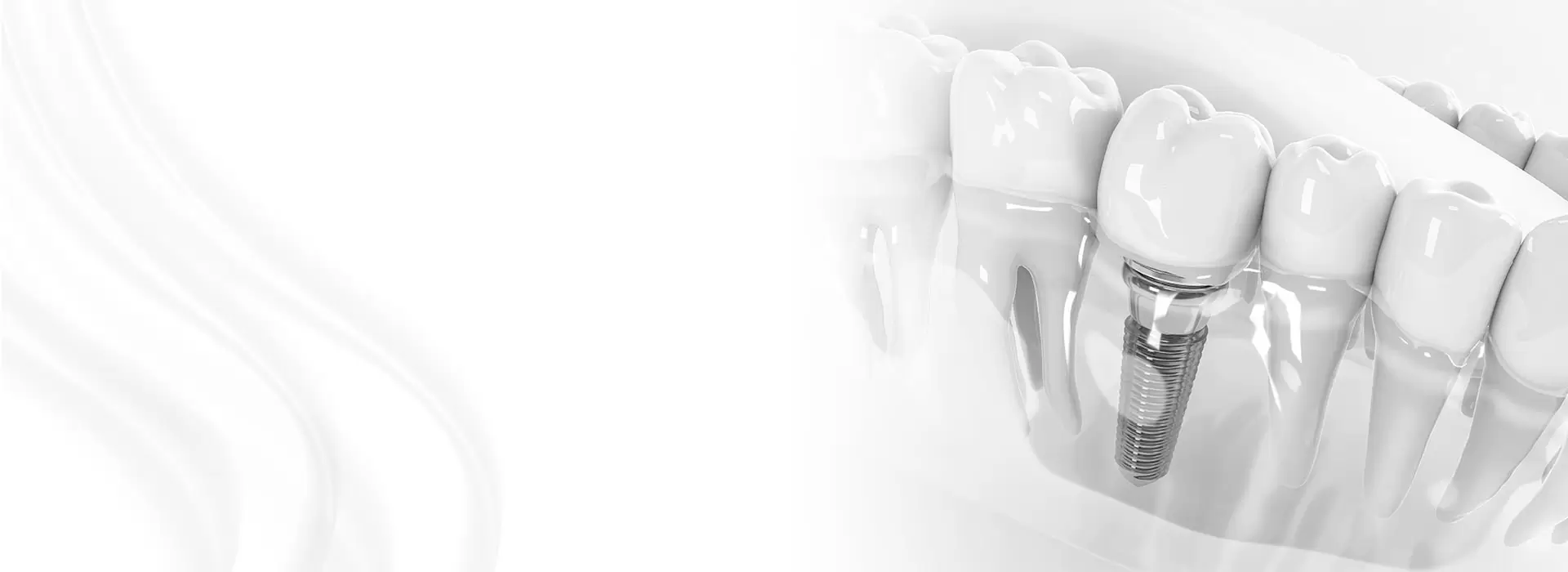
Dental implants are used when a tooth is missing or cannot be saved. A titanium implant is placed into the jawbone, where it gradually integrates with the surrounding bone. Once healing is sufficient, an abutment and custom-made crown are attached to restore function and appearance.
Veneers are thin shells, usually made from porcelain or another dental ceramic, bonded to the front of a natural tooth. They may improve staining, uneven edges, minor gaps, worn enamel or slightly irregular shapes. Veneers do not replace missing teeth and generally require enough healthy enamel for secure bonding.
Because the treatments have separate purposes, they can complement each other. For example, an implant may replace a missing upper lateral incisor while veneers improve the neighbouring teeth. The result should be planned as one smile rather than as unrelated procedures.
When A Combined Plan Makes Sense
A combined approach may suit someone with one or more missing teeth and cosmetic concerns affecting the remaining teeth. It can also be considered after extensive dental work, trauma or long-term wear has changed the smile’s overall appearance. In these situations, matching the implant crown to new veneers can produce a more uniform result.
Your dentist may recommend treating only selected teeth rather than covering the entire smile. Preserving sound natural teeth is usually preferable to preparing them unnecessarily. Existing fillings, cracks, gum recession, tooth sensitivity and signs of grinding can all affect whether veneers are suitable.
The health of your gums and jaw must come first. Active gum disease, untreated decay or inadequate bone volume may need attention before cosmetic treatment begins. Some patients require periodontal care, a bone graft or a sinus lift before implant placement, which can extend the timeline.
Planning The Smile As A Whole
The implant crown and veneers should be designed together, even if they are fitted at different appointments. Your dentist may use photographs, digital scans, X-rays and computer-assisted smile planning to assess tooth proportions and the relationship between your upper and lower teeth.
A temporary mock-up can help preview the proposed tooth length and shape. For an implant, the planned final crown also guides the position of the implant. This is why placing an implant without considering the final smile design can make later cosmetic matching more difficult.
Colour selection requires particular care. Natural teeth can have subtle variations in translucency, while veneers and implant crowns are manufactured restorations. If whitening is part of the plan, it is commonly completed before the final shade is selected, since crowns and veneers do not respond to whitening gel in the same way as natural enamel.
Treatment Order And Recovery
The order depends on your dental condition and the number of teeth involved. In many cases, disease control and any necessary extractions come first. The implant is then placed and allowed to heal, while a temporary tooth may be provided for appearance and function during this stage.
Veneers may be prepared after the dentist has confirmed the planned implant position and established the desired smile design. In other situations, selected veneers can be completed earlier, particularly when the implant area needs a longer healing period. The final sequence should be based on biology, bite stability and laboratory planning rather than speed alone.
Implant treatment can take several months when healing and additional procedures are required. Veneers usually involve fewer appointments, although preparation, temporary veneers, laboratory fabrication and final bonding still require careful scheduling. Patients travelling from Australia should allow time for reviews and avoid planning an immediate long-haul flight after invasive surgery without medical guidance.
Costs, Travel And Australian Considerations
Treatment fees vary according to the number of implants, the type of crowns and veneers, imaging, bone grafting, sedation and laboratory materials. Australian patients should compare the complete cost rather than focusing only on the advertised procedure price. Flights from Sydney, Melbourne, Brisbane or Perth, accommodation, transfers, travel insurance and possible follow-up visits can change the overall budget.
Dental care for adults is generally not covered by Medicare, although some private health policies may provide benefits through extras cover. Waiting periods, annual limits and exclusions vary between insurers. Before committing to treatment overseas, ask your Australian insurer whether any part of the treatment or future maintenance may be covered.
Turkey is a popular destination for dental tourism, and İzmir is well connected for international visitors. Still, distance can make post-treatment care more complicated. Request a written breakdown of materials, implant brands, laboratory work, guarantees, aftercare and what happens if a restoration loosens or needs adjustment after you return home.
A useful starting point is to review the provider’s approach to treatment information and then arrange a consultation that includes your medical and dental history. A reputable clinic should explain alternatives and limitations rather than promise an identical result for every patient.
Selecting A Safe Personalised Plan
The right plan depends on factors such as bone quality, gum health, bite pressure, smoking, diabetes, tooth grinding and your expectations for appearance. Bruxism, or night-time grinding, can increase the risk of chipping veneers or overloading an implant crown. A dentist may recommend a night guard if it is appropriate for your situation.
Ask who will place the implant, who will design and fit the restorations, which implant system will be used and how your records will be retained. It is also sensible to clarify whether temporary teeth are included, how many review appointments are planned and whether an independent Australian dentist can manage routine maintenance after your return.
The final result should look natural and function comfortably. Veneers should not be used to mask a bite problem, and implants should not be placed simply to support a cosmetic objective when a healthy tooth could be preserved. A thorough examination allows your dentist to decide whether an implant-supported crown, veneer, crown, orthodontic treatment or a combination is most appropriate.
If you are considering dental implants and veneers together, arrange a comprehensive consultation with TruDent Clinics to discuss your smile goals, clinical needs and travel timetable. Bring recent dental records and X-rays if available, and ask for a personalised treatment plan that sets out each stage, expected healing period, materials and total costs before you make arrangements.