Zirconia vs porcelain crowns: finding the right fit for your smile
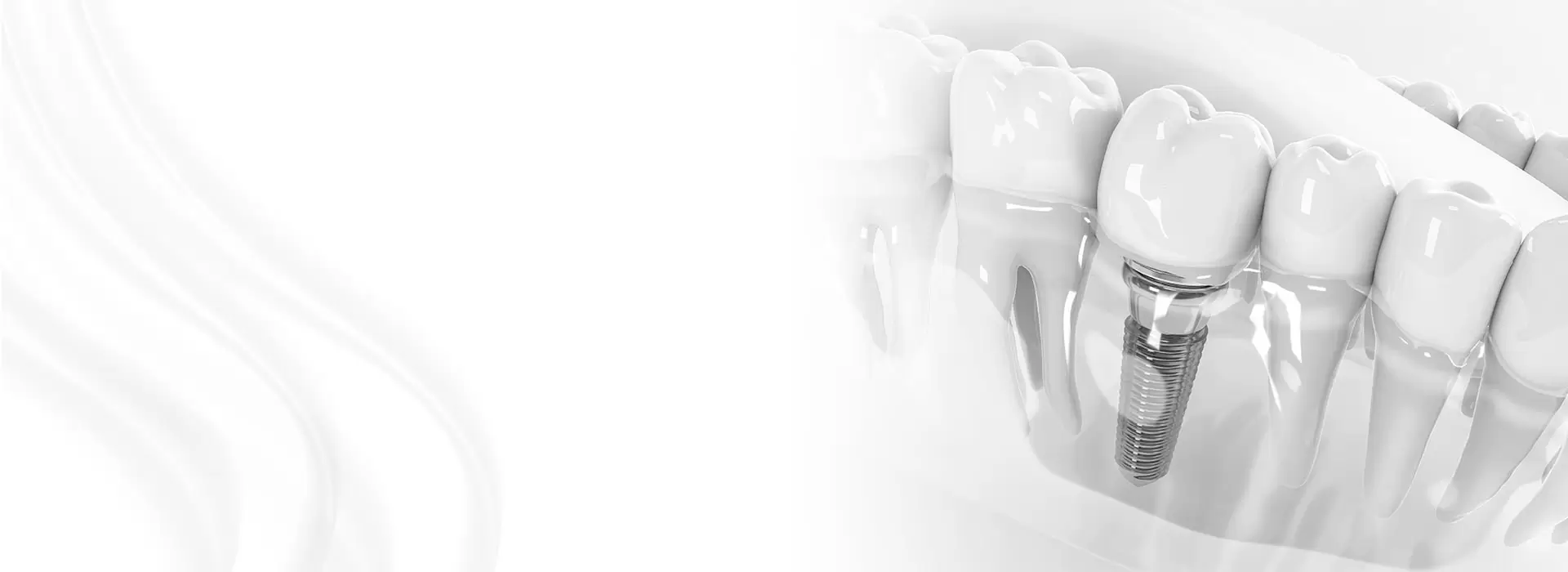
A dental crown can restore a weakened tooth, improve its shape, protect a fractured structure, or complete an implant treatment. When patients compare zirconia and porcelain crowns, they are usually weighing two important priorities: a natural-looking smile and reliable long-term performance.
Both materials can produce excellent results when selected and designed correctly. The better option depends on the location of the tooth, the condition of the underlying structure, your bite, aesthetic preferences, and whether you clench or grind your teeth. A consultation allows your dentist to assess these details before recommending a crown material.
At TruDent Clinics in Izmir, treatment planning is personalized around your oral health and smile goals. Digital scans, clinical examination, bite analysis, and shade assessment can help create a restoration that looks balanced and functions comfortably.
Material and manufacturing differences
Zirconia is a high-strength ceramic made from zirconium dioxide. It is milled from a solid block using digital technology and then sintered in a special furnace. This process creates a dense restoration with excellent resistance to cracking and chewing forces. Modern translucent zirconia can also provide a more lifelike appearance than earlier versions of the material.
Porcelain crowns may refer to several types of ceramic restoration. Feldspathic porcelain is highly translucent and is often used when the finest cosmetic detail is needed. Lithium disilicate, a strong glass ceramic frequently associated with premium all-ceramic crowns, offers a balance between aesthetics and durability. Porcelain can also be layered over a stronger core, such as zirconia or metal, to create a detailed outer surface.
The phrase “porcelain crown” therefore covers more than one material. Your dentist should explain the specific ceramic being proposed, rather than relying on a general label. The laboratory technique, thickness, preparation design, and quality of the final polishing also influence the outcome.
Appearance, translucency, and shade matching
For front teeth, optical qualities are often the main concern. High-quality porcelain and lithium disilicate can imitate the translucency, depth, and subtle color variation of natural enamel. They can be shaped with delicate surface details, giving the crown a highly individualized appearance. This can be particularly useful for a single front-tooth restoration that must blend with neighboring teeth.
Zirconia has developed significantly in recent years. Newer multilayer and translucent zirconia products can offer attractive shading and natural light reflection. They are especially effective when a patient wants a bright, even smile or when the restoration needs to mask a dark tooth underneath. However, very opaque zirconia may appear less lifelike in certain front-tooth situations.
Shade matching involves more than selecting a color from a dental shade guide. Lighting, surrounding teeth, skin tone, tooth position, surface texture, and the desired level of brightness all matter. Photographs, digital smile planning, and communication with the dental laboratory can help achieve a harmonious result.
Strength and everyday function
Zirconia is generally recognized for its high fracture resistance. This makes it a popular choice for molars, premolars, implant crowns, and patients exposed to heavy chewing forces. It may also be considered for people who grind or clench, although no crown material is completely immune to damage caused by untreated bruxism.
Traditional porcelain is more prone to chipping or fracture when it is thin or placed in a high-pressure area. Lithium disilicate is stronger than conventional feldspathic porcelain and performs well in many front and back tooth applications. The suitability of any ceramic depends on the thickness available and the forces acting on the tooth.
A crown’s success also depends on the tooth preparation, cementation, bite adjustment, and laboratory design. Even a strong material can fail if the restoration is poorly fitted or if an underlying cavity, gum problem, or bite issue is overlooked. A custom night guard may be recommended for patients who grind their teeth during sleep.
A practical side-by-side view
The following comparison provides a general guide, although the exact properties vary between brands and ceramic types. “Porcelain” may describe a delicate cosmetic ceramic, lithium disilicate, or porcelain layered over another core, so your treatment plan should identify the material clearly.
| Feature |
Zirconia crowns |
Porcelain and glass-ceramic crowns |
| Main advantage |
High strength and fracture resistance |
Excellent translucency and cosmetic detail |
| Common uses |
Molars, bridges, implants, heavy chewing areas |
Front teeth, veneers, visible smile zones |
| Appearance |
Natural-looking, especially with newer translucent types |
Highly lifelike and enamel-like |
| Resistance to chipping |
Generally very high, depending on design and polishing |
Varies by ceramic; layered porcelain may chip |
| Tooth preparation |
Can sometimes be conservative, depending on the case |
Thickness requirements vary by ceramic type |
| Suitability for grinding |
Often preferred for high-force areas, with bite protection |
May require careful case selection and a night guard |
| Gum compatibility |
Well tolerated when accurately fitted and polished |
Also well tolerated when accurately fitted and maintained |
| Typical planning priority |
Function, strength, and masking ability |
Translucency, surface detail, and front-tooth aesthetics |
Neither option is automatically superior for every patient. A zirconia crown can look extremely natural when its shade, anatomy, texture, and translucency are well controlled. A porcelain-based crown can provide outstanding beauty but may be less suitable for a severely weakened molar or a patient with significant nighttime grinding.
Comfort, fit, and gum health
A well-made crown should feel like a natural part of your bite. It should not feel excessively high, create pressure when you chew, or trap food around the gumline. Digital impressions can improve the accuracy of the fit and reduce the inconvenience associated with traditional impression materials.
Both zirconia and ceramic crowns are generally biocompatible and can be well tolerated by the gums. The condition of the tooth preparation and the smoothness of the crown margin are especially important. Rough or overhanging edges can encourage plaque accumulation, gum inflammation, and unpleasant breath, regardless of the material selected.
The tooth underneath must also be healthy enough to support the restoration. If decay is present, it needs to be treated first. In some cases, root canal treatment is required before placing a crown, while other teeth can be restored without it. Your dentist will explain whether a crown, veneer, filling, onlay, or another treatment is more conservative.
Selecting a crown for your treatment goals
Material choice should reflect the role of the tooth rather than a general preference for one type of ceramic. The ideal restoration for a front incisor may differ from the best option for a first molar or an implant-supported tooth. The number of teeth being treated also matters: a single crown requires especially careful shade matching, while a full smile makeover involves broader planning.
Patients considering veneers, crowns, whitening, or invisible aligners may benefit from coordinating treatments. Whitening is usually completed before final shade selection, since existing crowns do not lighten in the same way as natural enamel. Aligners may sometimes improve tooth position before restorative treatment, helping preserve healthy tooth structure and create a more balanced result.
Useful factors to review with your dentist include:
- The crown’s location and visibility when you smile
- The amount of healthy tooth structure remaining
- Your bite, jaw movement, and history of tooth grinding
- Desired brightness, translucency, and surface texture
- Whether the restoration will be placed on a natural tooth or dental implant
- The maintenance, warranty, and laboratory details associated with the treatment
A consultation should include an explanation of alternatives, expected longevity, preparation requirements, and aftercare. While crowns can last many years, their lifespan depends on oral hygiene, diet, bite forces, regular dental examinations, and the health of the supporting tooth and gums.
Planning your restoration at TruDent Clinics
The choice between zirconia and porcelain is best made through a complete assessment rather than a material comparison alone. At TruDent Clinics, your dentist can evaluate your smile, oral health, bite, and aesthetic expectations before designing a personalized treatment plan in Izmir.
A digital scan and detailed consultation can help you understand how each option may look and function in your particular case. Whether you need one damaged tooth restored, an implant crown, or a wider smile makeover, careful planning supports a natural appearance and comfortable daily use.
Schedule a consultation with TruDent Clinics to discuss your crown options, receive a tailored recommendation, and take the next step toward a healthier, more confident smile.