Emergency Dentist: What Counts as a Dental Emergency?
A dental problem can develop suddenly, causing pain, swelling, bleeding, or damage to a tooth. Some conditions require immediate attention, while others can safely wait for a routine appointment. Knowing the difference helps protect your oral health and may prevent a small problem from becoming a complex treatment.
An emergency dentist provides prompt care for urgent dental concerns, including severe toothache, dental trauma, broken teeth, infections, and uncontrolled bleeding. Fast assessment is especially important when symptoms affect eating, sleeping, breathing, or the ability to open your mouth normally.
At TruDent Clinics in Izmir, Turkey, emergency dental care is planned around the patient’s symptoms, medical history, and the condition of the affected tooth or gum. The first goal is to relieve discomfort and control immediate risks, followed by a personalized treatment plan to restore long-term dental health.
Understanding Dental Emergencies
A dental emergency is a problem that needs rapid professional evaluation because delaying care could lead to permanent tooth damage, spreading infection, or serious complications. Severe pain alone can qualify, particularly when it begins suddenly or does not improve with ordinary pain relief.
Common examples include a knocked-out permanent tooth, a dental abscess, significant facial swelling, uncontrolled bleeding, and a fractured tooth with exposed inner tissue. A crown, veneer, filling, or orthodontic component that breaks may also require same-day advice, especially if it causes sharp edges or affects your bite.
Some dental issues are urgent without being immediately life-threatening. A mild toothache, a small chip, or a lost filling may be manageable for a short period, but they should still be assessed soon. Early treatment can prevent decay, infection, or further weakening of the tooth.
Signs You Need Same-Day Care
Severe or persistent tooth pain is one of the clearest warning signs. Pain that radiates to the jaw, ear, or temple, wakes you at night, or becomes worse when biting may indicate deep decay, inflammation, a cracked tooth, or an infection around the root.
Swelling in the gum, cheek, or jaw should also be taken seriously. A dental abscess can cause tenderness, a bad taste, pus, fever, or swollen lymph nodes. Infection does not always produce dramatic pain, so swelling should be evaluated even if discomfort seems manageable.
A permanent tooth that has been knocked out needs immediate attention. Hold it by the crown rather than the root, gently rinse it if dirty, and place it back in the socket only if this can be done without force. Otherwise, keep it in milk or an appropriate tooth-preservation solution and seek emergency dental care as quickly as possible.
When To Seek Immediate Medical Help
Some symptoms require more than an emergency dental appointment. Go to an emergency department or contact local medical services if facial or neck swelling makes breathing or swallowing difficult, if you cannot open your mouth properly, or if you feel faint, confused, or severely unwell.
Heavy bleeding that does not slow after firm pressure also needs urgent medical assessment. A serious facial injury, suspected jaw fracture, loss of consciousness, or trauma involving the head and neck should be treated as a medical emergency.
Dental infections can spread beyond the tooth and surrounding gum. Fever, rapidly increasing swelling, chills, and difficulty breathing or swallowing are warning signs that should never be managed at home alone. A dentist can coordinate care with medical professionals when necessary.
| Dental problem |
Recommended response |
Why prompt care matters |
| Knocked-out permanent tooth |
Contact an emergency dentist immediately and preserve the tooth correctly |
Fast treatment may improve the chance of saving it |
| Severe toothache with swelling |
Arrange same-day dental assessment |
May indicate an abscess or advanced infection |
| Broken tooth with sharp pain |
Cover the area gently and seek urgent care |
Exposed inner tissue can become infected |
| Small chip without pain |
Schedule a dental appointment soon |
The tooth may need smoothing, bonding, or monitoring |
| Lost filling or crown |
Keep the restoration and request dental advice |
Delaying care can expose the tooth to sensitivity and decay |
| Bleeding after dental trauma |
Apply clean gauze and seek urgent evaluation |
Persistent bleeding may signal a deeper injury |
| Facial swelling affecting breathing |
Seek emergency medical help immediately |
Airway and systemic infection risks require rapid treatment |
What To Do Before Your Appointment
Until you reach a dentist, rinse your mouth gently with lukewarm water and remove visible debris without using sharp objects. A cold compress placed against the outside of the cheek may help reduce swelling after an injury. Keep your head elevated if lying down increases throbbing.
For pain, use an over-the-counter medicine only as directed on its packaging and only if it is safe for your health circumstances. Do not place aspirin directly on the gum, as it can irritate or burn soft tissue. Avoid applying heat to facial swelling because it may make inflammation worse.
If a tooth has been knocked out, do not scrub the root, wrap it in tissue, or allow it to dry out. If a temporary crown or filling comes loose, keep the restoration in a clean container and avoid chewing on that side. These steps do not replace professional care, but they can reduce additional damage while you are travelling to the clinic.
Common Problems Treated By An Emergency Dentist
Emergency dental visits often involve tooth decay that has reached the pulp, cracked or fractured teeth, abscesses, gum infections, and injuries caused by falls, sports, or accidents. Treatment may include a temporary filling, drainage of an infection, root canal therapy, tooth repair, or extraction when saving the tooth is not possible.
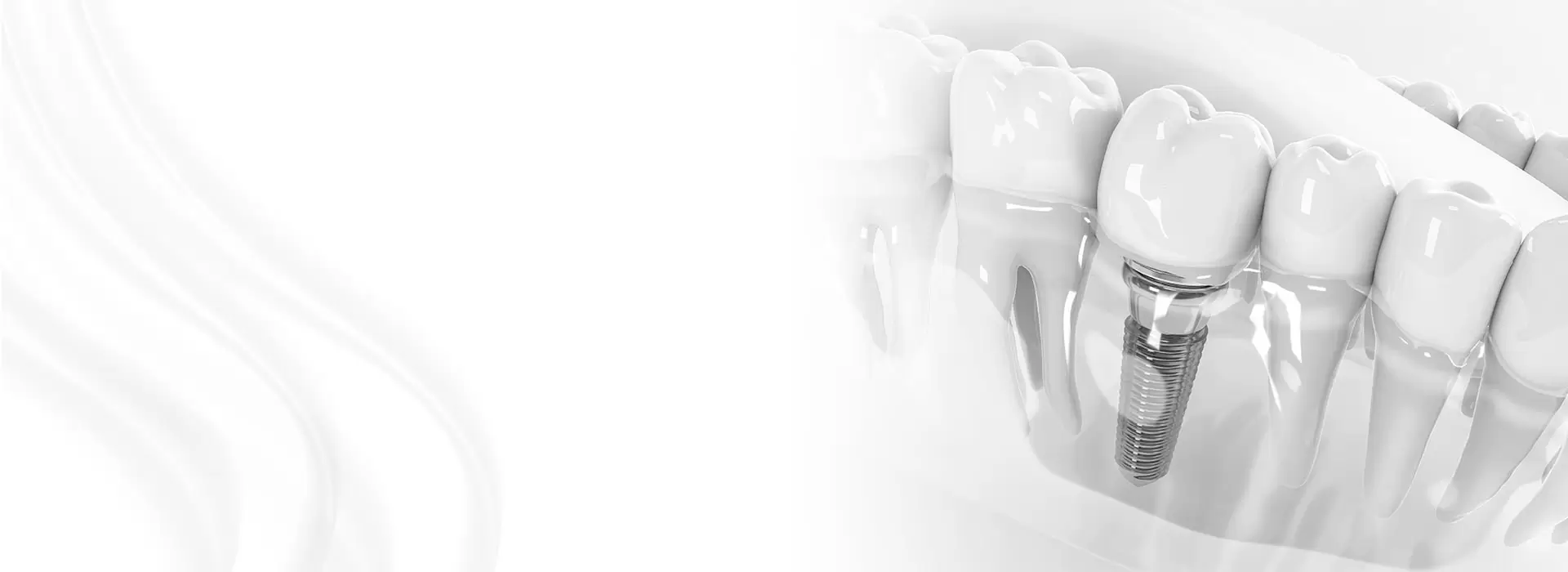
A damaged tooth may sometimes be restored with bonding, a filling, a crown, or another protective solution. If a tooth is missing or cannot be retained, dental implants may form part of a later rehabilitation plan. The appropriate option depends on bone support, gum health, the location of the tooth, and the patient’s overall needs.
Emergency care can also address problems with existing dental work. A loose crown, broken veneer, displaced bridge, or irritating aligner attachment should be examined rather than repaired with household glue. Improvised repairs can damage the tooth and make professional treatment more difficult.
Practical Steps For Handling A Dental Emergency
- Call a dental clinic as soon as severe pain, swelling, trauma, or persistent bleeding develops.
- Explain the symptoms clearly, including when they began and whether fever or facial swelling is present.
- Bring any broken restoration or knocked-out tooth in a safe, moist container.
- Avoid chewing on the affected side and do not place objects inside a wound.
- Share your medications, allergies, medical conditions, and recent dental treatment with the dental team.
Choosing Prompt And Personalized Care
A suitable urgent dental clinic should be able to assess pain, infection, dental trauma, and damaged restorations efficiently. It should also explain the immediate treatment, possible alternatives, expected costs, and any follow-up required. Clear communication is particularly important when anxiety or severe discomfort makes decision-making harder.
At TruDent Clinics, emergency assessment can be connected with broader general and aesthetic dentistry services in Izmir. Once the immediate problem is controlled, the team can discuss restorative options, gum care, implants, crowns, or other treatments that support a stable and natural-looking result. Each plan should reflect the condition of the mouth rather than follow a standard formula.
If you are experiencing severe tooth pain, swelling, dental trauma, or another urgent concern, contact TruDent Clinics to arrange an emergency dental consultation in Izmir. Prompt evaluation can relieve discomfort, protect the affected tooth, and give you a clear path toward lasting oral health.