How Long Porcelain Veneers Last With Proper Care
Porcelain veneers commonly last around 10 to 15 years when they are fitted carefully and maintained well. Some patients enjoy their veneers for 15 to 20 years or longer, while others may need an earlier replacement because of grinding, accidental damage, gum changes or problems with the underlying tooth. Their lifespan depends on both the quality of treatment and everyday habits.
For Australian patients considering a smile makeover in Izmir, Turkey, understanding maintenance is just as important as comparing veneer materials and treatment costs. Veneers are designed to look natural and resist staining, but they still require regular dental care, sensible eating habits and professional reviews after treatment.
What Determines Veneer Longevity
The condition of the tooth beneath the veneer has a major effect on how long it remains successful. Healthy enamel, stable gums and a well-balanced bite give the porcelain a secure foundation. If a tooth has untreated decay, an old leaking filling or gum inflammation, these problems should be managed before cosmetic treatment begins.
The design and bonding process also matter. A veneer that fits accurately, covers the planned surface and is bonded under controlled conditions is less likely to chip or loosen. An experienced cosmetic dentist will assess your bite, tooth proportions, gum line and facial features rather than applying the same design to every patient.
Porcelain is strong and highly resistant to staining, but it is not indestructible. A veneer may fracture after a blow to the mouth, a fall during sport or pressure from clenching. Patients who play Australian rules football, rugby or contact sports should discuss a custom mouthguard with their dentist.
Daily Care For A Longer-Lasting Smile
Care for porcelain veneers is similar to care for natural teeth. Brush twice daily with a soft-bristled toothbrush and fluoride toothpaste, clean between the teeth each day, and attend regular check-ups. Flossing or using interdental brushes helps reduce plaque around the edges, where gum irritation can eventually affect the appearance and stability of the restoration.
Veneers do not usually stain like natural enamel, although the teeth beside them can darken over time. Limiting frequent exposure to coffee, black tea, red wine and tobacco can help your whole smile remain even in colour. This is especially relevant for Australians who enjoy café coffee in Melbourne, Sydney or Brisbane as part of their daily routine.
Avoid using teeth as tools to open packets, cut thread or hold objects. Hard lollies, ice cubes and unpopped popcorn kernels can create sudden pressure on porcelain. Crunchy foods do not need to be eliminated completely, but it is sensible to cut very hard items into smaller pieces and chew with the back teeth.
Habits That Can Shorten Their Life
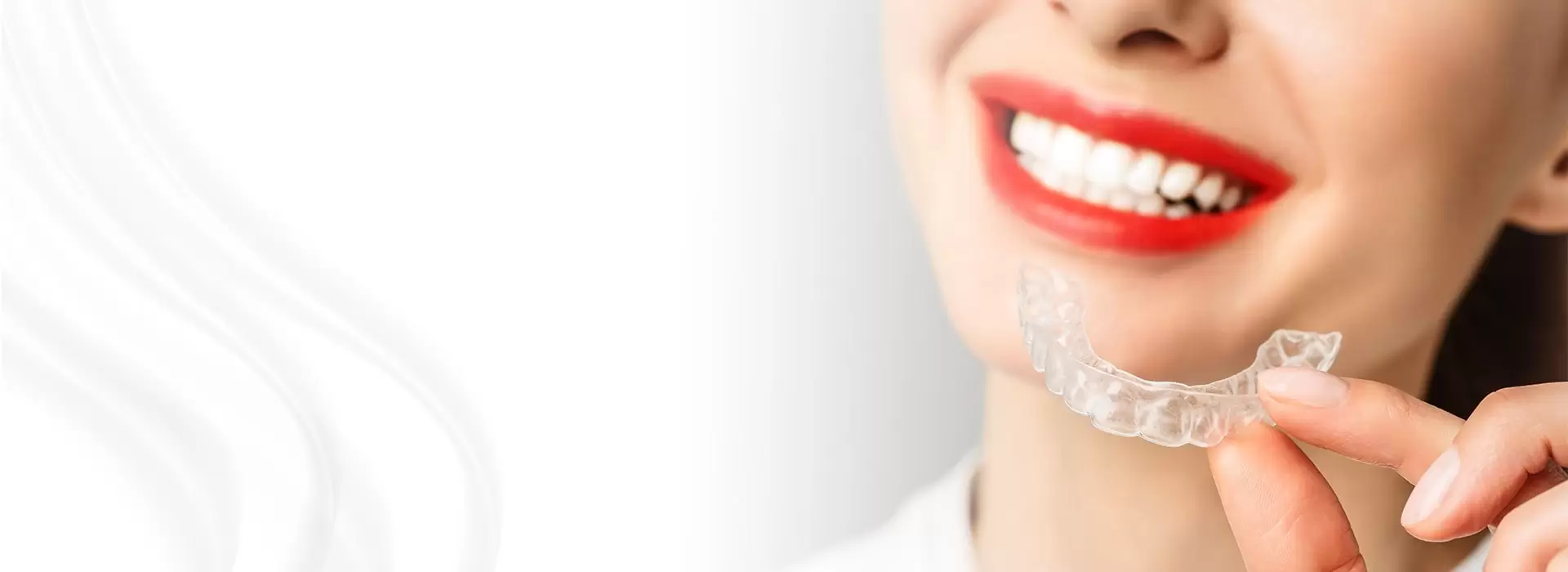
Bruxism, or nighttime grinding and clenching, is one of the most common threats to veneers. Repeated pressure can cause small cracks, edge chipping or loosening. Signs may include morning jaw soreness, headaches, worn natural teeth or a partner noticing grinding sounds. A protective night guard can reduce stress on both veneers and natural teeth.
Jaw tension can also be linked with temporomandibular joint problems. In selected cases, a dentist may discuss botulinum toxin injections as part of a broader plan for muscle-related jaw discomfort or cosmetic concerns. This is not a replacement for diagnosing the cause of grinding, checking the bite or treating dental disease.
Acidic drinks and frequent snacking can contribute to enamel erosion around untreated areas, while poor cleaning may lead to gum recession. Although porcelain itself is resistant to many stains and acids, the tooth structure and gum tissue around it still need protection. Water after acidic drinks and keeping sugary foods to mealtimes can support better oral health.
Signs A Veneer Needs Attention
A veneer that feels rough, moves, changes position or catches floss should be checked promptly. Do not try to glue it back yourself, as household adhesives can damage the tooth and make professional repair more difficult. Keep any detached piece and contact a dentist for advice as soon as possible.
Sensitivity, swelling, bleeding gums or a darkening tooth beneath a veneer may indicate a problem that is separate from the porcelain. Sometimes the veneer can be repaired, but a replacement may be needed if it is fractured, the bond has failed or decay has developed underneath. Early assessment may prevent a small issue from becoming a more complex restoration.
A replacement is not always a sign that the original treatment was poor. Mouths change over time, gums can recede naturally and biting forces may alter. New veneers may also be considered when a patient wants a different shape, shade or smile design. A careful assessment should distinguish cosmetic preference from a genuine structural or oral health concern.
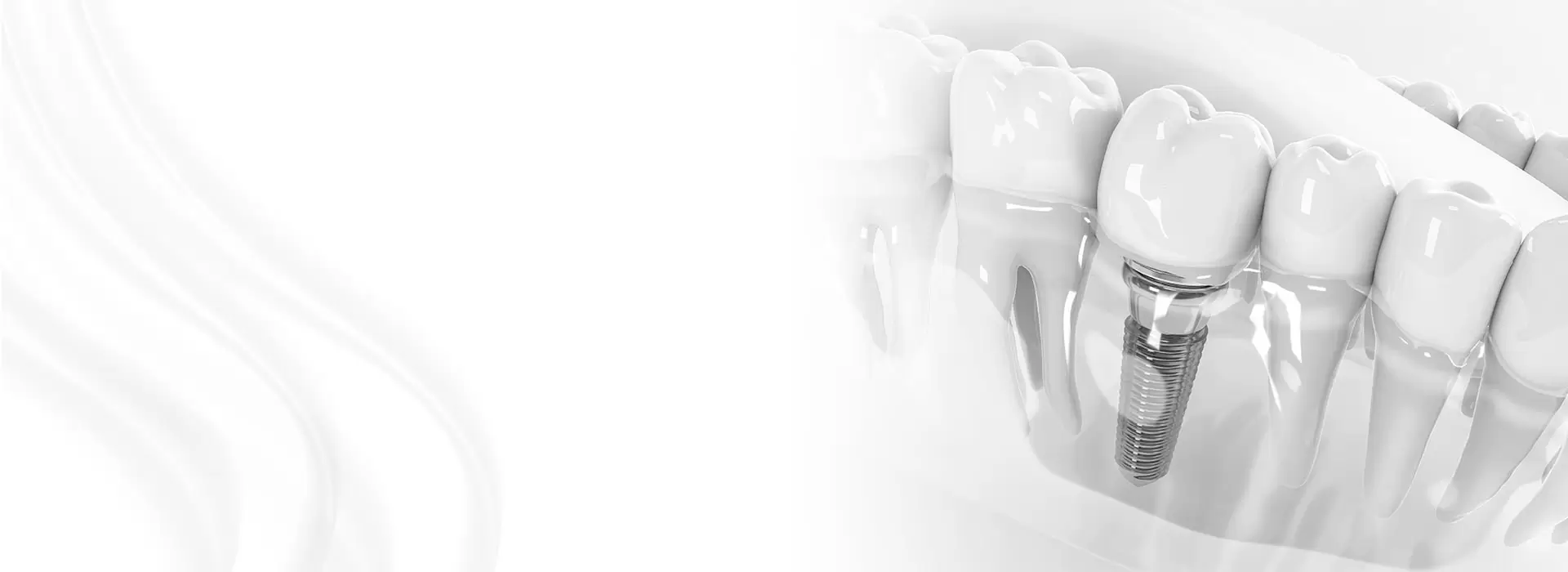
If veneers are being considered alongside dental implants, each treatment needs its own planning. An implant may replace a missing tooth, while veneers improve the visible surfaces of healthy teeth. Patients can read about implant nerve safety when researching the surgical planning involved in implant care.
Planning Treatment For Australian Patients
A consultation should cover the expected lifespan, preparation required, maintenance schedule and what happens if a veneer chips after you return home. Patients travelling from Perth, Adelaide, Canberra or other parts of Australia may need to plan enough time in Izmir for examination, design, fitting and any necessary review. The exact schedule depends on oral health and the chosen treatment.
Australian private health insurance extras commonly provides limited or no cover for purely cosmetic veneers, and Medicare generally does not cover routine adult dental treatment. Policies differ, so check your insurer before budgeting. Ask for a written treatment plan that separates clinical procedures, laboratory costs, follow-up appointments and any additional work such as fillings or gum treatment.
Useful questions to raise during a consultation include:
- How much natural enamel will be preserved?
- Are porcelain veneers suitable for my bite?
- Will I need a night guard?
- What follow-up support is available after returning to Australia?
Before travelling, gather relevant dental records and disclose grinding, previous crowns, gum disease, allergies and medications. If you have an established dentist in Australia, ask whether they can review your oral health before departure. After treatment, keep copies of photographs, treatment notes and material details for future dental appointments.
A practical care routine can include:
- Brushing gently with fluoride toothpaste
- Cleaning between teeth every day
- Wearing a sports or night guard when advised
- Booking regular examinations and hygiene visits
The best result is one that still looks natural years later and fits comfortably with your normal life. TruDent Clinics can assess your smile, discuss porcelain veneers and create a personalised plan that takes your oral health, aesthetic goals and travel arrangements into account. Schedule a consultation to explore the most suitable way to protect and maintain your new smile.