Zirconia Crowns vs Porcelain: Which Lasts Longer?
Choosing a dental crown involves more than comparing appearance and price. The material affects how long the restoration may serve you, how it feels when you bite, and how naturally it blends with the surrounding teeth. Zirconia and porcelain are both widely used, but they behave differently in everyday conditions.
In general, a well-made zirconia crown may last around 10 to 15 years, and sometimes longer with excellent care. Porcelain crowns can also last 10 to 15 years, although their lifespan varies according to the type of porcelain, the tooth being restored, bite pressure and oral hygiene. A consultation is essential because the strongest option is not automatically the best aesthetic choice for every patient.
What Zirconia And Porcelain Crowns Are
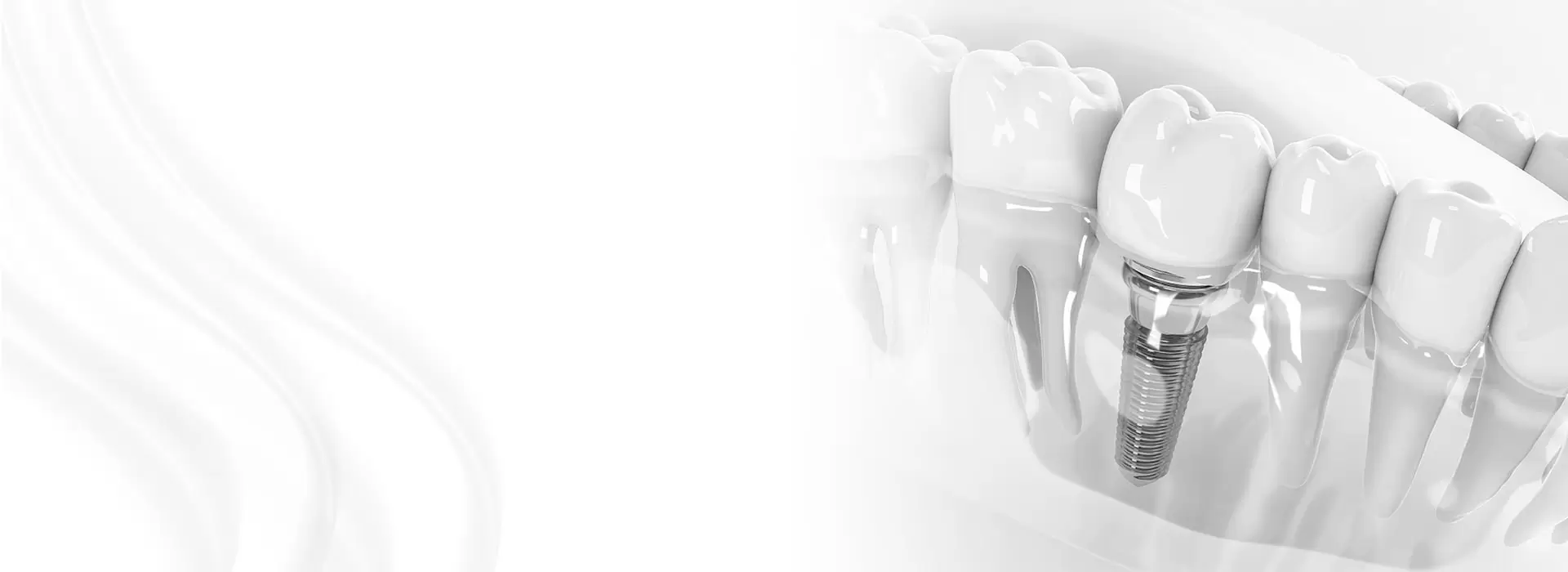
Zirconia is a strong ceramic made from zirconium dioxide. It is milled from a solid block using digital dental technology, then adjusted and bonded over a prepared tooth or used with an implant. Modern translucent zirconia can provide a lifelike appearance while retaining considerable resistance to cracking and chipping.
“Porcelain crown” can describe more than one product. Traditional porcelain-fused-to-metal crowns contain a metal substructure covered by tooth-coloured porcelain. All-ceramic crowns use porcelain or another glass-based ceramic without metal. These materials can offer excellent translucency, especially for front teeth, but some varieties are more vulnerable to fracture than zirconia.
The choice may therefore depend on whether you need a front tooth restoration, a molar crown, an implant crown or a full smile makeover. A dentist will also assess the remaining tooth structure, gum position, bite alignment and the colour of neighbouring teeth.
Expected Lifespan Of Each Crown Material
A zirconia crown commonly provides about 10 to 15 years of service. Some remain functional for considerably longer when the tooth underneath is healthy and the crown is properly designed, fitted and maintained. Zirconia is especially useful for back teeth because it tolerates strong chewing forces and is less likely to fracture than many conventional ceramic options.
Porcelain crowns also have a typical service life of approximately 10 to 15 years. Their long-term performance can be excellent, but porcelain may be more likely to chip, craze or fracture under heavy biting forces. Porcelain-fused-to-metal crowns have a strong foundation, although the visible porcelain layer can wear or chip over time.
These figures are averages rather than guarantees. A crown can fail earlier if decay develops at the margin, the tooth cracks, the cement loosens or the patient regularly grinds their teeth. Conversely, a carefully planned restoration may continue working well beyond the usual estimate.
Why Zirconia Often Performs Well
The principal advantage of zirconia is strength. It can withstand substantial compressive forces, making it a practical option for molars and patients who clench or grind. Its metal-free structure also avoids a dark metal line at the gum, which may become visible if the gum recedes.
Zirconia is highly resistant to corrosion and does not absorb fluids in the same way as some materials. A polished zirconia surface can be gentle on opposing teeth, provided the crown is carefully adjusted. Dental laboratories can also layer or stain the material to improve its colour and character.
There are limits. Very opaque zirconia may look less natural than high-translucency porcelain when placed at the front of the mouth. Poorly polished or incorrectly adjusted zirconia can contribute to wear on the opposing tooth. The skill of the dentist and laboratory remains just as important as the material itself.
When Porcelain May Be The Better Choice
Porcelain is valued for its optical qualities. It can reproduce the subtle translucency, texture and colour variation found in natural enamel. This makes it attractive for visible front teeth, especially when a patient wants a refined result as part of a smile makeover or veneer treatment.
All-ceramic porcelain may be suitable where appearance is the main priority and biting forces are moderate. It can also be selected when the dentist needs to match adjacent natural teeth precisely. Porcelain-fused-to-metal remains a dependable option in certain situations, particularly where a strong underlying structure is needed.
The potential weakness is brittleness. A porcelain crown can chip if it receives sudden impact or repeated excessive force. Patients with bruxism may need a night guard, regardless of whether they choose zirconia or porcelain. A detailed bite assessment helps balance cosmetic goals with practical durability.
Factors That Shape Crown Longevity
The material is only one part of the lifespan equation. The condition of the supporting tooth, the accuracy of the fit and the stability of the gums can have an equal or greater effect. Useful factors to discuss at a dental consultation include:
- Location of the crown and the pressure placed on it
- Presence of tooth grinding, clenching or an uneven bite
- Amount of healthy tooth structure remaining
- Quality of bonding, laboratory work and final adjustment
Daily habits also influence whether a crown reaches its expected service life. Crowns cannot develop cavities themselves, but plaque can cause decay around their edges. Gum inflammation may expose the margin and make the restoration appear uneven or become less secure.
Protective habits include:
- Brush twice daily with fluoride toothpaste
- Clean between teeth with floss or interdental brushes
- Avoid using crowns to open packaging or bite hard objects
- Attend regular examinations and professional cleans
Care And Maintenance In Australia
Australians often balance dental treatment with private health insurance, work schedules and travel between metropolitan and regional areas. Most routine crown care is generally arranged through private dental services, while Medicare does not usually cover standard adult dental crowns. Extras cover may contribute depending on the policy, waiting periods and annual limits, so patients should check their insurer before treatment.
Patients in Sydney, Melbourne, Brisbane, Perth or Adelaide may have access to several dental laboratories and specialist services, while people travelling from regional areas may prefer to organise examinations and follow-up visits together. If treatment is planned overseas, it is important to allow time for records, temporary crowns, final fitting and any necessary review after returning to Australia.
Australia’s café culture and frequent consumption of coffee, tea, wine or strongly coloured foods can contribute to staining around natural teeth, although zirconia itself is highly stain-resistant. Porcelain is also resistant to surface staining when maintained properly. Good brushing, professional cleaning and avoiding tobacco help the crown blend with neighbouring teeth for longer.
Australian patients should also consider emergency access. A cracked crown, swelling or severe pain may require prompt assessment by a local dentist, even if the original restoration was placed abroad. Keeping copies of dental records, crown details and radiographs can make follow-up care more efficient.
Comparing Appearance, Comfort And Cost
Zirconia crowns are often chosen for their strength and clean, metal-free appearance. Depending on the type used, they can look very natural, although the most durable varieties may have a slightly different optical quality from premium porcelain. Digital scanning and computer-aided manufacturing can improve consistency and reduce adjustments.
Porcelain can offer exceptional aesthetic integration, particularly on front teeth. It may reflect light in a way that closely resembles enamel. However, achieving that result requires careful shade selection, photography, laboratory communication and final placement. A beautiful material cannot compensate for poor fit or an unsuitable design.
The total cost of a crown depends on the clinic, laboratory, preparation required, temporary restoration, imaging and whether additional procedures are needed. Prices in Australia can vary significantly between cities and providers. Travelling to Turkey may appear cost-effective for some patients, but the full budget should include flights, accommodation, time away from work and follow-up care. A lower initial fee should never replace proper clinical planning.
Selecting A Crown With TruDent Clinics
At TruDent Clinics in Izmir, crown planning can be tailored to the tooth’s function, the patient’s smile goals and the condition of the surrounding teeth. The assessment may include a clinical examination, digital scans, photographs and imaging where appropriate. These details help determine whether zirconia, porcelain or another restoration is the most sensible option.
Zirconia may be recommended for molars, heavy biting forces or implant-supported restorations. Porcelain or another highly aesthetic ceramic may be considered for selected front teeth where translucency and shade matching are especially important. The final recommendation should account for gum health, bite behaviour, existing fillings and any signs of grinding.
Patients considering treatment from Australia can discuss the proposed sequence before travelling, including consultation, tooth preparation, temporaries, laboratory production and fitting. Clear communication about the number of visits and aftercare arrangements helps make the process more predictable.
A crown is intended to restore function as well as appearance. With the right material, accurate preparation and consistent maintenance, either zirconia or porcelain can provide many years of comfortable service.
Book a consultation with TruDent Clinics to receive a personalised assessment of your tooth, bite and smile goals. The team can explain the expected lifespan, appearance, treatment stages and suitable crown options before you make a decision.