How long does a dental implant actually last with proper care
Dental implants have quietly become one of the most requested tooth replacement options across Australia. From busy professionals in Sydney's CBD to retirees enjoying weekends along the Mornington Peninsula, more adults are choosing titanium posts over traditional dentures or bridges. The appeal is straightforward: a fixed solution that looks, feels, and functions like a natural tooth. Yet the question that comes up in nearly every consultation is the same. How many years can a patient realistically expect from an implant, and what does "proper care" actually involve?
Most manufacturers back their implant fixtures with decade-long guarantees, and many patients on the Gold Coast or in Adelaide report successful outcomes stretching fifteen years and beyond. Longevity is rarely a matter of luck. It reflects a combination of surgical precision, the patient's daily hygiene routine, lifestyle choices, and regular professional maintenance. Understanding these factors helps Australians set realistic expectations and protect their investment for the long run.
The science behind implant longevity
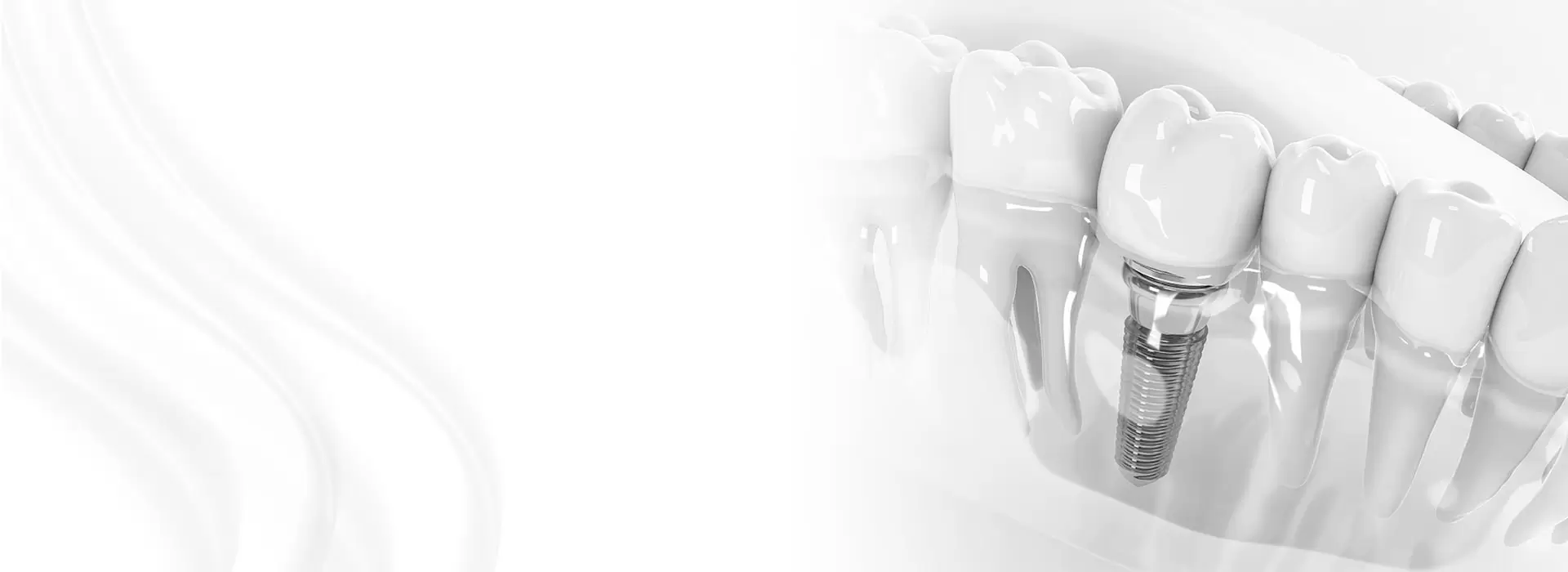
A dental implant is more than a screw topped with a crown. The fixture, typically crafted from medical-grade titanium, is designed to fuse directly with the jawbone through a process called osseointegration. Once that bond forms, it can support biting forces comparable to those of a natural tooth for decades.
The strength of that bond depends heavily on bone density, which is why some Australian patients with osteoporosis or significant bone loss require grafting procedures before placement. Age alone is not a barrier. Plenty of patients in their seventies in Brisbane or Perth undergo successful implant surgery and enjoy stable results for the remainder of their lives. What matters most is the body's ability to heal and the quality of bone available at the implant site.
An implant essentially mimics the natural tooth root. The fixture sits within the jawbone where the original root once was, the abutment connects through the gum line, and the crown restores the visible portion above. This three-part structure distributes chewing forces deep into the bone, which helps preserve facial structure over time. Patients who have worn full upper dentures for years often notice subtle sagging around the mouth and lips. Switching to implant-supported teeth can reverse that sunken appearance because the bone continues to receive the stimulation it needs to maintain its volume.
Modern surface treatments, such as micro-roughened or hydrophilic coatings, have dramatically accelerated healing times and improved long-term stability. When placed by an experienced clinician and cared for properly, success rates above 95 percent over ten years are widely reported in peer-reviewed literature.
Daily habits that extend implant life
Think of an implant as a long-term investment in your oral health. The crown may need replacement after fifteen to twenty years due to everyday wear, but the titanium post itself can last a lifetime with the right maintenance. Australians who treat their implants like natural teeth tend to enjoy the best outcomes.
A solid home routine includes brushing twice daily with a soft-bristled brush, flossing with implant-friendly floss or interdental brushes, and rinsing with an alcohol-free mouthwash. Many dentists in Melbourne and Canberra now recommend water flossers for patients with implants, since they clean around the abutment more gently than traditional string floss.
Dietary habits play a surprising role as well. Constant exposure to acidic sports drinks, sugary iced coffees enjoyed during the morning commute, or the sticky lamingtons shared at weekend gatherings can erode the surrounding gum tissue or compromise the cement holding a crown in place. Patients who drink water after sugary treats and avoid using their implants to crack nuts or open packaging usually see fewer complications.
Lifestyle factors influence implant success more than many patients realise. Smoking constricts blood flow to the gums and slows the healing process, which can compromise osseointegration during the critical first months. Patients in Hobart or Perth who smoke are often advised to quit at least two weeks before surgery and to stay smoke-free during recovery. A balanced diet rich in calcium and vitamin D supports the bone remodelling that keeps implants secure.
Comparing implant types and their realistic lifespans
Not all implants are created equal. Different designs suit different clinical situations, and understanding the options helps Australian patients make informed choices. Dentists typically recommend a specific system based on bone density, aesthetic priorities, and the number of teeth requiring replacement.
| Implant Type |
Average Lifespan |
Best Suited For |
Key Consideration |
| Standard titanium |
20+ years |
Single or multiple missing teeth |
Most researched option with proven long-term data |
| Zirconia ceramic |
15-20 years |
Patients with metal sensitivities or thin gums |
Aesthetic choice for front teeth, slightly higher fracture risk |
| Mini implants |
10-15 years |
Lower-density bone or narrow jaw ridges |
Less invasive placement, generally used for denture stabilisation |
| All-on-4 full arch |
15-20 years |
Patients missing most or all teeth |
Requires fewer grafts but precise surgical planning |
The figures above represent averages rather than guarantees. A zirconia implant in a healthy non-smoker can easily match the longevity of a titanium one, while a poorly placed titanium implant in a heavy smoker can fail within a few years regardless of its design. Surgical skill and aftercare tend to matter more than the brand on the box.
Professional maintenance and follow-up care
Even the most diligent brusher needs a professional eye from time to time. Regular reviews allow the dental team to monitor bone levels around each implant using low-radiation 3D imaging, catch early signs of peri-implantitis, and adjust occlusion if the bite has shifted.
Australians with private health cover that includes major dental often find that annual implant reviews are covered, though annual limits vary between insurers such as Bupa, Medibank, and HCF. Patients should check their policy's annual maximum and any waiting periods that apply before scheduling extensive work. Those eligible for the Child Dental Benefits Schedule will not find implants covered, as the scheme applies only to general dental care for eligible children.
Digital workflows have made follow-up care more precise. Many Australian clinics now use intra-oral scanners at every review to compare current gum contours against baseline scans taken shortly after surgery. Any subtle recession or bone change becomes visible long before it would be noticed in a mirror.
A typical maintenance visit includes gentle probing around each implant to check for bleeding or pocketing, professional cleaning with non-metallic instruments, and an updated set of photographs or radiographs when warranted. The appointment rarely takes longer than thirty minutes, but it can add years to the life of an implant.
When repairs or replacements might be needed
No restoration lasts forever without occasional intervention. Crowns on implants face daily chewing forces that gradually wear the biting surface, especially for patients who grind their teeth at night. A custom night guard usually prevents premature wear, but a crown replacement after ten to fifteen years is considered normal upkeep rather than failure.
True implant failure is much rarer and usually appears within the first year as the bone fails to integrate properly. Later failure typically traces back to peri-implantitis, an inflammatory condition triggered by bacterial biofilm. Smokers and patients with uncontrolled diabetes face a higher risk, which is why many clinics recommend addressing these factors before surgery.
When signs such as persistent bleeding, loosening, or swelling appear, timely intervention preserves both the implant and the surrounding bone. Readers researching treatment options abroad sometimes consult resources like Dr Cetin Clinic for comparative perspectives on implant protocols, though Australian-registered specialists remain the safest starting point for local patients.
Ready to find out whether implants are the right choice for your smile? TruDent Clinics in Izmir creates personalised treatment plans for Australian travellers seeking high-quality cosmetic and restorative dentistry abroad, often at a fraction of local prices. Explore teeth whitening and other cosmetic options that pair beautifully with implant work, or reach out today to schedule a virtual consultation and take the first step toward a confident, lasting smile.