How Long Does It Take to Recover from Dental Implant Surgery?
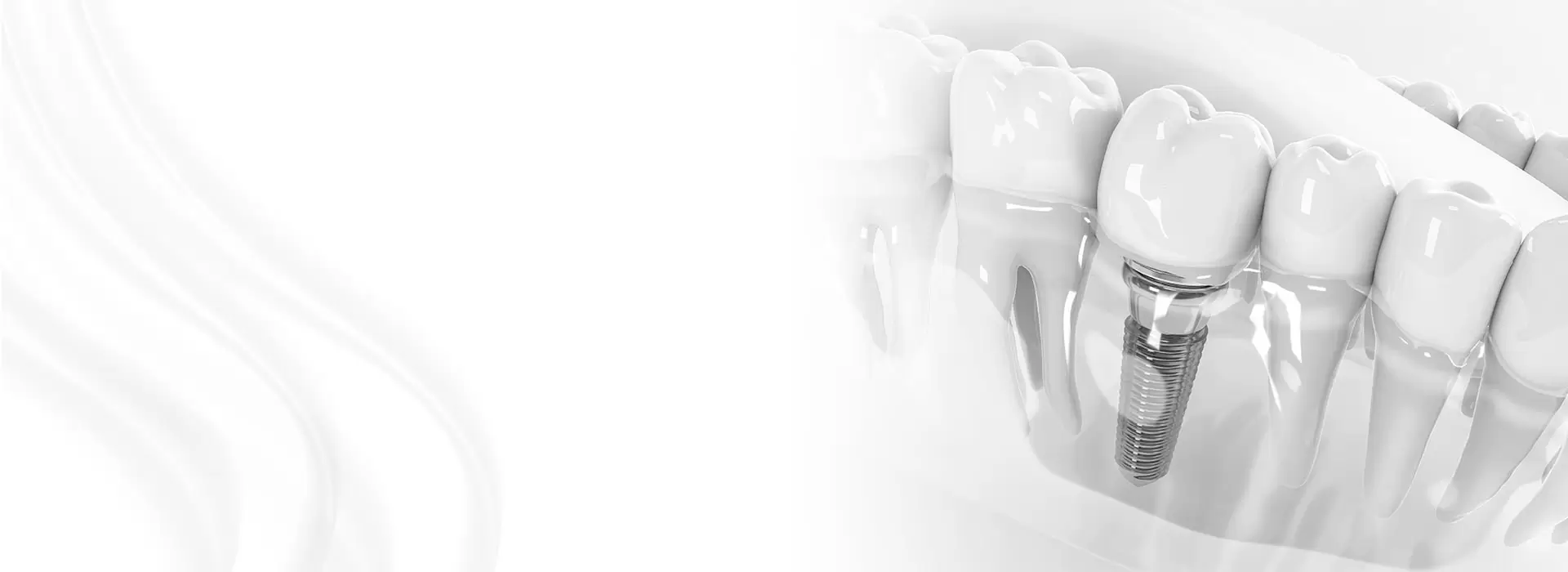
Dental implant surgery is a carefully planned procedure that replaces a missing tooth with an artificial root, usually made from titanium, and a dental crown or other restoration. The visible discomfort after surgery often improves within a few days, but the deeper healing process takes longer because the implant must bond with the jawbone.
Most patients can return to light daily activities within one to three days. Complete recovery, however, depends on the type of implant treatment, the condition of the jawbone, whether bone grafting was required, and the body’s natural healing response. A dentist can provide a more accurate timeline after examining your teeth, gums, and scans.
At TruDent Clinics in Izmir, treatment planning is tailored to each patient’s oral health and aesthetic goals. A consultation can clarify whether a single implant, multiple implants, an immediate implant, or a staged approach is most appropriate.
What Recovery Usually Looks Like
The recovery period has two parts. The first is soft-tissue healing, which includes the gums closing around the surgical area and swelling settling. This stage commonly takes one to two weeks, although tenderness can last slightly longer in some cases.
The second stage is osseointegration, the process in which the implant fuses with the surrounding jawbone. This usually takes around three to six months. The implant may feel comfortable before this process is complete, but the final crown should be fitted only when the implant has achieved sufficient stability.
Some patients receive a temporary tooth during healing, while others wait until the implant is fully integrated. Immediate-load implants may allow a temporary restoration on the same day or shortly afterward, but this option is suitable only when bone quality, implant stability, and bite forces meet specific clinical requirements.
The First 24 To 72 Hours
Mild bleeding, swelling, bruising, jaw stiffness, and sensitivity are common during the first few days after implant placement. Swelling often reaches its highest point around the second or third day before gradually improving. Discomfort is generally manageable with medication prescribed or recommended by the dental team.
Keeping the head slightly elevated while resting and applying a cold compress during the first day may help reduce swelling. Patients should avoid strenuous exercise, smoking, alcohol, and very hot foods or drinks during the early healing period because these can irritate the surgical site or interfere with clot formation.
Soft, cool foods such as yogurt, eggs, soup that has cooled, mashed vegetables, and smoothies without a straw are usually easier to manage. Chewing should take place away from the implant area, and the mouth should be kept clean according to the dentist’s instructions. Vigorous rinsing or disturbing the wound can delay healing.
Healing During The First Weeks
By the end of the first week, many people experience a clear improvement in pain and swelling. The gums may still feel sensitive, and dissolvable stitches may remain in place. If non-dissolvable sutures were used, the clinic will arrange a suitable time for removal.
A gradual return to normal eating is usually possible as comfort improves, but hard, sticky, or crunchy foods should be avoided around the implant until the dentist confirms that the area is ready. Excellent oral hygiene remains essential. Brushing should be gentle near the surgical site, and any prescribed mouth rinse should be used exactly as directed.
A follow-up appointment allows the dentist to assess gum healing, check for infection, and review the stability of the implant. This appointment is also an opportunity to discuss temporary restorations, cleaning techniques, and the next stage of the treatment plan.
Recovery Timelines By Treatment Stage
The length of recovery varies depending on whether the procedure involves a straightforward implant or additional surgery. The following estimates describe common patterns rather than guaranteed results.
| Treatment stage |
Common short-term recovery |
Longer healing phase |
| Single dental implant |
Two to seven days of noticeable tenderness or swelling |
Around three to six months for bone integration |
| Multiple implants |
Several days to two weeks of soft-tissue recovery |
Around three to six months, sometimes longer |
| Implant with tooth extraction |
Similar early discomfort, depending on the extraction |
Bone and gum healing may require additional time |
| Bone graft with implant treatment |
Swelling and sensitivity may last longer |
Graft maturation can take several months before implant placement |
| Temporary immediate-load restoration |
Initial recovery still takes several days |
Final restoration is placed after stability is confirmed |
| Full-arch implant treatment |
A more extensive early recovery period |
Healing and final prosthesis planning may extend over several months |
Bone grafting and sinus lift procedures can add time to the treatment process. In some cases, the graft must heal before the implant is placed. In other situations, implant placement and grafting can be completed during the same appointment. The decision depends on bone volume, sinus anatomy, infection risk, and the planned restoration.
Factors That Can Affect Healing
Individual healing time is influenced by general health, oral hygiene, smoking, diabetes control, medications, and the presence of gum disease. Smoking can reduce blood flow and increase the risk of implant complications, while poorly controlled diabetes may slow wound healing. Patients should provide a complete medical history before surgery.
The location of the implant also matters. Front teeth may involve greater aesthetic sensitivity because the gum contour is visible, while back teeth are exposed to stronger chewing forces. The quality and density of the jawbone can affect initial implant stability and determine whether additional procedures are needed.
Following post-operative instructions is equally important. Maintaining a clean mouth, attending review appointments, avoiding pressure on the implant, and taking prescribed medication correctly can support an uncomplicated recovery. A temporary improvement in comfort does not mean the implant is ready for heavy chewing, so patients should follow the dentist’s timeline rather than rely only on symptoms.
Signs That Need Prompt Dental Attention
Some discomfort is expected, but symptoms that become increasingly severe should be assessed. Contact the dental clinic promptly if swelling continues to worsen after the first few days, pain is not controlled by recommended medication, or bleeding does not settle with gentle pressure.
Fever, pus, a persistent unpleasant taste, severe difficulty opening the mouth, numbness that does not improve, or an implant that feels loose also requires professional attention. A loose implant during the integration phase should never be ignored because movement can affect the connection between the implant and the jawbone.
Urgent care may be needed for difficulty breathing or swallowing, rapidly spreading swelling, or signs of a serious allergic reaction. Patients should not remove stitches, apply unapproved products, or begin antibiotics without professional advice.
Practical Ways To Support Recovery
A few simple habits can make the healing period more comfortable and help protect the implant site:
- Follow the clinic’s medication, rinsing, and cleaning instructions precisely.
- Choose soft foods and avoid chewing directly over the implant while the area is tender.
- Avoid smoking and vaping during healing, and discuss cessation support with the dental team if needed.
- Attend every follow-up appointment so gum healing and implant stability can be monitored.
- Protect the implant from unnecessary pressure, including heavy exercise or teeth grinding when advised.
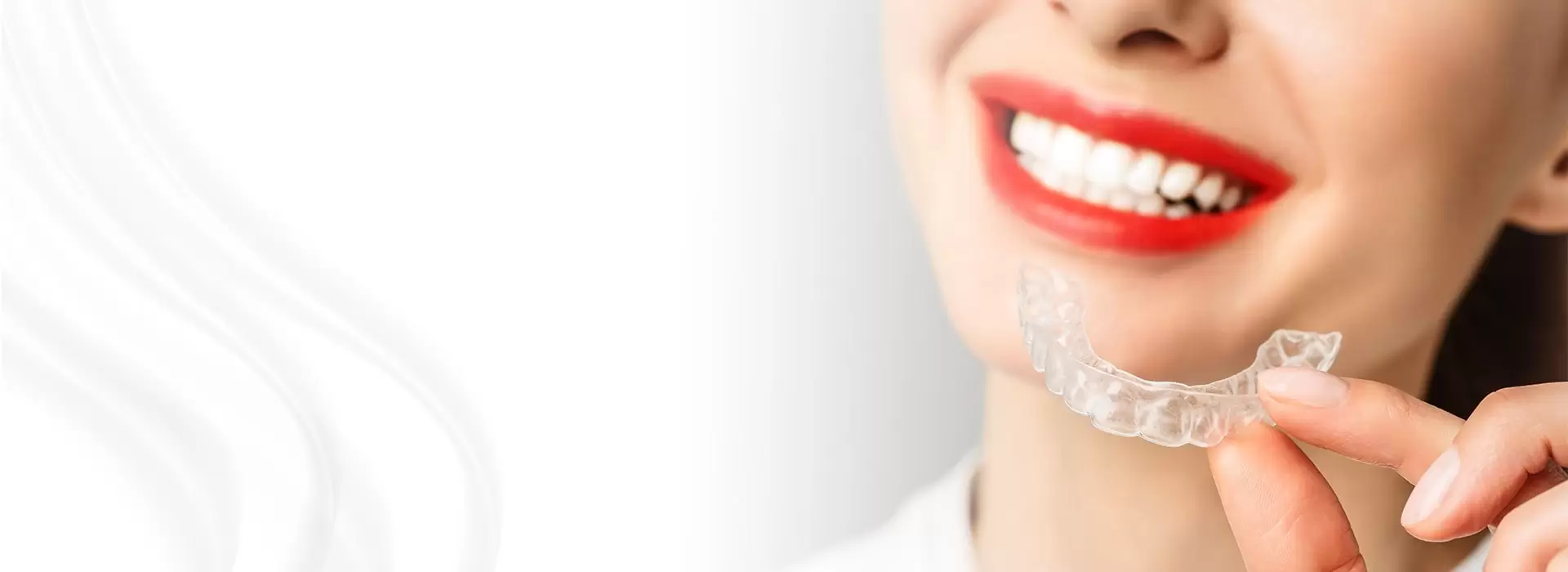
It is also helpful to plan the procedure at a time when one or two quieter days are available. Most people do not need extended time away from work, but physically demanding jobs may require a longer break. Patients who grind their teeth may need a night guard or additional bite management to protect the developing implant restoration.
The best answer to how long dental implant recovery takes comes from a personalized assessment. A dentist must consider the surgical technique, bone condition, gum health, restoration plan, and medical history before estimating the full timeline.
TruDent Clinics can assess your needs in Izmir, explain each stage of implant treatment, and create a recovery plan suited to your oral health and schedule. Arrange a consultation to discuss dental implants, bone preparation, temporary teeth, and the most appropriate route toward a stable, natural-looking smile.