Avoiding the Usual Pitfalls When Booking Dental Treatment Overseas
More Australians than ever are weighing up overseas options for major dental work. With a single porcelain crown often costing between $1,800 and $2,500 at a private practice in Sydney or Melbourne, the appeal of travelling somewhere like Izmir for the same treatment at a fraction of the price is obvious. Long-haul trips to Turkey used to feel like a big commitment, but with routes through Dubai or Singapore from Sydney, the journey is now within a comfortable weekend-plus-stay for most patients.
The trouble is that not every clinic that markets itself to international patients offers the same standard of care. Social media is full of glossy before-and-after reels, and it can be hard to tell a well-run practice from one that simply knows how to edit a video. Saving money only matters if the work lasts, the materials are legitimate, and there is a real plan for what happens if something goes wrong a month after you land back in Brisbane.
Australians also tend to organise dental trips the same way they organise a Bali surf holiday — booked fast, on a vibe, and with a mate's recommendation thrown in. That casual approach works well for a week at Canggu, but it is a thin basis for choosing somewhere to drill into your teeth. A bit of homework, the right questions, and an understanding of how dental tourism actually works on the ground can save you a world of regret.
This guide walks through the most common missteps patients from Australia make when booking dental work abroad, and how to sidestep each one before you part with a deposit.
Skipping Real Verification of the Clinic's Credentials
The single biggest mistake is taking a clinic at its word based purely on its website. Stock photos of gleaming surgeries and a wall of certificates are easy to assemble. What you need is verifiable evidence that the dentists on staff are actually qualified, registered, and experienced in the procedure you are booking.
Ask for the full name of the dentist who will treat you, then cross-check their registration with the Turkish Ministry of Health database or the Turkish Dental Association. Look for clinics that publish individual practitioner profiles rather than hiding behind a brand. If the clinic only shows a logo and a tagline, treat that as a warning sign rather than a reassurance.
It also pays to confirm that the clinic holds an international health tourism authorisation. In Turkey, only licensed facilities are allowed to actively market to foreign patients, and the list is maintained by the health directorate. A quick check on the clinic's registration number takes a minute and tells you a lot about whether the operation is legitimate or just a rented room above a shop.
Misjudging the Real Cost of Treatment Overseas
The headline price is rarely the price you pay. Many clinics quote per-tooth rates for veneers or crowns but exclude essentials such as consultations, temporary restorations, panoramic x-rays, sedation, or medication. Suddenly the "all-inclusive" package that looked like a bargain compared to your Adelaide dentist is creeping up once you add up the extras.
Get an itemised quote in writing before you book. It should list the number of visits, the type and brand of material, the lab fees, and any post-treatment reviews. Ask whether revisions or adjustments are included if the colour, fit, or bite is not quite right on the first attempt.
Then factor in flights, accommodation, transfers, and the cost of taking extra days off work if recovery takes longer than expected. From Perth, the trip to Izmir typically involves two flights and at least 26 hours of travel each way, so plan for a minimum of seven to ten days on the ground. The maths only works if you have counted every line, not just the one that grabs attention.
Overlooking the Quality of Materials and Lab Partners
Cheap clinics are cheap for a reason, and usually that reason sits in the lab. A zirconia crown made by a respected European or Turkish-certified lab behaves very differently over five years compared to one milled from unbranded material in an unmarked workshop. The patient rarely sees this layer, which is exactly why it gets cut first.
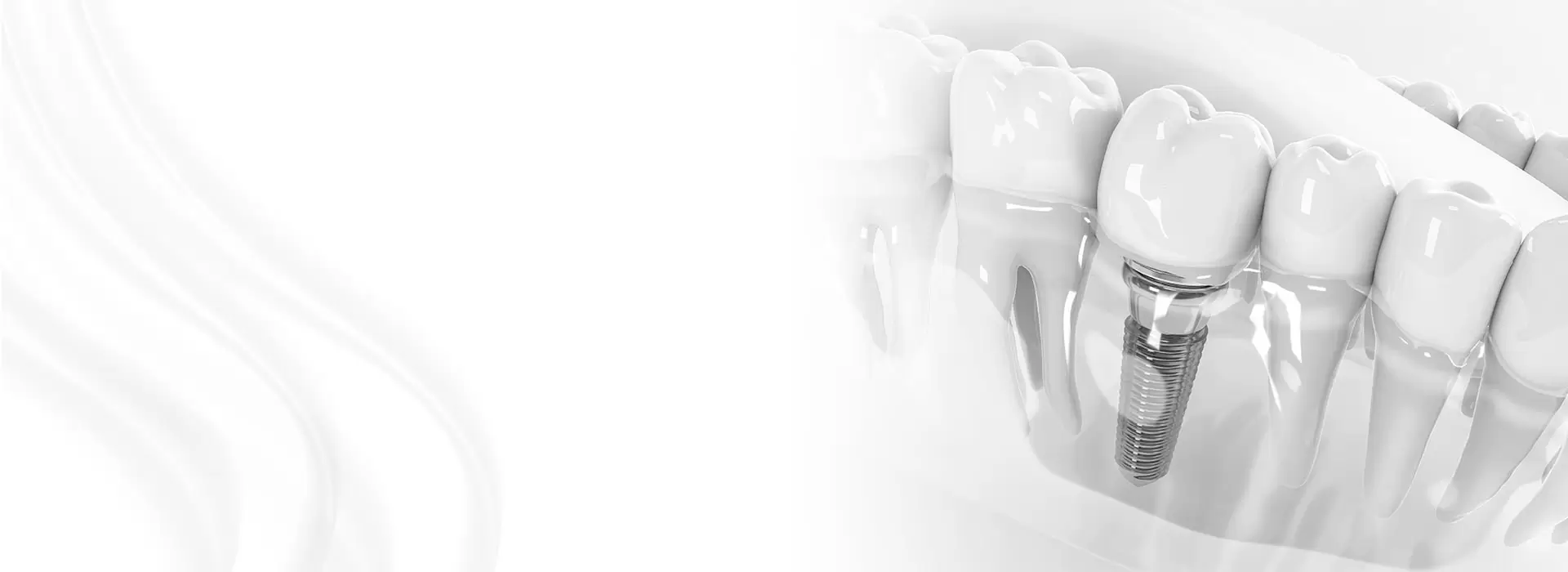
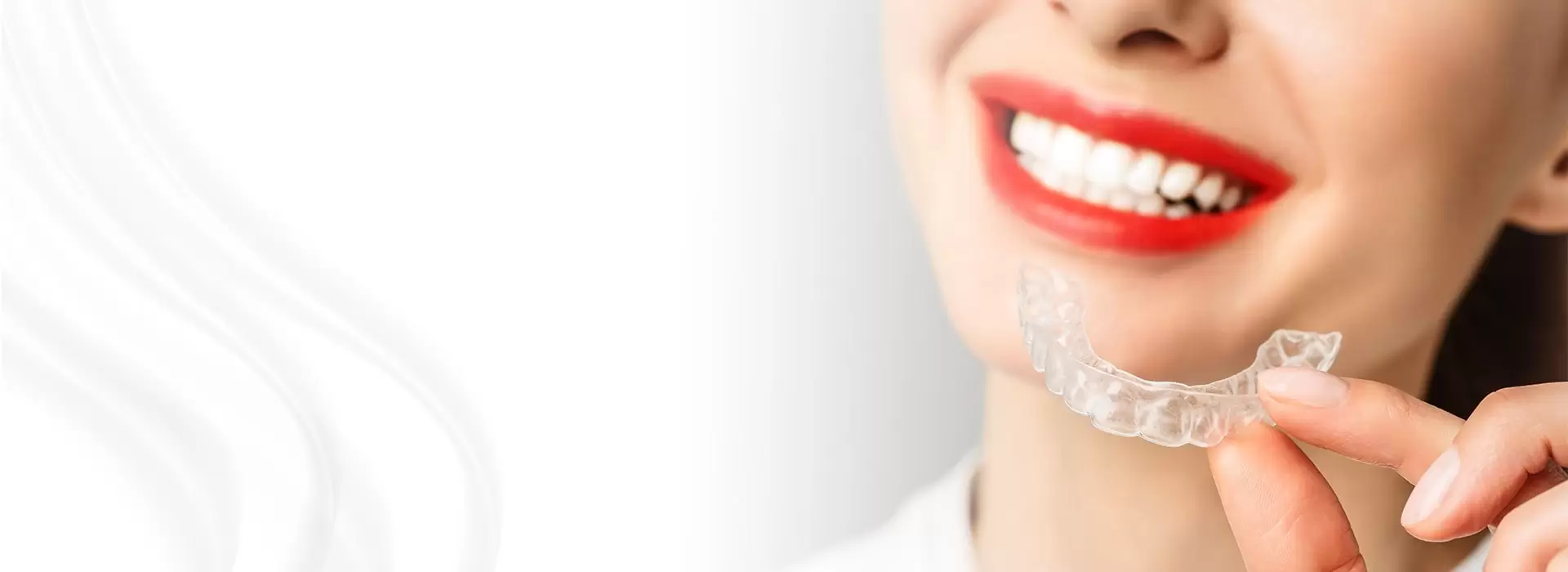
Ask which brand of implant, veneer ceramic, or aligner system the clinic uses, and whether those brands are approved by the TGA equivalent in your home country. Straumann, Nobel Biocare, E.max, and Invisalign are names you can verify independently. If the clinic is vague or substitutes the answer with "we use the best", that is not confidence — it is deflection.
This also matters for supporting treatments. If you are having a smile makeover that includes gum reshaping, for example, make sure the practitioner offering botulinum toxin or surgical correction is properly trained in facial aesthetics rather than just dabbling. You can read about how clinicians fix asymmetrical gums using botox or surgery to understand what a considered treatment plan looks like in practice.
Underestimating Recovery and Travel Logistics
Dental work is not a same-day haircut. After implants, extractions, or full-arch restorations, you can be swollen, bruised, and on a soft-food diet for several days. Booking a return flight 48 hours after major surgery because the price was cheaper is a recipe for a painful transit through Changi or a long stopover in Doha.
Plan for at least three to five days of recovery in the destination before flying home, more if you are having multiple implants or sinus lifts. Arrange accommodation that allows you to rest properly, not a cramped hotel room above a noisy street. A clinic with a recovery suite or a partner hotel with late check-out is worth the small extra cost.
Also consider who is looking after you on the flight. Cabin pressure, dehydration, and immobility all amplify post-surgical discomfort. Bring the medications your dentist recommends in your carry-on, not in checked baggage, and ask for a fit-to-fly letter so airline staff know what you have had done. Australians often forget that our own GPs back home may be reluctant to manage complications from surgery performed overseas, so sorting things out at source is far better than patching things up on return.
Assuming Communication Will Be Easy
Many clinics in Izmir and Istanbul advertise English-speaking staff, and many deliver on that promise. But "English-speaking" can mean anything from a fluent clinician who can discuss occlusion and shade matching to a receptionist who has memorised a dozen stock phrases. The difference matters when something goes wrong.
Before booking, ask to have a video consultation with the actual dentist who will perform your treatment, not a sales coordinator. Listen for whether they ask about your medical history, your bite, your habits, and your expectations. A two-minute chat about price is not a consultation — it is a quote.
Confirm in writing how the clinic handles after-hours concerns while you are still in Turkey. Is there a 24-hour line? Will a dentist call you back if you message at 10pm because your temporary crown fell out? The answers tell you whether the clinic treats international patients as customers or as cases.
Relying on Influencer Reviews Instead of Real Ones
That influencer on Instagram with the perfect veneers and the matching holiday photos may genuinely be happy with her results — or she may have been comped the trip in exchange for content. Either way, her experience is one data point, not a trend. Australian patients need patterns, not anecdotes.
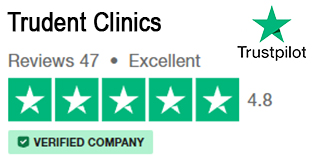
Search for verified reviews on independent platforms such as Google Maps, Trustpilot, and WhatClinic, filtering for reviews from Australian or British patients, who tend to face similar standards and expectations. Look for mentions of complications and how they were handled, not just the glowing five-star ratings. A clinic that responds professionally to a one-star review is often a safer bet than one with nothing but praise.
If possible, ask the clinic to connect you with a previous patient who had similar work done around twelve months ago. Long-term outcomes matter more than fresh smiles, and any reputable clinic will happily oblige.
Ignoring What Happens After You Fly Home
The final, and most common, mistake is to think the relationship ends at the airport. Dental work has a settling-in period. Bites shift, gums heal, and small adjustments are often needed. If your local dentist refuses to touch work done overseas — which happens more often than Australians realise — you may find yourself stranded with a problem and no easy fix.
Choose a clinic that provides a written treatment plan, a guarantee on materials, and a clear protocol for follow-up. Many Turkish clinics now partner with local dentists in Sydney, Melbourne, or Brisbane for in-person reviews, or they offer virtual follow-ups at three, six, and twelve months.
Keep all your records, including x-rays, shade guides used, implant batch numbers, and lab certificates. If anything needs attention in five years, those documents are essential. The best clinics hand them over without being asked.
Ready to take the next step? TruDent Clinics in Izmir offers personalised treatment plans, transparent pricing, and ongoing support for Australian patients from the first online consultation through to long-term follow-up. Get in touch today to start the conversation about your smile.