How to avoid overpaying for dental work in Turkey
Australians are heading overseas for dental care in record numbers, drawn by the gap between local fees and what clinics in places like Istanbul and Izmir charge. A porcelain crown that runs over two thousand dollars in a Sydney or Melbourne private practice can sometimes be fitted abroad for a fraction of that figure, even after paying for flights and a week's accommodation. That price difference is genuine, but the headline number rarely tells the whole story. Patients who book in haste, without checking materials, credentials or what's bundled into the quote, often end up spending more than they planned or returning home with work that needs correction.
The dental tourism sector in Turkey has grown considerably, with clinics in Antalya, Izmir and the larger Istanbul districts serving an international clientele that includes a steady stream of Australians. Many combine treatment with a coastal holiday, while others focus on a single complex procedure such as a full arch of implants or a complete smile makeover. Sorting out what is fair value, and what represents a genuine saving, requires a bit of homework before any deposit changes hands.
Researching typical price ranges for treatments in Turkey
The first step is to understand what the going rate is for the specific procedure you need. Veneers, crowns, implants and whitening all have different cost bands, and clinics in Turkey price them according to the brand of material, the laboratory fees and the experience of the clinician. A single Emax veneer in Izmir might be quoted at $350 to $500 in Australian dollars, while a zirconia crown from the same clinic could be priced slightly differently again. Implant treatments vary even more because the cost of the implant post, the abutment and the crown are often listed separately.
Patients in Brisbane, Perth and Adelaide frequently use online forums and Facebook groups to share recent quotes and experiences, and these can give a sense of the realistic range. Be cautious of any clinic advertising a full mouth restoration for an unusually low figure, because that often indicates cheaper materials or a less experienced operator. Comparing at least three or four clinics, asking for an itemised breakdown, and noting whether the price includes consultation, x-rays and temporary restorations will give you a much clearer picture of what fair value looks like for your treatment.
Comparing what Australian clinics charge against a Turkish quote
A useful exercise is to ring a couple of local Australian clinics and ask what they charge for the same treatment. A single implant with a crown in a metropolitan practice regularly sits between $5,000 and $7,000, while a set of six porcelain veneers can climb past $15,000 once consultation and laboratory fees are added. Those figures explain the appeal of travelling overseas, but they also provide a benchmark. If a Turkish clinic is quoting around 60 to 70 percent less than Australia, that aligns with typical savings. If the quote is 90 percent less, something is likely missing from the breakdown or the materials being used.
Australians should also weigh up the value of aftercare. A local clinic is a short drive away if a crown chips or an aligner needs adjustment, while a Turkish clinic requires another international flight. The maths starts to shift once you add a second return ticket from Sydney to Istanbul, which can run between $1,500 and $2,400 in economy class during peak season. A fair Turkish quote is one where the total cost, including a contingency for a return visit, still leaves you ahead financially compared to the local alternative.
Checking the materials and brands included in the quote
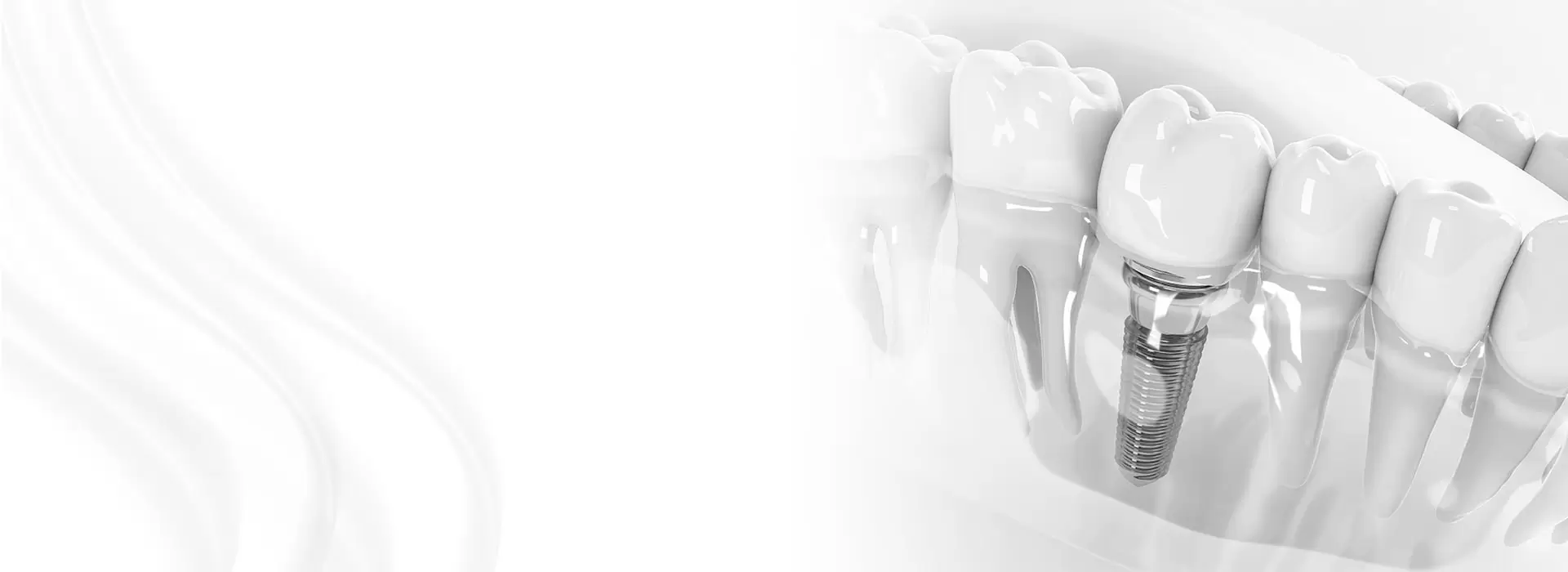
The cheapest quote is rarely the best quote when it comes to dental materials. Reputable clinics use recognised brands such as Straumann or Nobel Biocare for implants, and Emax or zirconia for veneers and crowns. Each brand has different properties, biocompatibility profiles, warranties and clinical track records, and the price difference between a generic Korean implant and a premium Swiss system can be several hundred dollars per tooth. Always ask which brand is being placed in your mouth and request documentation.
The same principle applies to whitening gels, aligner systems and the composite resins used for bonding. Australian patients are accustomed to the standards set by the Therapeutic Goods Administration, which does not directly govern clinics in Turkey, so asking the Turkish clinic which products they use and whether those products are TGA-recognised or carry a CE mark gives you a useful reference point. A clinic that is happy to provide this information is generally a clinic that takes quality seriously and is unlikely to be hiding costs in the fine print.
Accounting for travel, accommodation and follow-up visits
The cost of a dental trip to Turkey extends well beyond the treatment itself. Flights from Melbourne, Brisbane or Perth to Istanbul usually take more than twenty hours with a layover, and accommodation in Izmir for a week can range from a budget guesthouse at $40 a night to a comfortable hotel at $120. Add in airport transfers, daily meals and any sightseeing, and the non-clinical portion of the trip can easily reach $3,000 to $5,000 per person.
It is also worth thinking about time off work. Australians typically have four weeks of annual leave, and dedicating ten to fourteen days to a dental trip uses a sizeable portion of that entitlement. Factor in the recovery time for more invasive procedures like implants or bone grafts, which may require a follow-up visit several months later once the implant has fused with the jaw. A thorough quote should acknowledge these costs, and the clinic should be willing to discuss treatment timelines that fit around your work and family commitments rather than rushing you onto the next available flight.
Understanding the limits of Australian health cover abroad
Private health insurance extras cover in Australia does not extend to treatment performed overseas, and Medicare rebates only apply to services delivered within the Australian system. Even the Child Dental Benefits Schedule, which provides eligible children with up to $1,095 over two calendar years for basic dental care, is restricted to Australian providers. Knowing this in advance helps Australian patients budget realistically, because the full cost of treatment in Turkey will be paid out of pocket at the time of service.
Some Australian insurers do offer cover for complications arising from overseas treatment, but the policy wording is often restrictive and the benefit capped. Read the fine print before you travel and consider whether a short-term travel insurance policy with dental complication cover is worth the additional premium. This is a small expense that can prevent a large bill if something goes wrong during the healing period or if you need an emergency appointment once you are back home.
Looking for transparent communication and real patient reviews
The clearest sign of a trustworthy clinic is transparent communication. A clinic that responds promptly, provides written quotes, shares before-and-after photographs of previous patients and offers video consultations before you fly is generally a clinic that runs an organised practice. Avoid any operator who pressures you into a deposit before answering questions about materials, timelines or the clinician's training and registration.
Australian patients often share their experiences on dedicated dental tourism groups, and these reviews can be more useful than the testimonials displayed on a clinic's own website. Look for feedback specifically about Australian travellers, since their experience with follow-up care back home tends to highlight any shortcomings in the original treatment. A clinic that has handled dozens of Australian patients without complaint is far more likely to deliver fair value than one with little international track record or one that refuses to name the dentists who will be performing the work.
| Procedure |
Typical Australian price (AUD) |
Typical Turkish price (USD) |
Approximate equivalent in AUD |
| Single porcelain crown |
$2,000 – $2,800 |
$400 – $700 |
$600 – $1,050 |
| Porcelain veneer (per tooth) |
$1,800 – $2,500 |
$300 – $550 |
$450 – $825 |
| Single dental implant with crown |
$5,000 – $7,000 |
$800 – $1,500 |
$1,200 – $2,250 |
| Professional in-chair whitening |
$650 – $1,000 |
$200 – $400 |
$300 – $600 |
| Full invisible aligner treatment |
$6,000 – $9,000 |
$1,800 – $3,500 |
$2,700 – $5,250 |
Prices are indicative averages gathered from publicly listed clinics and patient reports, and they exclude flights, accommodation and any follow-up visits. Exchange rates and clinic positioning will affect the final figure.
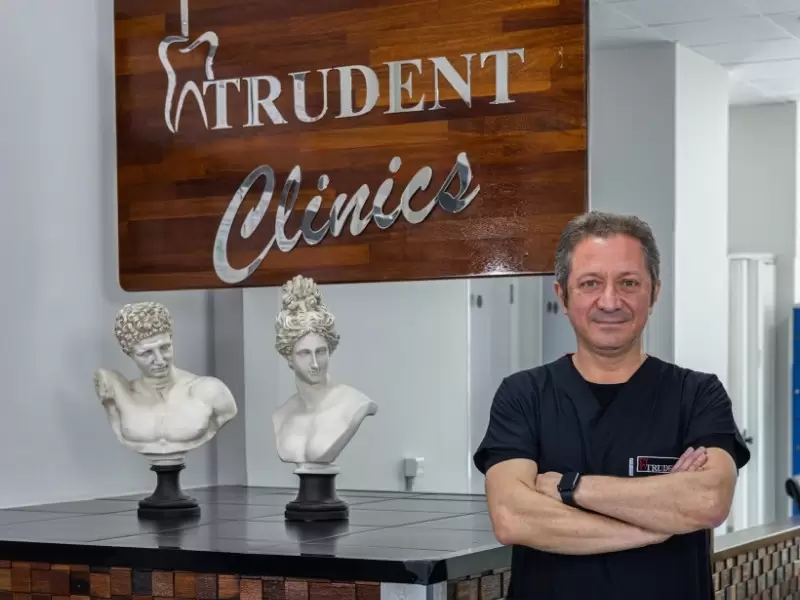
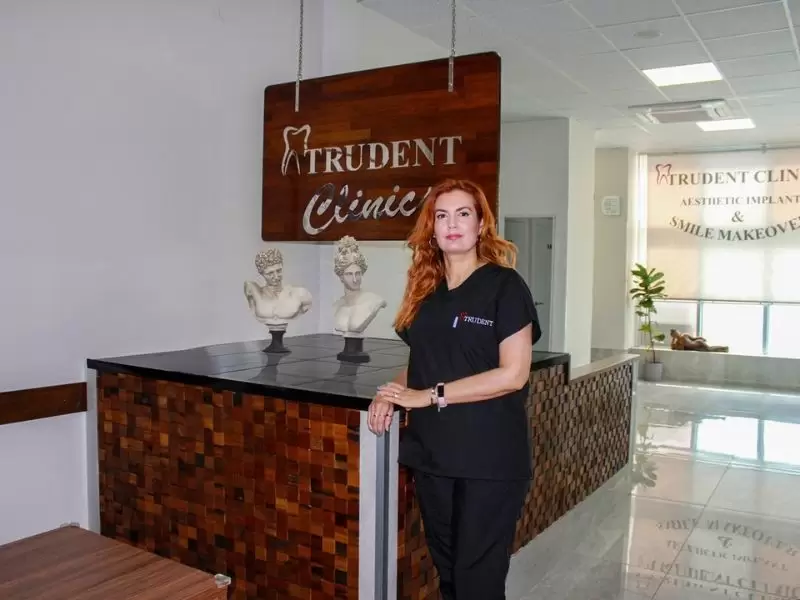
Contact TruDent Clinics in Izmir to request a personalised quote. Share your x-rays or clinical photographs with the team, and you will receive an itemised breakdown, recommended materials and a realistic timeline based on your specific case. A clear plan written down before you book is the surest way to keep dental work in Turkey affordable and avoid paying more than you should.