Protecting Your New Smile After Treatment
A full smile makeover can combine several treatments, such as veneers, crowns, tooth whitening, invisible aligners or dental implants. The finished result is designed around your teeth, gums, facial proportions and lifestyle, so the aftercare plan should be just as personalised as the treatment itself.
The first few weeks are especially important. Your teeth and gums may be settling, your bite may feel different, and temporary sensitivity can make ordinary habits such as drinking coffee or brushing near the gumline uncomfortable. Careful routines help protect cosmetic dental work while supporting healthy natural teeth.
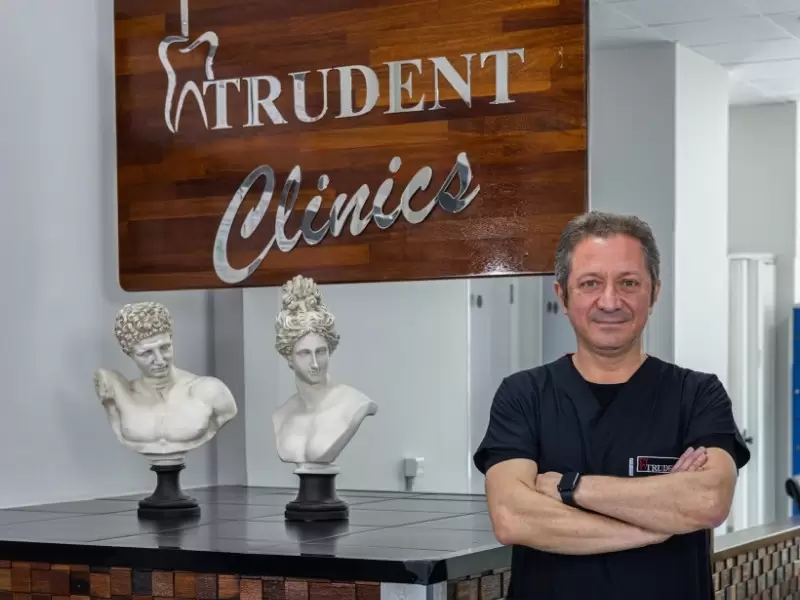
Patients travelling from Australia to Turkey should leave with written instructions, treatment records and a clear review schedule. TruDent Clinics can explain the maintenance needs of each procedure through its range of dental services, helping you understand what to do once you return to cities such as Sydney, Melbourne, Brisbane or Perth.
Follow The First Days Carefully
Use the instructions provided by your dentist as the main guide during the first 24 to 72 hours. If you have received veneers or crowns, avoid biting hard foods until any sensitivity has eased and your bite feels natural. After implant surgery, follow the specific advice about rinsing, brushing, medication and physical activity, as healing around an implant requires more care than routine cosmetic work.
Soft foods can be useful at first, including yoghurt, eggs, pasta, steamed vegetables and soup that is warm rather than hot. Avoid chewing ice, hard lollies, popcorn kernels and very sticky foods. If your gums are tender, use a soft-bristled toothbrush and make small, gentle movements rather than scrubbing.
Mild sensitivity is common after whitening or preparation for veneers. It should gradually improve, but persistent pain, swelling, a loose restoration or a bite that feels uneven should be reported promptly. Do not wait until your next routine appointment if a crown moves or an implant area becomes increasingly painful.
Build A Reliable Daily Routine
Brush twice a day with fluoride toothpaste and clean every surface around the gumline. Electric toothbrushes can make pressure easier to control, while a manual brush is also effective when used gently and consistently. Your dentist may recommend a low-abrasion toothpaste if you have veneers or bonded cosmetic work.
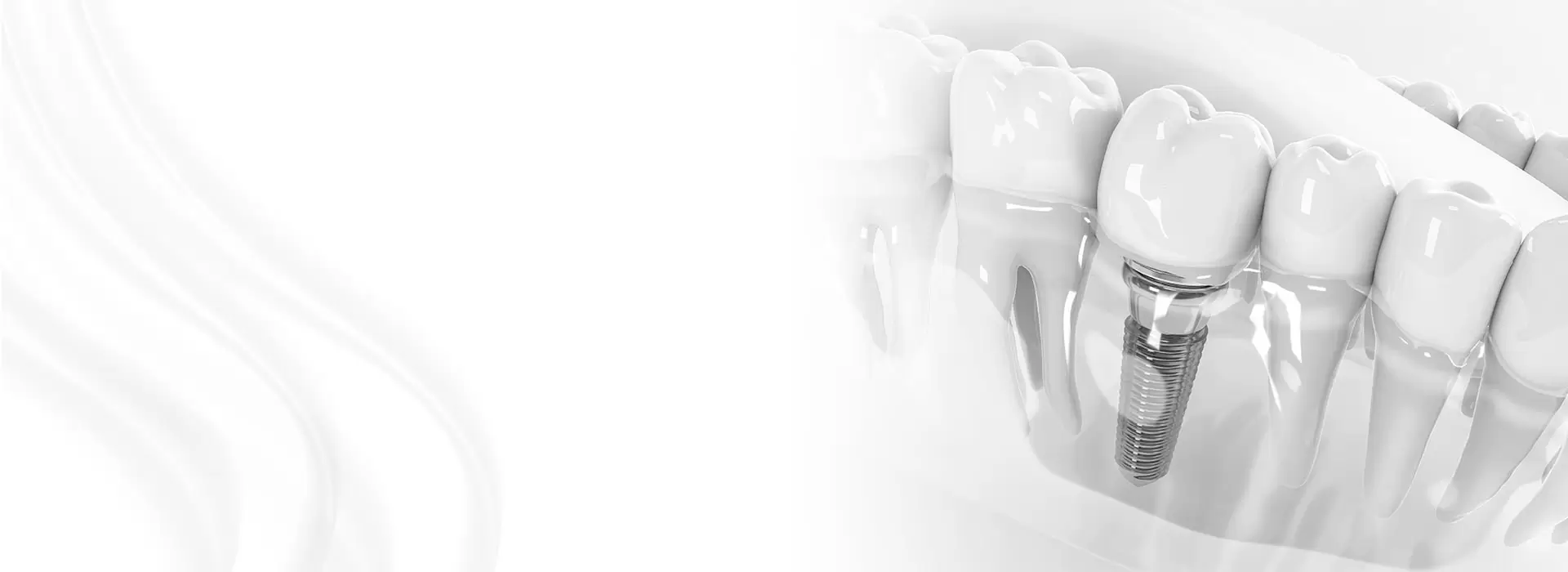
Clean between your teeth once a day with floss, interdental brushes or a water flosser suited to your restoration. Dental implants, bridges and crowns can trap plaque around their edges, and inflammation in these areas may threaten the gum support that keeps the smile looking natural. Ask for a demonstration if you are unsure which size of interdental brush is appropriate.
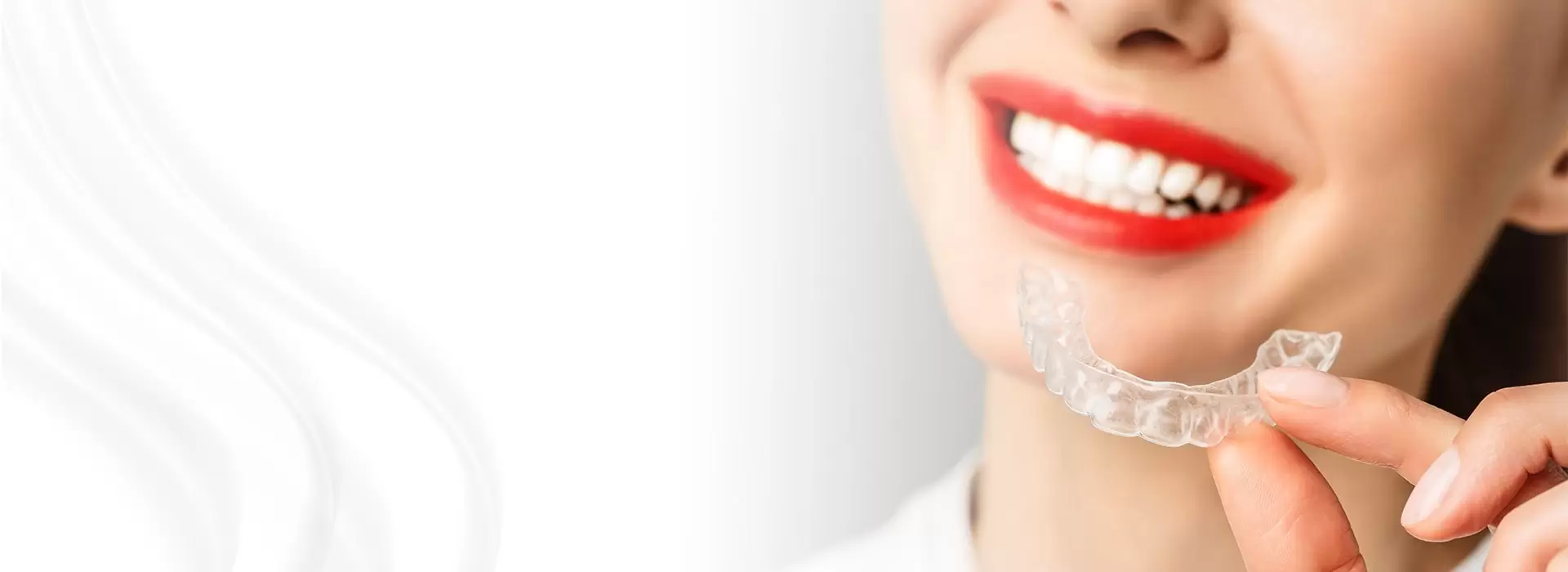
Mouthwash can complement brushing, but it should not replace mechanical cleaning. Alcohol-free products may be more comfortable for people with dry mouth or sensitive tissues. If you wear clear aligners, remove them for meals, rinse them with cool water and clean them according to the manufacturer’s directions rather than using hot water, which can distort the plastic.
Manage Food, Drinks And Everyday Habits
Australian routines often include several daily coffees, long lunches, takeaway meals and weekend wine. Coffee, black tea, red wine, cola and strongly coloured sauces can stain natural teeth and some tooth-coloured materials. When possible, drink staining beverages with a meal, rinse with water afterwards and wait around 30 minutes before brushing after acidic drinks or foods.
Do not use your restored teeth as tools to open packaging, cut thread or hold objects. These habits create sudden sideways forces that can chip veneers, fracture porcelain or loosen a crown. Hard sports and recreational activities also deserve attention. A properly fitted mouthguard is sensible for contact sports, cycling accidents and other activities where the mouth may be struck.
Smoking and vaping can contribute to gum irritation, discolouration, dry mouth and slower healing after implant placement. Reducing or stopping these habits supports both the appearance and longevity of your treatment. Keep water nearby, particularly in Australia’s hot weather, because dehydration and dry mouth can increase plaque accumulation and make the mouth feel uncomfortable.
Match Care To Your Treatment
Different procedures have different maintenance requirements. Whitening is temporary and may need occasional professional touch-ups, while veneers and crowns depend on careful biting habits and healthy gums. Implants cannot decay like natural teeth, but plaque can still cause peri-implant inflammation, so they require thorough cleaning and regular professional checks.
The table below gives a general guide. Your dentist’s advice takes priority because the materials, number of teeth treated and condition of your gums will affect your maintenance schedule.
| Treatment |
Daily Care |
Main Things To Avoid |
Typical Review Focus |
| Veneers |
Fluoride brushing and daily interdental cleaning |
Biting hard objects, nail biting, heavy staining habits |
Edges, polish, gum health and bite |
| Crowns |
Careful brushing around the margin and flossing |
Sticky foods and chewing ice |
Fit, gumline and opposing teeth |
| Whitening |
Normal fluoride care and sensible stain control |
Frequent dark drinks and unsupervised bleaching |
Shade stability and sensitivity |
| Clear Aligners |
Clean teeth before reinserting trays |
Hot water, eating while trays are in |
Tracking, hygiene and wear time |
| Dental Implants |
Interdental brushes or water flosser as advised |
Smoking, poor cleaning and hard trauma |
Implant stability, bone and gum tissue |
Keep Professional Reviews On Schedule
A beautiful result still needs preventive dentistry. Book regular examinations and professional cleans so plaque, gum inflammation, cracks and bite changes can be detected before they become larger problems. Many people benefit from six-monthly appointments, although a person with gum disease, implants or a history of frequent decay may need more frequent reviews.
If your makeover was completed overseas, ask the clinic for copies of X-rays, implant brand details, laboratory information, shade records and treatment notes. These documents make it easier for an Australian dentist to provide follow-up care. When choosing a local provider, check that the practitioner is registered with the Dental Board of Australia through the Australian Health Practitioner Regulation Agency.
Australian private health insurance policies differ widely. Some cover portions of crowns, general dentistry or major dental services after waiting periods, while cosmetic procedures may have limited or no benefits. Confirm inclusions, annual limits and claiming rules with your insurer before assuming a review or repair will be covered.
Be cautious with online whitening kits and imported dental products. Therapeutic goods and health-related claims in Australia are subject to regulation, and advertising for dental services must comply with AHPRA expectations, including rules against misleading claims. Professional advice is safer than copying a social media whitening routine or ordering abrasive products without checking their ingredients.
Respond Early To Changes
Contact a dentist if you notice bleeding that continues, gum recession, persistent bad taste, swelling, increasing sensitivity or food repeatedly catching around a restoration. A small adjustment to the bite or a professional clean may prevent discomfort from becoming a damaged veneer or inflamed implant site.
Emergency symptoms deserve prompt attention. Severe swelling, uncontrolled bleeding, facial trauma, difficulty breathing or swallowing, or intense pain should be assessed urgently. For less serious concerns after returning to Australia, contact your usual dental practice and provide the treatment records from the clinic abroad.
Maintain realistic expectations about longevity. Veneers, crowns and bonding can last for many years, but they are not indestructible, and natural teeth beneath or beside them still require protection. Grinding or clenching may call for a custom night guard, especially if you wake with jaw tension, headaches or worn biting surfaces. Botulinum toxin used for jaw-related concerns may reduce muscle activity for a period, but it does not replace a guard or address every cause of tooth wear.
Protecting your new smile is a long-term partnership between home care and professional support. Save your dentist’s instructions, attend recommended reviews and make small daily choices that reduce staining, pressure and plaque. To arrange personalised guidance for your treatment or discuss ongoing smile maintenance, schedule a consultation with TruDent Clinics.