How to Care for Your Smile After Full Mouth Reconstruction
A full mouth reconstruction can restore comfort, chewing function, tooth structure, and confidence through a carefully coordinated combination of treatments. Depending on your needs, your plan may include dental implants, crowns, veneers, bridges, fillings, gum therapy, bite adjustment, or orthodontic alignment.
The days and months after treatment are important for protecting your investment. Your teeth and gums need time to recover, while your bite and oral muscles gradually adapt to the new shape of your smile. Consistent home care and regular professional reviews help your restorations remain healthy and comfortable.
Recovery is different for every patient. Follow the specific instructions provided by your dentist, especially if your reconstruction involved surgery, temporary restorations, or multiple appointments. Contact the clinic promptly if you notice persistent pain, swelling, sensitivity, or changes in the way your teeth meet.
Follow your immediate aftercare instructions
For the first few days, choose soft foods that require minimal chewing. Yogurt, eggs, soup served at a comfortable temperature, mashed vegetables, pasta, and soft fish can reduce pressure on recently treated teeth. Avoid very hot foods and drinks if your gums feel tender, particularly after implant placement or gum procedures.
Chew slowly and try to distribute food across both sides of your mouth unless your dentist has advised you to protect a specific area. Do not bite directly into hard foods while temporary crowns, bridges, or provisional veneers are in place. Temporary restorations are designed to support healing and function, but they may be more vulnerable than the final versions.
Mild tenderness or sensitivity can occur after extensive dental work. Use medication only as directed by your dentist or the instructions on the label. If discomfort becomes stronger instead of gradually improving, or if a restoration feels loose, arrange an examination rather than trying to adjust it yourself.
Build a careful daily hygiene routine
Good plaque control is central to long-term restorative dentistry. Brush twice each day with a soft-bristled toothbrush and fluoride toothpaste, using gentle movements around the gumline. Aggressive brushing can irritate healing tissue and contribute to gum recession, especially around veneers, crowns, and implant-supported restorations.
Clean between your teeth every day with floss, interdental brushes, or a water flosser recommended by your dentist. The best method depends on the design of your reconstruction. Bridges, implant crowns, and tightly spaced restorations may require specialized floss threaders or narrow interdental brushes to remove plaque from areas a standard toothbrush cannot reach.
If your mouth is sore, do not stop cleaning altogether. Use a lighter touch and ask your dentist whether a temporary antimicrobial rinse is suitable. Avoid using strong mouthwashes for extended periods without professional guidance, since some products may irritate soft tissue or contribute to staining.
A consistent routine should include:
- Brushing for approximately two minutes in the morning and before bed
- Cleaning around implant crowns, bridge margins, and the gumline
- Replacing a worn toothbrush or brush head every three months
- Using fluoride products appropriate for your sensitivity and cavity risk
- Removing removable appliances before cleaning them as instructed
Protect restorations from damaging habits
Your new smile may look natural, but restorations can still fracture, chip, or loosen under excessive force. Do not use your teeth to open packaging, tear labels, hold objects, or bite fingernails. These habits can place sudden pressure on veneers, crowns, bridges, and natural teeth supporting the reconstruction.
Be cautious with hard sweets, ice, popcorn kernels, bones, and very crunchy foods. Sticky foods may pull at temporary restorations, while frequent exposure to sugary snacks increases the risk of decay around restoration edges. A balanced diet with regular meals is generally kinder to your teeth than grazing throughout the day.
If you clench or grind your teeth, tell your dentist even if you do not notice it happening. Bruxism can overload implants, wear down ceramic surfaces, and cause jaw soreness. A custom night guard may protect your restorations during sleep, but it should be designed and adjusted by a dental professional.
Patients with veneers should be particularly attentive to pressure and food choices. Reviewing these veneer aftercare mistakes can help you avoid habits that shorten the life of cosmetic restorations.
Attend reviews and monitor your bite
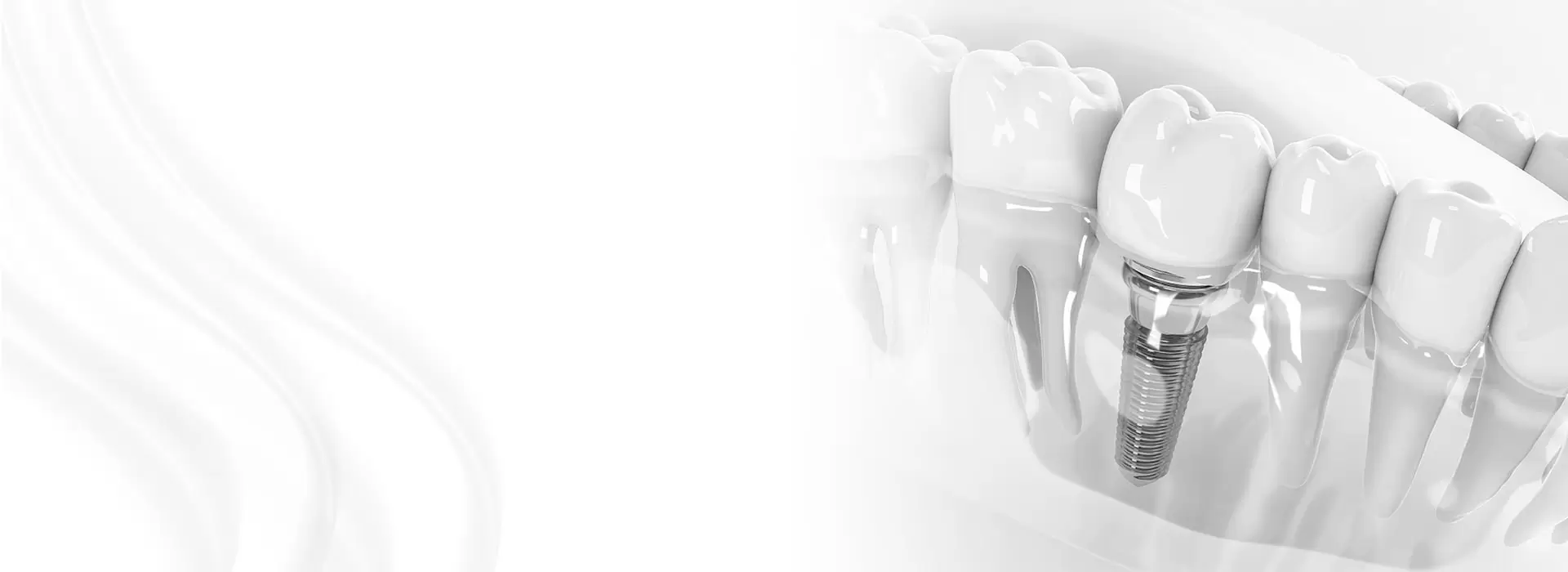
Follow-up appointments allow your dentist to assess healing, polish or adjust restorations, and confirm that your bite is balanced. These visits are especially important after implant surgery, because the implant must integrate with the surrounding bone before it supports a final restoration.
Your bite may feel unfamiliar after reconstruction. Slight changes in tooth shape can affect chewing, speech, and the movement of your jaw. This adjustment period is normal, but persistent pressure on one tooth, difficulty closing your mouth, or repeated cheek biting should be reported.
The schedule below provides a general guide. Your personal timeline may be different depending on the procedures involved.
| Recovery phase |
Main care priorities |
Contact your dentist when |
| First 24–72 hours |
Soft foods, gentle cleaning, prescribed medication, rest |
Bleeding, swelling, or pain is severe or worsening |
| First two weeks |
Gradually return to normal foods, protect temporary work, maintain hygiene |
A temporary crown moves, your bite feels high, or sensitivity persists |
| First one to three months |
Attend planned reviews, use any night guard, monitor implant healing |
An implant area remains painful or a restoration feels unstable |
| Long term |
Professional cleanings, daily interdental care, balanced diet |
You notice cracks, rough edges, bleeding gums, or changes in bite |
A professional cleaning schedule is also valuable. Even excellent brushing cannot remove every deposit around restoration margins. Your dentist or hygienist can recommend visit intervals based on gum health, implant care needs, previous decay, and the complexity of your treatment.
Support healthy gums and implants
Healthy gums provide an essential foundation for crowns, bridges, veneers, and implants. Bleeding during brushing or flossing may indicate inflammation rather than a reason to avoid cleaning. Continue gentle plaque removal and arrange a dental review if bleeding does not settle within a short period.
If you have implants, clean carefully around the implant-supported teeth and follow the tools recommended by your dental team. Tobacco use can impair healing and increase the risk of gum problems around implants. Reducing or stopping smoking supports circulation and improves the long-term outlook for both natural teeth and restorations.
Dry mouth can also increase plaque accumulation and decay risk. Drink water regularly, limit frequent acidic or sugary drinks, and discuss persistent dryness with your dentist. Certain medications and medical conditions can reduce saliva flow, so managing the underlying cause may be part of protecting your reconstructed smile.
Pay attention to changes in your gums, including swelling, recession, pus, persistent redness, or an unpleasant taste. Early treatment is usually simpler than waiting until inflammation affects the supporting tissues.
Maintain your results over time
The lifespan of a full mouth reconstruction depends on materials, bite forces, oral hygiene, diet, general health, and routine dental care. Restorations do not develop cavities in the same way as natural enamel, but decay can form at their edges or on nearby untreated teeth. Protecting the remaining natural tooth structure is therefore just as important as cleaning the restorations.
Limit frequent snacking and rinse with water after acidic foods or drinks. Wait around 30 minutes before brushing after an acidic meal, since enamel may be temporarily softened. If your dentist has recommended a high-fluoride toothpaste or protective treatment, use it consistently.
Cosmetic treatments such as whitening should be planned carefully after reconstruction. Whitening products change the shade of natural teeth but may not alter the color of existing crowns, veneers, or bridges. Professional advice can help you avoid uneven results and select a suitable time for any future aesthetic treatment.
Keep records of your restorations and inform any new dentist about implant systems, ceramic materials, previous procedures, and bite adjustments. This information can make future maintenance more precise and help preserve the design of your smile.
Make your new smile last
Caring for your reconstructed smile is a long-term partnership between your daily habits and professional dental support. Gentle cleaning, sensible food choices, protection from grinding, and timely reviews can help you enjoy improved function and appearance for many years.
TruDent Clinics can assess your healing, answer questions about restoration care, and create a personalized maintenance plan for implants, crowns, veneers, or other treatments. Schedule a consultation or follow-up visit to keep your smile comfortable, healthy, and protected.