How To Care For Your Teeth After Professional Whitening
A professional whitening session can give your smile a noticeably brighter appearance, but the result depends on what happens after you leave the clinic. Teeth may be temporarily more sensitive, and the outer enamel surface can be more vulnerable to staining from strongly coloured food and drinks during the first few days.
Good aftercare helps protect your comfort and preserve your new shade. Whether you have had in-chair whitening in Izmir or treatment before returning home to Australia, a few simple habits can support a longer-lasting result without placing unnecessary stress on your teeth.
Manage Sensitivity With Gentle Care
Mild sensitivity after whitening is common. You may notice a short, sharp sensation when drinking something cold or breathing in cool air. This usually settles within a few hours, although some people experience sensitivity for one or two days.
Use a soft-bristled toothbrush and brush with gentle pressure. A toothpaste formulated for sensitive teeth may help reduce discomfort when used consistently. Fluoride toothpaste is also useful because it supports enamel strength and everyday protection against decay.
For a short period, choose lukewarm drinks and avoid very cold foods if they trigger discomfort. If your dentist has provided a desensitising gel or specific instructions, follow those directions rather than adding several products at once.
Severe pain, swelling, lingering sensitivity or discomfort that becomes worse should be assessed by a dental professional. Whitening should not cause ongoing pain, and symptoms may sometimes indicate an underlying cavity, cracked tooth or gum problem that needs separate treatment.
Choose Foods And Drinks Carefully
Freshly whitened teeth can pick up colour from intensely pigmented foods and drinks. During the first 24 to 48 hours, it is sensible to limit items such as red wine, black tea, coffee, cola, tomato-based sauces, curry, beetroot, berries and dark soy sauce. These foods are not permanently forbidden, but spacing them away from treatment can help reduce early staining.
Many Australians rely on a morning flat white, long black or iced coffee, so avoiding coffee completely may not feel realistic. If you do have one, drink it promptly rather than sipping it over a long period. A straw can reduce contact with the front teeth for cold drinks, although it is not suitable for every beverage or situation.
Water is the easiest choice after whitening. Rinsing with water after coffee, tea or a strongly coloured meal helps wash away pigments and acids. Wait around 30 minutes before brushing after acidic drinks or foods, as brushing immediately can be harsh on temporarily softened enamel.
For the first couple of days, lighter-coloured options can be easier on your smile. Chicken, rice, pasta with a pale sauce, yoghurt, bananas, cauliflower and lightly coloured vegetables are practical choices while sensitivity and stain risk are settling.
Build A Whitening-Friendly Routine
Long-term results come from consistent oral hygiene rather than repeated intensive whitening. Brush twice daily for two minutes, clean between your teeth each day and attend regular examinations and professional cleans. Plaque and tartar can make teeth look dull and can interfere with an even-looking shade.
Do not scrub harder because you want to maintain brightness. Excessive pressure can irritate the gums and contribute to enamel wear. An electric toothbrush with a pressure sensor may be helpful, particularly if you tend to brush aggressively.
Australian tap water is fluoridated in many areas, including major metropolitan centres such as Melbourne, Sydney and Brisbane, although arrangements vary by location. Fluoride toothpaste remains important even where fluoridated water is available. If you live in a regional or remote area, ask your dentist whether your local water supply and personal risk factors affect your fluoride needs.
Daily habits that support a brighter smile:
- Brush gently morning and night with fluoride toothpaste
- Clean between teeth with floss or interdental brushes
- Rinse with water after coffee, tea and coloured meals
- Keep regular dental check-ups and hygiene appointments
Habits worth limiting after whitening:
- Smoking or vaping, which can contribute to staining and gum irritation
- Frequent sipping of coffee, tea, soft drinks or sports drinks
- Abrasive whitening powders and charcoal products
- Using peroxide products more often than directed
Whitening toothpastes can help remove surface stains, but they do not replace professional treatment and some are abrasive. Use them according to the product instructions and ask your dentist whether they are suitable if you have sensitivity, exposed roots, thin enamel or gum recession.
Protect The Result From Common Stains
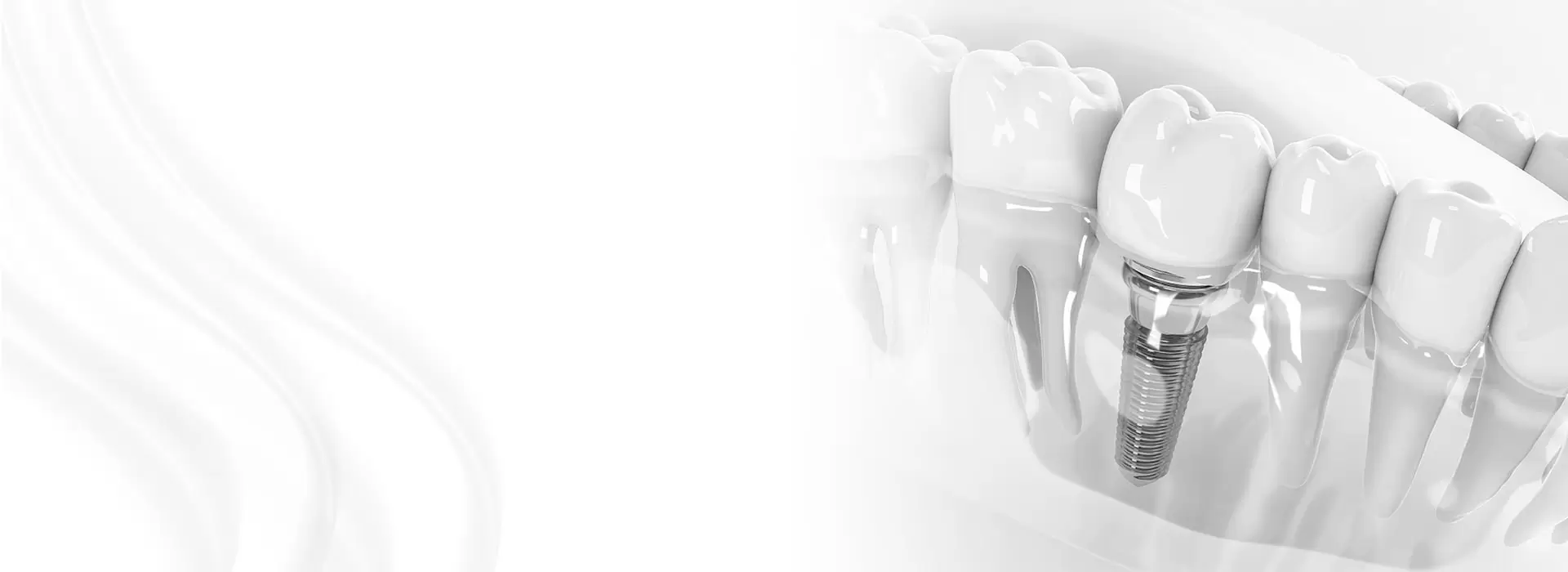
Professional whitening lightens natural tooth structure, but fillings, crowns, veneers and implants do not change colour in the same way. This matters if you have visible restorations, particularly on front teeth. Your dentist may recommend treating existing restorations before whitening or replacing them later to achieve a more even smile.
If you smoke, tobacco can stain teeth quickly and increase the risk of gum disease. Vaping may also expose your mouth to substances that contribute to dryness and irritation. Cutting down or stopping supports both the appearance of your smile and your general oral health.
Dry mouth can make staining and plaque build-up more noticeable. Drink water regularly, especially in hot Australian weather or after exercise. Sugar-free gum may stimulate saliva flow, but choose a product without added sugar and avoid chewing if you have jaw pain or a temporomandibular joint condition.
Whitening is not always a permanent treatment. The shade gradually changes with age, diet, oral hygiene and lifestyle. A dentist can advise whether occasional maintenance is appropriate and how often it can be performed safely. Repeating treatment too soon may increase sensitivity without producing a better result.
Know When To Contact Your Dentist
A follow-up appointment may be appropriate if whitening has caused persistent sensitivity, gum irritation or uneven colour. Whitening gel that touches the gums can cause temporary white patches or soreness, but these symptoms should improve. Contact the clinic if irritation continues or if you are unsure whether your reaction is normal.
Dental whitening is safest when the teeth and gums are healthy before treatment. Cavities, leaking fillings, gum disease and exposed dentine can all increase discomfort. A professional assessment allows the dentist to identify these issues and create a treatment sequence that suits your mouth rather than applying a standard approach.
Patients travelling from Australia to Turkey for cosmetic dentistry should keep their treatment records and aftercare instructions. If you return to Perth, Adelaide, the Gold Coast or another Australian city and develop a concern, a local dentist can assess the problem more easily when they know the whitening method, products and treatment date.
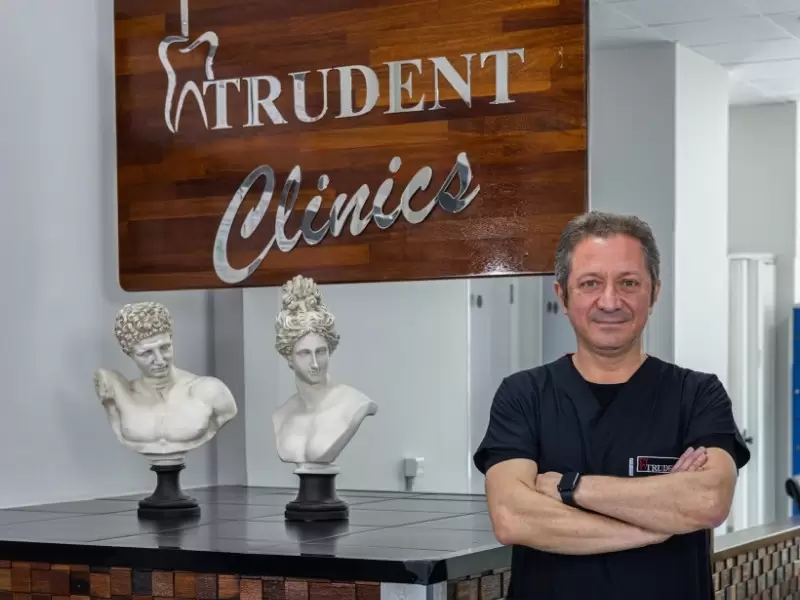
At TruDent Clinics in Izmir, aftercare can be discussed as part of a personalised smile plan. The same appointment may involve broader cosmetic or general dentistry considerations, such as veneers, crowns, aligners or gum health, but whitening should always be tailored to the condition of your natural teeth and existing dental work.
Professional whitening can be a safe and effective way to refresh your smile when it is planned properly and followed by sensible aftercare. Use gentle brushing, choose water more often, limit strong staining agents in the first couple of days and seek advice if discomfort does not settle.
To protect your result and receive guidance suited to your teeth, schedule a consultation with TruDent Clinics in Izmir. A dental professional can review your smile, explain maintenance options and help you follow a comfortable whitening plan.