How to Care for Your Teeth Before a Smile Makeover
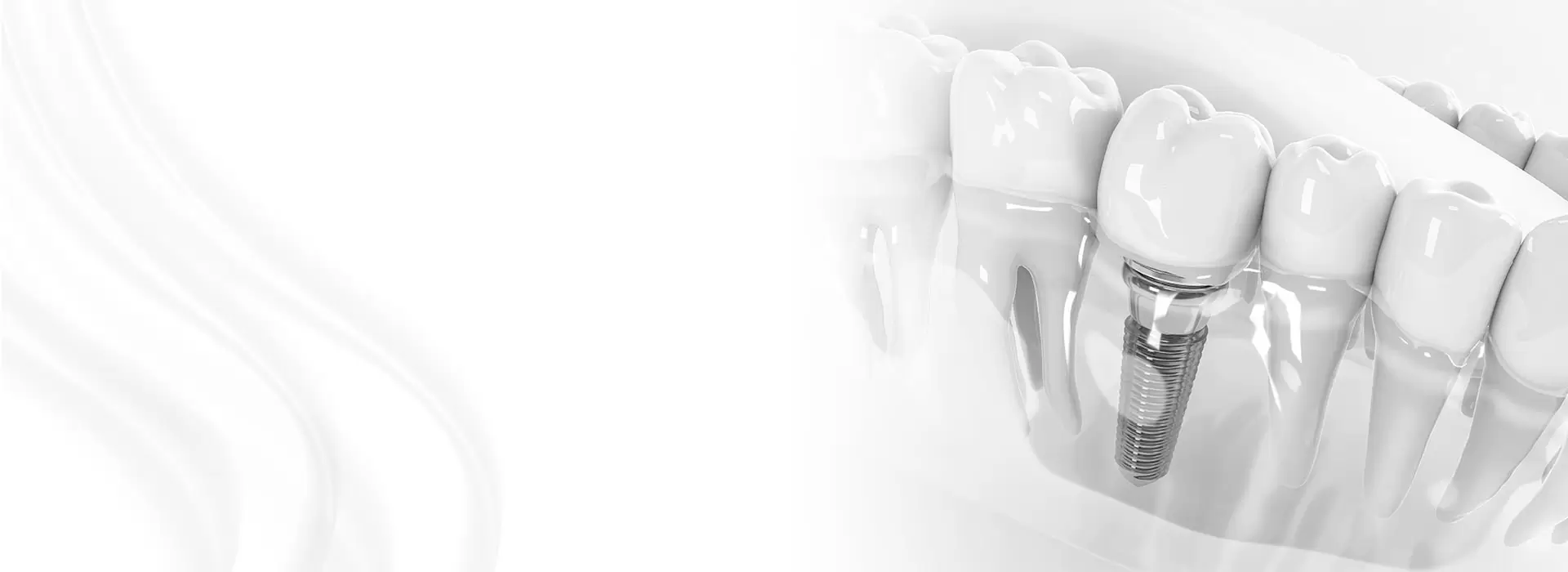
A smile makeover can involve veneers, crowns, professional whitening, invisible aligners, dental implants or a combination of treatments. While you are waiting for your consultation or treatment appointment, the condition of your teeth and gums still matters. Good daily care can help prevent new decay, reduce sensitivity and create a healthier foundation for cosmetic dentistry.
This is especially important if you are travelling from Australia to Izmir for treatment at TruDent Clinics. Long flights, changes in routine and delays between appointments can make it tempting to neglect small dental concerns. A simple maintenance plan helps protect your smile while your personalised treatment plan is being prepared.
| Before treatment |
What to do |
Why it matters |
| Brushing |
Brush twice daily with fluoride toothpaste |
Removes plaque and strengthens enamel |
| Cleaning between teeth |
Use floss, interdental brushes or a water flosser daily |
Reduces gum inflammation and trapped food |
| Food and drinks |
Limit frequent sugar, acidic drinks and staining beverages |
Lowers the risk of decay, erosion and discolouration |
| Sensitivity |
Use a desensitising toothpaste and avoid extreme temperatures |
Helps manage discomfort before treatment |
| Dental problems |
Arrange an examination for pain, swelling, cracks or loose fillings |
Problems may need attention before cosmetic work |
| Travel preparation |
Keep dental records, medications and a care kit accessible |
Makes treatment and aftercare easier when travelling |
Keep Your Teeth Clean Without Overbrushing
Brush in the morning and before bed using a soft-bristled toothbrush and fluoride toothpaste. Place the brush at the gumline and use small, gentle movements rather than scrubbing from side to side. Brushing too forcefully can contribute to gum recession and enamel wear, which may make teeth appear longer or increase sensitivity before veneers, crowns or whitening.
An electric toothbrush with a pressure sensor can be useful if you tend to brush aggressively. Replace the brush head roughly every three months, or sooner if the bristles become splayed. Australians can find a wide range of manual and electric brushes in supermarkets and pharmacies, but the most expensive option is not automatically the best. Comfort, a small head and consistent use are more important.
Clean between the teeth once a day. Floss may suit tight contacts, while interdental brushes can be easier around bridges, orthodontic appliances or wider spaces. A water flosser can supplement these methods, but it should not replace brushing. If your gums bleed regularly after several days of careful cleaning, arrange a dental check rather than stopping.
Australia’s fluoridated tap water in many metropolitan areas, including much of Sydney, Melbourne and Brisbane, can provide additional protection against decay. It does not replace toothpaste or professional care. If you mainly drink bottled water, ask your dentist whether your fluoride exposure and home-care routine are appropriate.
Protect Enamel From Everyday Food And Drink
Frequent exposure to sugar and acid can weaken enamel even when you brush regularly. Soft drinks, sports drinks, energy drinks, fruit juice and flavoured sparkling waters may be acidic. Sipping them over several hours keeps the mouth in a repeated acid attack, increasing the risk of erosion and sensitivity.
Tea and coffee are everyday habits for many Australians and can stain natural teeth or existing restorations. You do not necessarily need to remove them completely. Try to have them with a meal, avoid adding sugar where possible, and rinse with water afterwards. Wait around 30 minutes before brushing after acidic food or drinks, as brushing immediately can be abrasive while enamel is softened.
Choose water between meals and keep sweet snacks to mealtimes rather than grazing throughout the day. Fresh fruit, plain yoghurt, cheese, vegetables and nuts are generally more tooth-friendly choices than sticky lollies or biscuits. If you use sugar-free gum, chewing after meals may stimulate saliva, provided it is suitable for you and does not cause jaw discomfort.
Do not start aggressive whitening at home while waiting for a smile makeover. Whitening products sold through the Australian market vary in strength and suitability, and whitening will not change the colour of fillings, crowns or veneers. A dentist can determine whether professional whitening should happen before other cosmetic procedures.
Deal With Sensitivity, Staining And Existing Dental Work
Mild sensitivity can occur when enamel is thin, gums have receded or a filling is worn. A toothpaste containing a recognised desensitising ingredient may help when used consistently. Apply a small amount to sensitive areas at night if advised by your dentist, and avoid very hot, cold or acidic foods until the discomfort settles.
Sensitivity that is sharp, persistent or limited to one tooth needs assessment. It may be linked to decay, a cracked tooth, an exposed filling or an infection rather than ordinary enamel sensitivity. Facial swelling, fever, severe pain, a bad taste or difficulty swallowing requires urgent dental attention. Do not wait for a cosmetic consultation if these symptoms appear.
If you already have veneers, crowns, bonding, implants or removable appliances, follow the instructions given by the dentist who placed them. Avoid biting pens, opening packets with your teeth or chewing ice. Hard foods can chip porcelain, loosen temporary work or damage natural teeth that are being prepared for restoration.
Protective care is particularly relevant for Australians who play contact sports, surf, cycle or participate in weekend football. A properly fitted mouthguard can reduce the chance of dental trauma. Custom mouthguards are usually more comfortable and stable than generic boil-and-bite products, especially if you have orthodontic treatment or extensive dental work.
Prepare For A Consultation In Australia Or Izmir
Before your appointment, collect recent X-rays, dental reports, a list of medications and information about allergies or medical conditions. Tell the dentist about teeth grinding, jaw pain, previous gum disease, sensitivity and any concerns about the size, shape or colour of your teeth. Photographs taken in natural light can also help you track changes, although they cannot replace a clinical examination.
A smile makeover should begin with a review of oral health. Active decay, gum disease, inadequate bone support or an untreated infection may need to be managed before veneers, crowns or implants. If aligners are planned, your dentist may also assess your bite, gum position and available space. A cosmetic result is more predictable when the supporting teeth and tissues are stable.
For Australian patients travelling overseas, allow time for a consultation before definitive treatment rather than arranging an immediate procedure after landing. A remote discussion can explain the general process, but an in-person examination and appropriate diagnostic records are essential. Confirm what is included in the quoted fee, how temporary restorations are handled and who will provide follow-up care after you return to Australia.
Dental practitioners in Australia are regulated through the Dental Board of Australia and registered with Ahpra. If you need interim treatment at home, choose a registered dentist and ask for copies of records that may be useful to your overseas provider. Also check your private health insurance policy carefully. Extras cover often has waiting periods, annual limits and restrictions, while Medicare generally does not cover routine adult dental treatment.
Maintain Healthy Gums Before Cosmetic Dentistry
Healthy gums are central to an attractive and stable smile. Plaque left around the gumline can cause redness, bleeding, swelling and bad breath. Over time, gum disease can lead to gum recession and bone loss, which may affect the appearance and suitability of veneers, crowns or implants.
A professional scale and clean may be recommended before cosmetic treatment if there is hardened calculus or significant inflammation. Do not try to scrape tartar away with sharp tools at home. This can injure the gums or scratch the tooth surface. Instead, use careful brushing and interdental cleaning until you can attend an examination.
Smoking and vaping can affect gum health and healing. Cutting down or stopping before dental treatment may improve your oral environment and reduce complications. Alcohol can also contribute to dry mouth, especially when combined with some medicines. Drink water regularly and mention persistent dryness to your dentist.
Stress can increase clenching and grinding, particularly while planning major dental work. Signs include morning jaw soreness, headaches, worn tooth edges or chipped restorations. A dentist may recommend a night guard or other treatment, but do not buy a rigid appliance without professional advice because an unsuitable device can worsen discomfort or interfere with your bite.
A consistent routine gives your dentist the best starting point for a personalised smile makeover. If you are considering veneers, crowns, teeth whitening, invisible aligners, implants or treatment for jaw-related concerns, arrange a consultation with TruDent Clinics in Izmir. Bring your dental history, discuss your goals openly and continue protecting your teeth and gums while your treatment plan is developed.