Choosing a dentist who shares your aesthetic vision
Australians are investing more in their smiles than ever before, partly fuelled by the visual culture of Instagram and the rising profile of cosmetic treatments in cities like Sydney and Melbourne. Walk through a suburban shopping centre in Parramatta or the boutique strips of Paddington and you will see whitening kiosks, veneer promotions and aesthetic clinics competing for attention.
Yet a beautiful smile is intensely personal. The shape, shade and proportion that suit one face can feel entirely wrong on another. Choosing a dentist who understands your aesthetic goals is therefore less about finding the nearest provider and more about finding a professional who can translate your vision into a treatment plan that respects your facial features, your lifestyle and your sense of self.
The Australian dental market is also expensive. A single porcelain veneer can cost upwards of two thousand dollars in a private city practice, and a full smile makeover often runs into five figures. Many patients are beginning to weigh this against travelling abroad for treatment, where the same procedures can be performed at a fraction of the price by clinics that cater specifically to international patients.
That is why the selection process deserves careful thought. Below are seven practical factors that can help you identify a dentist — whether in your home suburb or overseas — who will listen to you, plan thoughtfully and deliver results that feel genuinely yours.
Look for a portfolio that speaks your language
Every aesthetic dentist keeps a gallery of completed cases, and a serious one will be happy to share it. Spend time scrolling through before-and-after photographs, not just to admire the work but to see whether the style matches your own taste. Some clinicians favour the bright, uniform look that dominates American television; others lean toward a softer, more natural aesthetic popular across Europe and the Middle East.
Pay attention to how teeth are shaped at the edges, how much gum is visible in the final photo, and whether the smiles look like they belong to the people wearing them. A skilled cosmetic dentist considers the whole face, the patient's age and even their personality. If every smile in the gallery looks identical, the clinician may be applying a single template rather than designing something personal.
Australian patients often bring reference photos from social media or magazine covers. A good dentist will not simply nod along and promise to copy the image. They will discuss why that particular smile might or might not work for you, and suggest alternatives that preserve the feeling you like while suiting your bone structure and lip dynamics.
Assess communication style during the first consultation
A consultation is a two-way conversation, not a sales pitch. The way a dentist asks questions reveals a great deal about how the rest of the treatment will unfold. Do they ask what bothers you most about your current smile, or do they launch straight into recommending a particular procedure? Do they invite you to point at things you like and dislike, or do they assume their opinion will be enough?
An aesthetic-focused practitioner should ask about your daily routine, your work environment, how often you drink flat whites from your local café, and whether you play contact sport. These details influence material choice, shade stability and long-term maintenance. A dentist who skips them is treating your mouth in isolation from your life.
Trust your instincts as well. If you feel rushed, dismissed or pressured into booking before you leave the chair, the relationship is unlikely to improve. In Australia's relationship-driven culture, where word-of-mouth recommendations in suburbs like Mosman or Toorak carry real weight, a clinician who values rapport will usually have built their practice on it.
Prioritise clinics that offer digital smile design
Technology has transformed the way aesthetic dentistry is planned. Digital smile design software allows a clinician to photograph your face, scan your teeth and then manipulate a digital mock-up of your potential new smile. You can see the proposed result on a screen before any drilling or impression-taking begins, and adjustments can be made collaboratively.
This kind of visualisation is particularly valuable for nervous patients, and for anyone who has struggled to explain what they want in words alone. Instead of describing a shade as "natural but a bit brighter", you can compare two simulations side by side and see exactly which feels right. It also reduces the risk of disappointment at the final fitting stage, when changes become difficult and expensive.
Not every clinic invests in this technology, and it is reasonable to ask whether a prospective dentist uses it. If they do not, ask how they communicate the expected outcome. Wax-ups, trial smiles and temporary previews are traditional alternatives that still work well, provided the clinician is experienced in interpreting them.
Understand the materials and techniques used
Aesthetic dentistry is not a single product but a collection of overlapping disciplines. Veneers, crowns, bonding, whitening, aligners and gum contouring each use different materials with different lifespans, costs and maintenance requirements. A dentist who is fluent in several of these — rather than wedded to one — is more likely to propose a plan that genuinely fits your goals.
Ask about the brand and origin of the ceramics used in veneers and crowns. High-quality options such as lithium disilicate and layered zirconia offer translucency and strength, while budget materials can look chalky or opaque. For whitening, in-chair professional systems tend to produce more even results than the over-the-counter kits sold in Australian pharmacies, which can leave patchy outcomes on teeth with existing restorations.
Technique matters just as much as material. Minimal-preparation veneers preserve enamel and tend to last longer, while over-prepared teeth may eventually require root canal treatment. A dentist who explains the trade-offs openly, including what could go wrong and how they would manage it, is signalling that they take the aesthetic relationship seriously.
Check credentials, training and ongoing education
In Australia, every practising dentist must be registered with the Australian Health Practitioner Regulation Agency, and serious aesthetic practitioners usually hold additional memberships with bodies such as the Australian Dental Association or international cosmetic academies. These affiliations are not a guarantee of artistry, but they demonstrate a commitment to professional standards.
Cosmetic dentistry is not a recognised specialty in Australia in the same way orthodontics is, which means any general dentist can legally call themselves a cosmetic provider. This makes postgraduate training particularly important. Look for courses completed with recognised institutions, attendance at international conferences and ideally a mentor relationship with a more experienced aesthetic clinician.
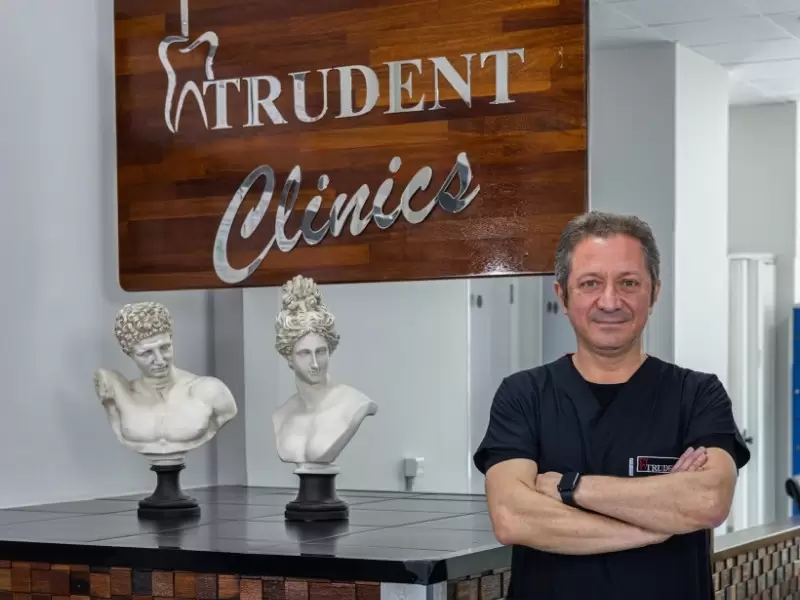
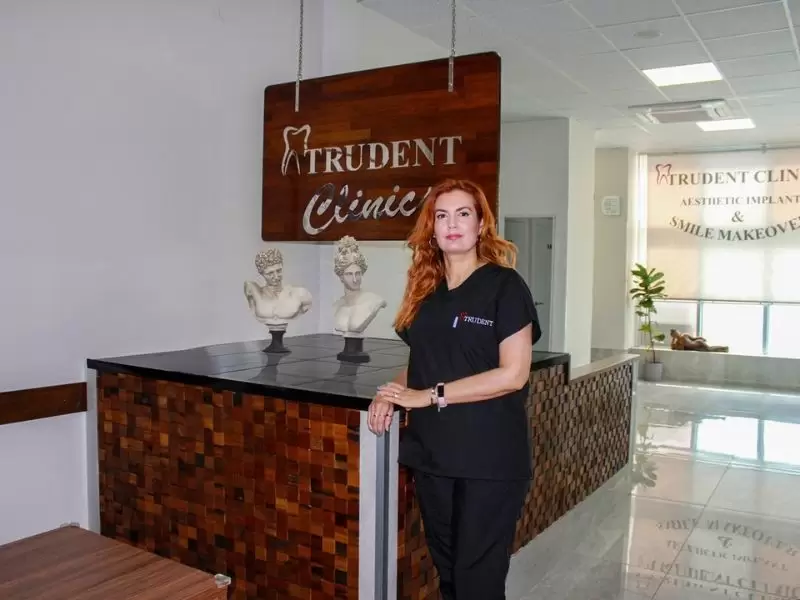
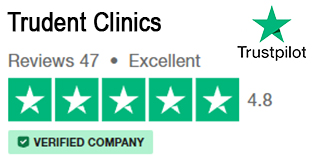
If you are considering treatment abroad, the same scrutiny applies. A reputable clinic will readily share the qualifications of its treating dentists, the sterilisation protocols it follows and the regulatory bodies that oversee its operation. TruDent Clinics in Izmir, for instance, is staffed by clinicians with international training and treats a steady stream of patients from Sydney, Melbourne and Perth who travel specifically for aesthetic work.
Compare pricing structures and transparency
Aesthetic dental fees in Australia are largely unregulated and can vary dramatically between practices in the same postcode. A veneer quoted at $1,800 in one Bondi clinic might cost $2,800 a few streets away, with no obvious difference in the quality of materials or the experience of the clinician. This makes transparent pricing a useful proxy for honesty more generally.
A trustworthy practice will provide a written treatment plan that itemises every cost, including the consultation, scans, temporary restorations, laboratory work and any follow-up appointments. They will also explain what happens if something goes wrong, what guarantees they offer on the work and whether revisions are included in the original fee. Vague answers to these questions are a red flag.
For Australians weighing treatment at home against travel overseas, the comparison is rarely as straightforward as the headline price suggests. Factor in flights, accommodation, time off work and the cost of any corrective work that might be needed once you return. A slightly higher overseas fee that includes comprehensive aftercare, top-quality materials and a clear warranty can end up being better value than the cheapest local quote.
Consider the full treatment experience, not just the final result
A stunning smile delivered through a stressful process is rarely a happy memory. Think about what the experience itself will feel like. Will the clinic arrange airport transfers if you are travelling? Is there an in-house laboratory that speeds up the workflow? Does the team speak your language fluently, or will important conversations be filtered through a translator?
Comfort during treatment is another consideration. Some clinics offer sedation for anxious patients, others provide noise-cancelling headphones or entertainment during longer appointments. These touches are not trivial. Aesthetic work often requires multiple visits, and a calm environment makes each one easier to get through.
Aftercare is where many clinics, both in Australia and overseas, are weakest. Ask who will see you if a veneer chips six months later, how easily you can reach the clinic with concerns, and whether they offer virtual follow-ups for international patients. A dentist who is invested in the long-term success of your smile is the one who deserves to plan it.
If you have been thinking about refining your smile and want a clinician who will treat it as a collaborative project rather than a transaction, the team at TruDent Clinics would love to hear from you. Their aesthetic dentists in Izmir work with patients from across Australia to design treatments that balance facial harmony, material science and personal taste, and every plan begins with a detailed consultation where your goals lead the conversation. Reach out through the website to schedule a video assessment, share a few reference photos, and find out what your smile could become with the right hands guiding it.