Dental Implant Or Bridge: Finding The Right Tooth Replacement
Replacing a missing tooth can restore chewing function, improve speech, and support a balanced smile. Two of the most established options are a dental implant and a fixed dental bridge. Although both can provide a natural-looking result, they work in very different ways and suit different oral health situations.
The right choice depends on factors such as the number of missing teeth, the condition of neighboring teeth, jawbone density, overall health, budget, treatment timing, and personal preferences. A consultation with an experienced dentist is essential because the best-looking option is not always the most suitable one for long-term oral function.
At TruDent Clinics in Izmir, Turkey, treatment planning begins with an assessment of your teeth, gums, bite, and bone structure. Digital imaging and a personalized discussion can help clarify whether an implant-supported restoration, a bridge, or another tooth replacement solution is appropriate.
What Each Treatment Involves
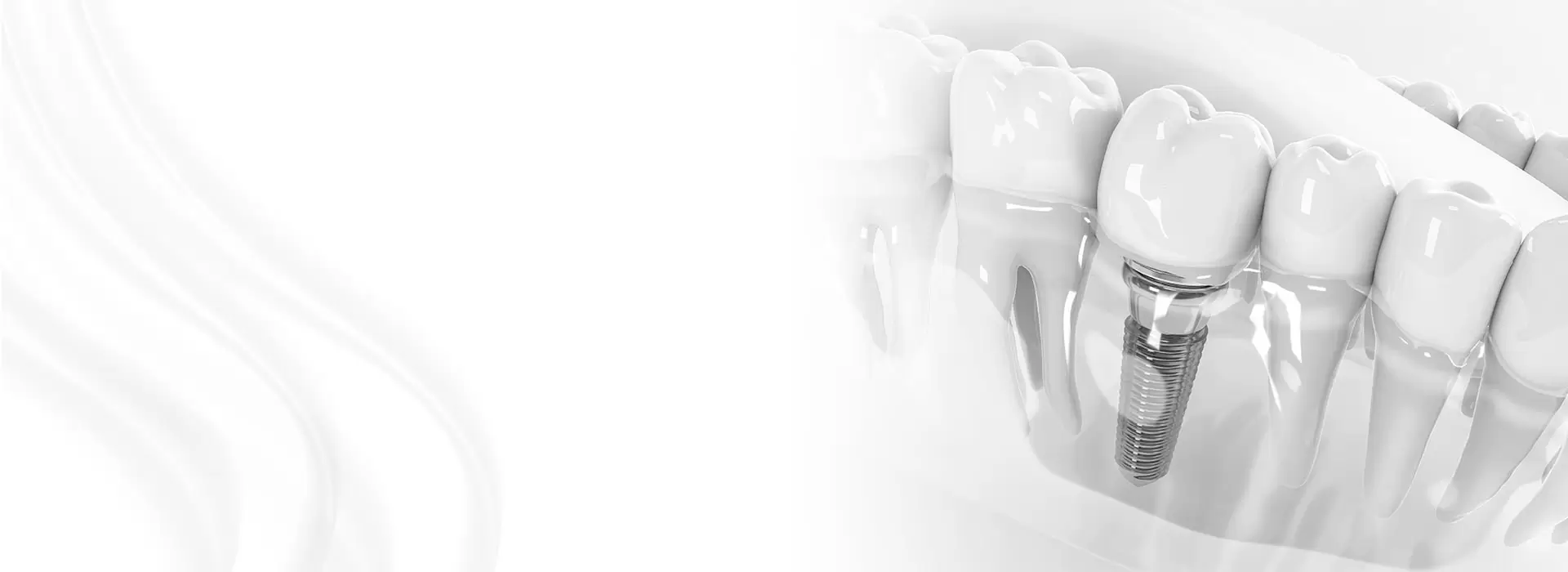
A dental implant replaces the root as well as the visible part of a missing tooth. The dentist places a small titanium or other biocompatible post into the jawbone. Once the implant has integrated with the bone, an abutment and custom-made crown are attached. This creates an independent tooth replacement that does not rely on neighboring teeth for support.
A dental bridge fills the gap with one or more artificial teeth, called pontics. These teeth are held in place by crowns fitted over the natural teeth next to the gap or, in some cases, by other forms of dental support. A traditional bridge is fixed in the mouth, so it cannot be removed by the patient during normal use.
Both treatments can be designed to match the color, shape, and proportions of your existing teeth. The difference is that an implant is anchored in the jaw, while a bridge spans the space between supporting teeth.
Comparing Function, Appearance, And Durability
Implants often feel more like natural teeth because they are secured within the jaw. They can provide stable biting strength and help reduce the bone loss that commonly occurs after tooth loss. Since the neighboring teeth are not cut down for support, healthy surrounding enamel is preserved.
A bridge can also restore comfortable chewing and create a seamless smile. However, the supporting teeth usually need to be reshaped, and the bridge area requires careful cleaning beneath the pontic. Floss threaders, interdental brushes, or water flossers may be recommended to remove trapped food and plaque.
The lifespan of either restoration depends on oral hygiene, bite forces, diet, smoking habits, gum health, and regular dental visits. An implant crown and a bridge may both serve for many years, but neither is entirely maintenance-free. A dentist should explain how the design of your restoration affects its expected longevity.
When An Implant May Be The Better Choice
A single-tooth implant may be attractive when the teeth on either side of the gap are healthy. Instead of preparing those teeth for crowns, an implant replaces the missing tooth independently. This can be especially valuable when preserving natural tooth structure is a priority.
Implants may also be considered when several teeth are missing. Multiple implants can support separate crowns, a fixed bridge, or an implant-retained denture. The final arrangement depends on bone availability, the location of the missing teeth, and the desired level of stability.
An implant procedure requires sufficient bone and healthy gums. If bone has reduced after tooth loss, bone grafting or another preparatory procedure may be needed. Certain medical conditions, uncontrolled diabetes, heavy smoking, and inadequate oral hygiene can also affect healing and must be discussed honestly with the dentist.
When A Bridge Can Make Sense
A bridge may be suitable when the neighboring teeth already have large fillings, crowns, or structural damage and would benefit from being covered. In that situation, using them as bridge supports can provide both protection and tooth replacement. A bridge can also be useful when an implant is not recommended or when a patient prefers to avoid oral surgery.
Treatment with a fixed bridge is usually faster than implant therapy. After the supporting teeth are prepared, impressions or digital scans are taken and a temporary restoration may be fitted. The permanent bridge is then checked for comfort, bite, color, and appearance before being cemented into place.
A bridge is not automatically a less advanced option. It can be a practical, predictable restoration when the case is carefully selected. However, the condition of the supporting teeth is critical. If one of those teeth later develops decay, gum disease, or root problems, the stability of the entire bridge may be affected.
Cost, Treatment Time, And Daily Care
The price of tooth replacement varies according to the number of teeth involved, the materials used, diagnostic imaging, laboratory work, and whether additional procedures are needed. An implant may have a higher initial cost because it involves surgery, an implant component, an abutment, and a crown. A bridge may have a lower starting cost, although replacing or repairing it in the future should also be considered.
Implant treatment often takes several months because the bone needs time to heal around the implant before the final crown is fitted. Some patients may receive a temporary tooth during this period. A bridge can often be completed within a few appointments over a shorter period, depending on the complexity of the case.
| Factor |
Dental Implant |
Fixed Dental Bridge |
| Main support |
Implant post integrated with jawbone |
Crowns or other supports on neighboring teeth |
| Effect on adjacent teeth |
Usually preserves healthy neighboring teeth |
Supporting teeth are commonly prepared |
| Treatment time |
Often several months |
Commonly completed more quickly |
| Surgery |
Usually required |
Usually not required |
| Bone preservation |
Helps stimulate and maintain bone in the area |
Does not replace the missing root |
| Cleaning |
Brush and clean around the implant and crown |
Clean under the pontic and around support crowns |
| Best suited to |
Adequate bone, healthy gums, and suitable general health |
Strong supporting teeth or patients avoiding surgery |
Neither option should be selected based on price or speed alone. A durable result depends on the quality of the supporting structures and how well the restoration fits your bite. Your dentist can explain the full estimated cost and timeline before treatment begins.
Health And Lifestyle Factors To Discuss
Your medical history can influence implant healing and bridge planning. Tell the dentist about medications, allergies, diabetes, previous radiation therapy, osteoporosis treatment, pregnancy, and any history of gum disease. These details do not automatically rule out treatment, but they may change the timing or require additional precautions.
Smoking can interfere with gum health and implant integration. Teeth grinding or clenching may place extra pressure on an implant crown or bridge, so a protective night guard could be recommended. Bite alignment is also important because uneven forces may cause porcelain chipping, loosening, or discomfort.
Age alone is rarely the deciding factor. A healthy older adult may be a good implant candidate, while a younger patient with active gum disease may need periodontal treatment first. The dentist should evaluate the whole mouth rather than focusing only on the visible gap.
Questions To Bring To Your Consultation
A careful consultation should compare the long-term implications of both choices rather than present a single treatment automatically. Ask whether the neighboring teeth are healthy enough to support a bridge, whether there is adequate bone for an implant, and whether gum treatment or bone augmentation is required.
You should also receive information about the materials, temporary options, cleaning routine, expected maintenance, possible complications, and what happens if the restoration needs repair. If you are considering treatment abroad, clarify the schedule for follow-up appointments and how future care will be managed after returning home.
A personalized treatment plan may include digital scans, X-rays, photographs, and a bite assessment. At TruDent Clinics, these findings can be used to discuss cosmetic goals as well as function, so the replacement tooth harmonizes with the rest of your smile.
Practical Points For Making A Decision
Use the following considerations to organize your discussion with the dental team:
- Choose an implant when preserving healthy neighboring teeth and replacing the missing root are important priorities.
- Consider a bridge when the adjacent teeth already need crowns, treatment must be completed quickly, or surgery is not suitable.
- Treat active gum disease, decay, or infection before beginning either restorative option.
- Compare the complete treatment cost, including imaging, temporary teeth, preparatory procedures, and future maintenance.
- Select the option that fits your bone health, bite, medical history, hygiene routine, and long-term expectations.
A missing tooth can affect more than appearance, so delaying care may allow neighboring teeth to shift or the jawbone to lose volume. Early assessment gives you more options and makes it easier to plan treatment around work, travel, and other commitments.
Schedule a consultation with TruDent Clinics in Izmir to receive an examination and individualized comparison of a dental implant and a bridge. The team can explain the procedures, timeline, materials, and aftercare so you can move forward with a replacement that supports a healthy, functional, and confident smile.