Dental bonding or veneers for a single tooth: how to choose
When one tooth spoils an otherwise tidy smile, the rest of the mouth often looks fine, and only that single offender pulls focus in every group photo or video call. A chipped incisor, a stubborn patch of discolouration, or a slightly undersized lateral can quietly become the thing you notice first every time you catch your reflection. The good news is that fixing just one tooth doesn't have to mean a mouthful of cosmetic work.
In Australia, cosmetic dental treatment often comes with a price tag that makes people pause, especially when it's only one tooth that bothers them. Patients in Sydney and Melbourne commonly find that even a single porcelain veneer at a private practice can run well into four figures before any health fund rebate. With extras cover carrying a twelve-month waiting period for major dental, plenty of people wonder whether a shorter trip overseas might tick the box.
That's where the choice between composite bonding and a porcelain veneer starts to matter. Both can transform a single tooth, yet they sit at very different points on the spectrum of cost, prep, and longevity. The right answer depends less on what your mate down at the pub had done, and more on the exact flaw you're fixing and what you can realistically keep up with day to day.
Knowing what each material actually does, what it costs locally, and how it ages over time is the simplest way to land on a decision you'll still be happy with in five years. A quick chat with a clinician, plus a few minutes weighing the trade-offs below, usually clears things up faster than you'd expect.
What each option actually does to a single tooth
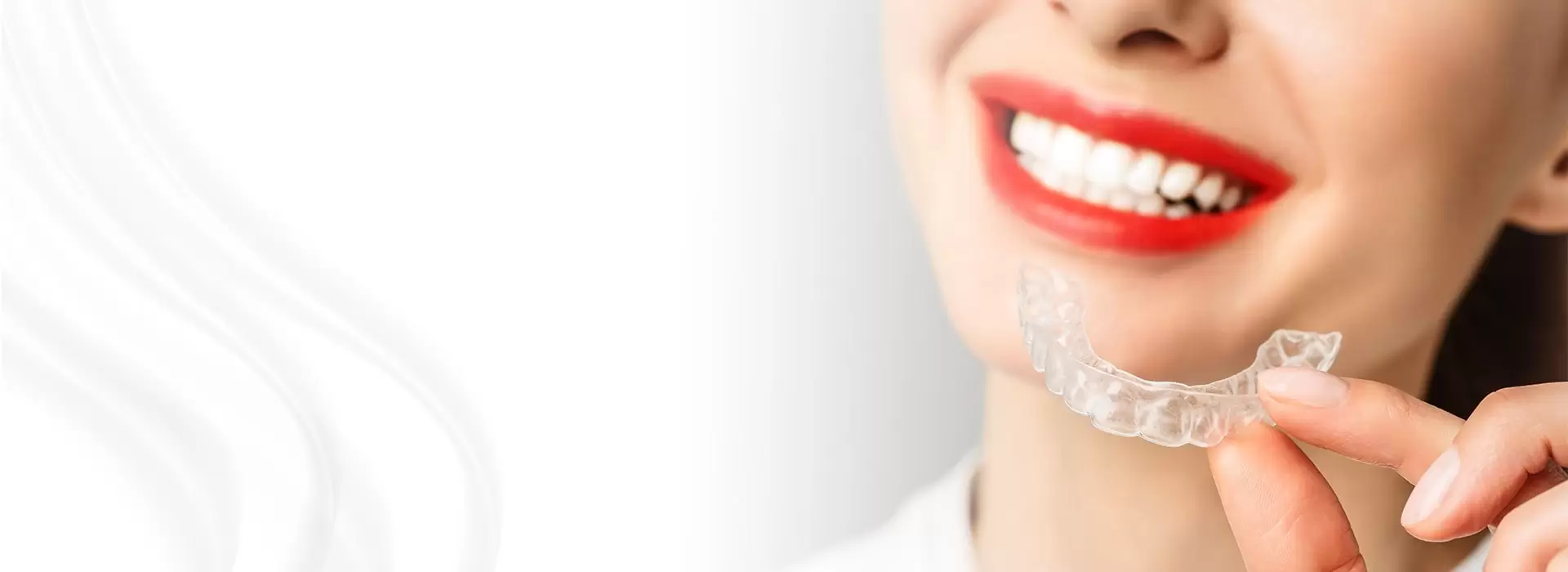
Composite bonding is a sculpt-and-set technique. The dentist layers a tooth-coloured resin directly onto the enamel, shapes it by hand to fix a chip, close a small gap, or build out an undersized edge, then hardens it under a curing light. Nothing is fabricated in a lab, and almost no enamel is removed beforehand, which makes it a remarkably conservative way to restore shape and shade in a single appointment.
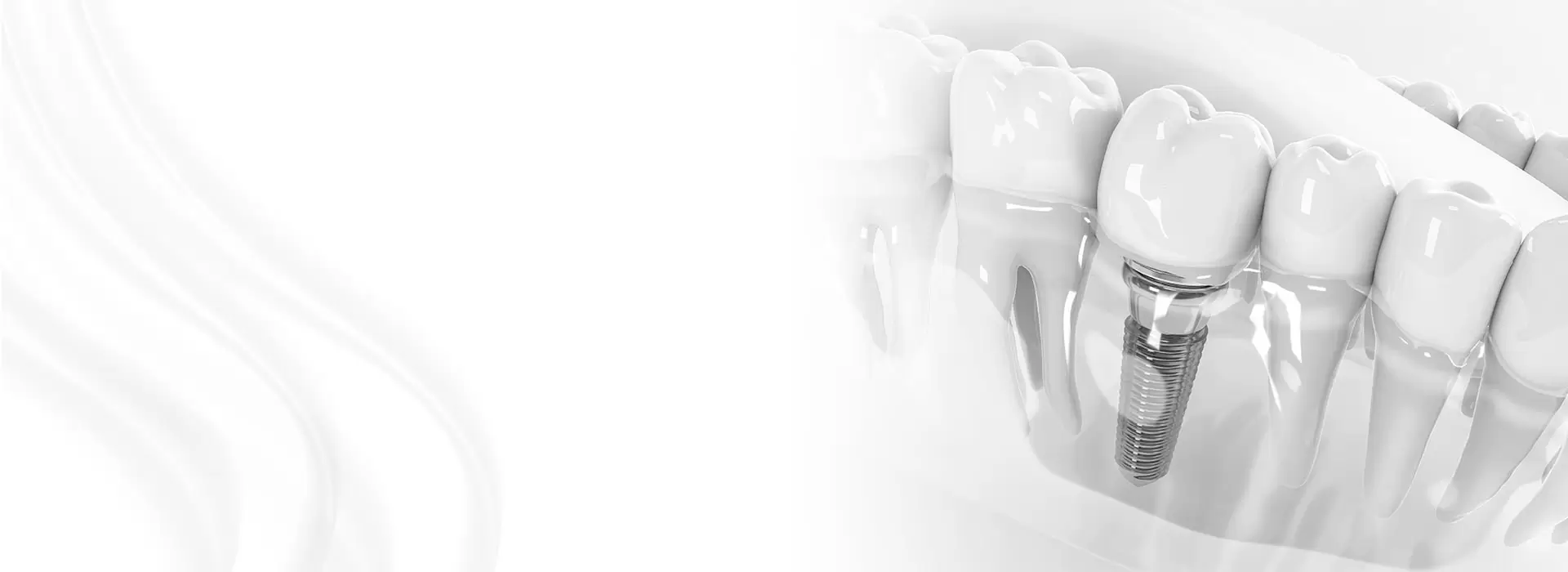
A veneer, by contrast, is a thin shell of porcelain bonded onto the front of the tooth. Because of its thickness, a sliver of enamel usually needs to be filed back so the finished tooth doesn't look bulky. An impression or scan is sent to a ceramist who matches the shade and shape, with the final piece cemented in place at a second visit. The result is a custom-made restoration rather than something sculpted chairside.
How long they tend to last in everyday use
Composite bonding on a single tooth typically lasts somewhere between four and eight years, depending on how heavily you bite into things and whether you're a grinder. It can pick up stain around the edges over time, especially if you're a flat-white-a-day type, and small chips are not uncommon. The upside is that when something does go wrong, a quick polish or a small patch is usually all that's needed.
A well-made porcelain veneer, properly looked after, can easily stretch past fifteen years. Porcelain doesn't stain the same way resin does, so the shade tends to stay truer. It's also stronger against general wear, though not invincible — a vegemite jar lid at the wrong angle can still crack one. For a single front tooth that takes a lot of visual and biting pressure, longevity often swings the vote towards porcelain.
Matching the treatment to the actual flaw
The shape of the problem usually points you towards the right fix. For a small chip on the biting edge of an incisor, composite bonding is hard to beat — the dentist can rebuild the missing bit with resin that flows into the surrounding enamel, and the repair is virtually invisible. Same goes for a tiny dark triangle between two front teeth, or a tooth that's come through slightly shorter than its neighbour.
Where bonding struggles is with deep intrinsic discolouration, large old fillings, or a tooth that's noticeably out of position. Porcelain, being opaque and fully custom, can mask stubborn staining and reshape a tooth far more dramatically than resin. If the issue is also functional — a worn, cracked, or heavily filled tooth — a veneer (or sometimes a crown) gives the underlying structure more protection than a thin layer of bonded composite.
The cost picture in Australia
In a private Australian practice, composite bonding on a single tooth generally lands somewhere between $250 and $600, while a single porcelain veneer can climb from roughly $1,500 to $2,500 or more depending on the city and the ceramist involved. With a fund like Bupa, HCF, or Medibank, you might claw back a portion through your extras cover, but cosmetic work is often capped or excluded, and the waiting periods can stretch a year.
That pricing gap is one reason patients in Brisbane and Perth increasingly look at clinics in places like Izmir, where a single veneer can cost a fraction of the local price once flights and accommodation are factored in. Before booking any overseas trip for treatment, it's worth reading the clinic's term-and-conditions carefully, particularly around guarantees, revisions, and what happens if you need a follow-up back home.
How natural the result actually looks
Both materials can be made to blend in beautifully when done well, but they get there in different ways. Composite relies on the dentist's eye and skill to layer shades and translucencies directly on the tooth. A good clinician can mirror the neighbouring teeth so closely that you'd struggle to tell which one was worked on, but there's less room for error in a single sitting.
Porcelain, fabricated from a scan or impression, lets a ceramist fine-tune the shade against the surrounding dentition under controlled lighting. The surface texture and light reflection tend to mimic enamel a touch more faithfully, particularly on a central incisor that sits dead-centre in your smile. For a single tooth in a highly visible spot, that extra layer of precision can be worth the extra cost and prep.
What the appointment itself involves
A bonding appointment is genuinely quick. After a shade match, the tooth is lightly etched, a bonding agent applied, and the resin built up in layers. Most single-tooth bonding is done without anaesthetic in around thirty to sixty minutes, and you walk out looking noticeably different the same afternoon. It's one of the few cosmetic treatments where a single visit genuinely finishes the job.
Veneers need at least two appointments. The first involves prepping the tooth, taking scans or impressions, and fitting a temporary. Two to three weeks later, the finished porcelain is tried in, adjusted if needed, and bonded permanently. Some patients find the temporary phase a bit awkward, especially if it's a front tooth, but a well-managed clinic will keep that window short and the temporaries tidy.
Caring for the result once it's in place
Bonding needs a little more everyday caution than porcelain. The resin can stain from red wine, curry, tea, and smoking, and it's wise to cut up hard foods rather than tear into them. A soft brush, non-abrasive toothpaste, and six-monthly cleans keep it looking fresher for longer. Small chips and wear marks can usually be patched in a quick visit without redoing the whole thing.
Veneers are easier to live with once they're settled. You still need to floss around them, avoid opening packages with your teeth, and wear a night guard if you clench. Coffee and curry won't tint porcelain the way they tint resin, so day-to-day habits barely change. If anything does fail, the tooth underneath usually needs a fresh veneer rather than a simple patch.
If you're weighing up which route suits your one problem tooth, the most useful next step is a proper consultation with photographs, a shade assessment, and a clear written quote covering both options side by side. TruDent Clinics in Izmir offers exactly that kind of single-tooth planning, with personalised treatment plans built around the specific flaw rather than a one-size package. Book a consultation online and bring along a photo of the tooth that bothers you — the answer about composite versus porcelain usually becomes obvious within minutes of looking at it together.