Choosing Between Metal-Free and Traditional Dental Implant Materials
Dental implants have become one of the most reliable ways to replace missing teeth, and Australian patients are increasingly weighing their options between modern ceramic solutions and time-tested titanium fixtures. Every year, thousands of people in Sydney, Melbourne, Brisbane, Perth and Adelaide undergo consultations to address single-tooth gaps, multiple losses, or full-arch rehabilitation. The conversation has shifted from whether to get an implant to which type of implant best matches a patient's biology, smile goals, and budget.
A growing number of Australians are exploring treatment abroad, particularly in destinations such as Izmir, where clinics like TruDent Clinics offer both aesthetic and general dentistry at a fraction of local prices. While the cost difference is appealing, the clinical decision about materials remains the same regardless of where treatment takes place. Patients still need to understand what goes into their jaw and why.
The two dominant categories in modern implantology are metal-free zirconia (ceramic) implants and traditional titanium implants. Both are considered endosteal devices, meaning they sit within the bone, and both rely on a process called osseointegration to fuse with the jaw. Yet the materials behave differently, age differently, and interact with soft tissue in distinct ways.
This guide breaks down the key factors that matter when making that choice, from aesthetics and allergy concerns to long-term strength and Australian-specific cost considerations. The goal is to help patients enter a consultation with clarity rather than confusion.
Material Composition and How Each Implant Works
Traditional dental implants are typically made from commercially pure titanium or titanium alloys such as Ti-6Al-4V. Titanium has been used in implantology since the 1960s, and its track record is unmatched in terms of clinical studies. The metal forms a thin oxide layer on its surface that encourages bone cells to attach directly to the fixture, creating a stable anchor for an abutment and crown.
Metal-free implants, often called ceramic implants, are most commonly manufactured from yttria-stabilized tetragonal zirconia polycrystal (Y-TZP). This is a high-strength zirconium dioxide ceramic that is white in colour, biocompatible, and free of any metallic content. Because zirconia does not conduct electricity or heat the way metal does, some patients report a different sensation in the mouth, especially in extreme cold.
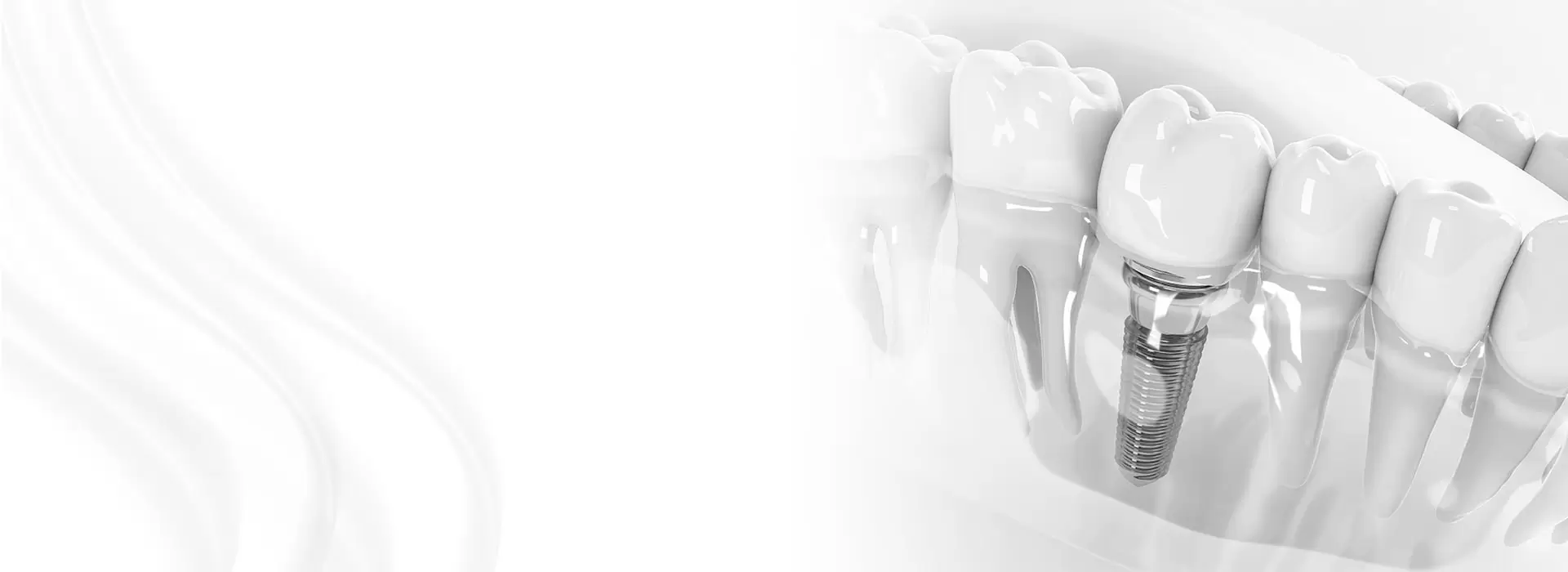
Both designs follow the same structural pattern: a screw-like fixture placed into the bone, an abutment that connects the fixture to the prosthetic tooth, and the visible crown. The internal engineering differs slightly, with most zirconia systems being a single piece rather than a two-piece assembly, which influences surgical flexibility and future maintenance.
Aesthetic Differences in the Gum Line
For patients with thin gingival biotypes, the choice of implant material can visibly change the smile. Titanium, although grey beneath the gum, is usually hidden when the soft tissue is thick enough. In cases of gum recession, a common issue among older Australians and those with a history of periodontal disease, the grey hue of a titanium fixture can begin to show through, creating a darkened zone near the crown margin.
Zirconia eliminates this concern because the material is naturally tooth-coloured. Even if the gum recedes over time, the implant will not cast a dark shadow. This makes ceramic fixtures especially attractive for anterior (front) restorations, where the aesthetic outcome is paramount. Patients who have lost front teeth through trauma, decay, or failed root canals often prioritise this benefit.
In the posterior region, where teeth are not visible during normal conversation or smiling, the aesthetic difference is largely irrelevant. Many clinicians therefore recommend titanium for molars and premolars, reserving zirconia for visible areas. That said, some patients prefer a fully metal-free mouth for personal or holistic reasons, regardless of where the implant sits.
Biocompatibility and Allergic Reactions
Titanium is widely regarded as one of the most biocompatible materials in medicine, used in joint replacements, spinal hardware, and dental implants. True titanium allergies are rare, but documented cases exist in clinical literature. Symptoms can include localised inflammation, bone loss around the fixture, eczema, or chronic fatigue. Patients with a known sensitivity to other metals, such as nickel in jewellery, sometimes request alternatives as a precaution.
Zirconia is chemically inert, meaning it does not release ions into surrounding tissue. For patients with autoimmune conditions, a history of multiple sensitivities, or those who simply wish to avoid metal in their body, ceramic implants offer peace of mind. The surface of zirconia also accumulates less plaque compared to titanium in some studies, which may reduce the risk of peri-implantitis, a serious inflammatory condition that threatens implant survival.
In Australia, the Therapeutic Goods Administration (TGA) regulates both materials as Class IIb medical devices. This means any implant placed legally in the country has passed rigorous safety testing, whether sourced domestically or imported through accredited clinics. Patients considering treatment abroad should confirm that the clinic uses TGA-equivalent or CE-marked components.
Strength, Durability and Long-Term Performance
Titanium's mechanical strength is one of its strongest features. The metal can flex slightly under chewing pressure, distributing forces more evenly through the bone. Long-term survival rates for titanium implants exceed 95% over ten years in non-smokers with good oral hygiene. Australian data from the Australian Dental Association (ADA) shows similar outcomes in private practice settings.
Early ceramic implants were prone to fracture, especially in single-piece designs. Modern Y-TZP zirconia, however, has substantially improved. Current peer-reviewed studies report five-year survival rates above 93%, with most failures occurring in the posterior maxilla where bite forces are highest. Two-piece zirconia systems are now available, giving surgeons more flexibility in challenging placements.
For patients who grind their teeth (bruxism) or who have heavy bites, titanium is generally the safer choice. Some clinicians will combine materials, using a titanium fixture in the molar region and a zirconia abutment or crown for aesthetics, which can be a sensible compromise.
Cost Considerations in the Australian Context
In Australia, a single titanium implant including the crown typically ranges from AUD $3,000 to $6,500 depending on the city and clinician's expertise. Sydney and Melbourne prices tend to sit at the higher end, while Adelaide and regional Queensland clinics may offer slightly lower rates. Private health insurance through providers such as Bupa, Medibank or HCF often covers part of the surgical component, but the prosthetic crown is frequently out-of-pocket.
Zirconia implants are usually 20-40% more expensive than titanium in the local market, reflecting higher material costs and longer surgical planning. Travelling to Turkey for treatment has become an attractive option for many Australians, with packages at clinics like TruDent Clinics in Izmir often including consultation, surgery, crown, accommodation and transfers for a lower total than the Australian quote alone. The internationally trained specialists and recognised component brands make this a viable path for budget-conscious patients, provided aftercare arrangements are clear.
The Australian government's Child Dental Benefits Schedule and the public dental system rarely cover implants for adults, leaving most patients to fund their own treatment. This financial reality, more than any clinical factor, drives the dental tourism trend that sees thousands heading overseas each year.
Suitability for Different Clinical Cases
Not every patient is a candidate for both materials. Factors that influence the recommendation include bone quality, the location of the missing tooth, gum thickness, aesthetic demands, and general health. A heavy smoker, for instance, faces a higher risk of implant failure with either material, while a non-smoker with good bone density typically enjoys predictable outcomes with either option.
| Feature |
Titanium Implants |
Zirconia (Ceramic) Implants |
| Material |
Commercially pure titanium or alloy |
Yttria-stabilized zirconia (Y-TZP) |
| Colour |
Grey/metallic |
Tooth-coloured white |
| Osseointegration |
Extensive long-term data |
Strong, slightly shorter track record |
| Best location |
Posterior and full-arch cases |
Anterior aesthetic zone |
| Allergy risk |
Very low, but possible |
Essentially none |
| Plaque accumulation |
Low to moderate |
Lower in some studies |
| Strength |
High, slight flex under load |
High, more rigid |
| Typical lifespan |
20+ years documented |
10-15 years documented |
| Cost in Australia (single + crown) |
AUD $3,000-$6,500 |
AUD $4,000-$8,500 |
Situations that favour one material over the other
- Front-tooth replacement in a patient with a thin or receding gum line, where the grey of titanium may eventually show.
- Full-mouth rehabilitation in a patient with heavy bite forces or a history of bruxism, where titanium's flexibility is beneficial.
- Patients with known metal sensitivities, autoimmune conditions, or a personal preference for holistic, metal-free dentistry.
- Posterior molar replacement where aesthetics are not a concern and long-term data is the priority.
Signs you should ask your clinician for a deeper material review
- Recurring inflammation or bone loss around an existing titanium fixture.
- A confirmed nickel or titanium allergy from a dermatologist or immunologist.
- A high smile line that exposes the gum margin when speaking or laughing.
- Plans to combine implant work with other full-mouth cosmetic procedures such as veneers or whitening.
Choosing the right implant material is ultimately a partnership between the patient and the treating clinician. Bring a clear list of priorities covering appearance, longevity, allergy profile, and budget to the consultation, and ask the dentist to walk through the radiographic findings, bone density, and gum health before settling on a system. Clinics such as TruDent Clinics in Izmir offer personalised treatment plans that incorporate both options, and their team can coordinate with a patient's local Australian dentist for ongoing maintenance and reviews once the patient returns home. Booking a video or in-person consultation today is the most practical next step toward a confident, well-informed decision about your smile.