Choosing the right restoration for front teeth
Front teeth play a central role in your smile, speech, facial appearance, and bite. When they are chipped, discoloured, worn, weakened, or extensively restored, two common options are porcelain veneers and dental crowns. Although both can improve aesthetics, they protect and replace tooth structure in very different ways.
The best choice depends on how much healthy enamel remains, whether the tooth has been root canal treated, the strength of your bite, and the result you want to achieve. A veneer may be suitable for a mostly intact tooth with cosmetic concerns, while a crown can provide broader protection when the tooth is structurally compromised.
A professional assessment is essential before deciding. At TruDent Clinics in Izmir, Turkey, the dental team can examine your teeth, discuss your goals, and create a personalized treatment plan based on function as well as appearance.
What veneers and crowns are designed to do
Veneers are thin, custom-made shells bonded to the visible front surface of a tooth. They are commonly produced from porcelain or another tooth-coloured ceramic material. Veneers can alter the colour, shape, length, and minor alignment of front teeth while preserving much of the natural tooth structure.
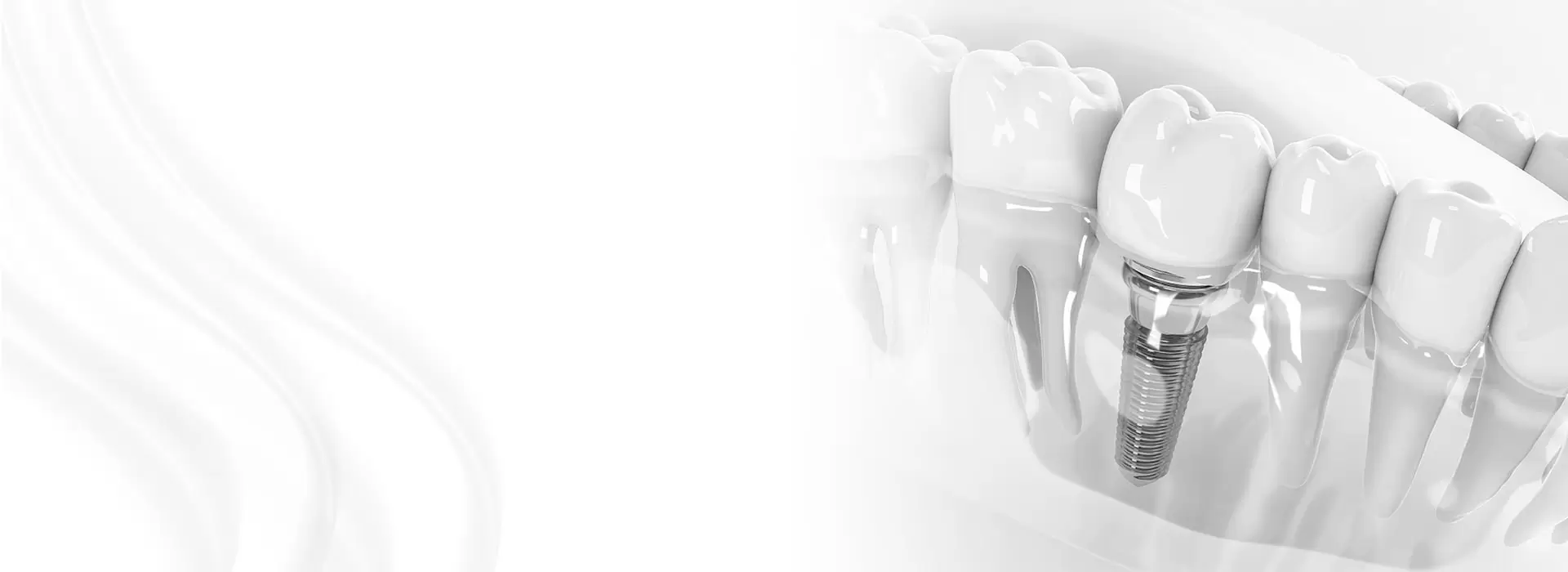
A crown, sometimes called a dental cap, covers the entire visible portion of a prepared tooth. It is usually recommended when a tooth has lost significant structure through decay, trauma, large fillings, erosion, or previous treatment. A crown can restore the tooth’s shape and help it withstand normal biting forces.
The distinction is important: veneers are primarily cosmetic restorations with some protective value, whereas crowns are restorative solutions designed to reinforce a weakened tooth. Choosing based only on appearance may lead to an unsuitable treatment if the underlying tooth is not strong enough.
When a veneer may be the better option
Porcelain veneers may be appropriate when the front teeth are generally healthy and structurally sound but have aesthetic imperfections. They can address persistent staining that does not respond well to whitening, small chips, uneven edges, mild shape irregularities, and slight spacing. Veneers are also used as part of a smile makeover when several teeth need coordinated cosmetic changes.
Because veneers cover only the front surface, they usually require less removal of natural enamel than crowns. Maintaining healthy enamel can support a strong bond between the veneer and the tooth. However, a small amount of preparation may still be needed to create the correct thickness and ensure a natural-looking result.
Veneers are not suitable for every patient. Active tooth decay, untreated gum disease, severe enamel loss, heavy teeth grinding, or a deep bite can affect their success. Bruxism may place excessive pressure on the ceramic, so a night guard or another protective approach may be recommended.
When a crown offers greater protection
Crowns are often considered when a front tooth is cracked, heavily filled, severely worn, or weakened after root canal therapy. A tooth with insufficient walls to support a veneer may need full coverage to reduce the risk of further fracture. Crowns can also restore teeth that have suffered substantial trauma or have extensive decay.
A crown may be the more predictable option when the tooth’s appearance and function both need significant correction. Modern all-ceramic and porcelain-fused materials can be designed to resemble natural enamel, with attention to translucency, colour, gum contours, and the proportions of neighbouring teeth.
Full coverage requires more tooth preparation than a veneer. For this reason, the dentist must determine whether the tooth can be restored conservatively or whether additional support is necessary. In some cases, a post and core or other treatment may be needed before the final crown is placed.
Comparing appearance, strength, and preparation
The choice between these restorations should account for more than the immediate smile transformation. Material quality, laboratory expertise, bite design, oral hygiene, and regular dental care all influence longevity. A carefully planned veneer can look highly natural, while a well-designed crown can restore a severely damaged tooth without appearing bulky.
The following comparison provides a general guide. It cannot replace an examination, because two teeth that look similar from the outside may have very different internal conditions.
| Consideration |
Veneers |
Crowns |
| Coverage |
Front surface only |
Entire visible tooth |
| Main purpose |
Cosmetic improvement and minor reshaping |
Protection and restoration of weakened teeth |
| Tooth preparation |
Usually conservative |
More extensive |
| Suitable for |
Healthy teeth with aesthetic concerns |
Damaged, heavily restored, or weakened teeth |
| Typical materials |
Porcelain or ceramic |
All-ceramic, zirconia, or porcelain-fused materials |
| Effect on colour and shape |
Strong control over both |
Strong control over both |
| Resistance to major structural stress |
Limited by the remaining tooth and bite |
Generally greater protection |
| Reversibility |
Usually irreversible once enamel is prepared |
Irreversible because the tooth is reshaped |
| Common concern |
Chipping or debonding in unsuitable cases |
Greater removal of natural tooth structure |
Both treatments require good oral hygiene and professional maintenance. Ceramic restorations do not decay, but the natural tooth around or beneath them can still develop cavities. The gums must also remain healthy for the margins to stay comfortable and attractive.
Factors your dentist will assess
A detailed consultation starts with the condition of each tooth. The dentist may check for decay, cracks, enamel thickness, old fillings, gum recession, tooth sensitivity, and signs of infection. Dental X-rays or other imaging may be needed when there is concern about the root, bone, or previous root canal treatment.
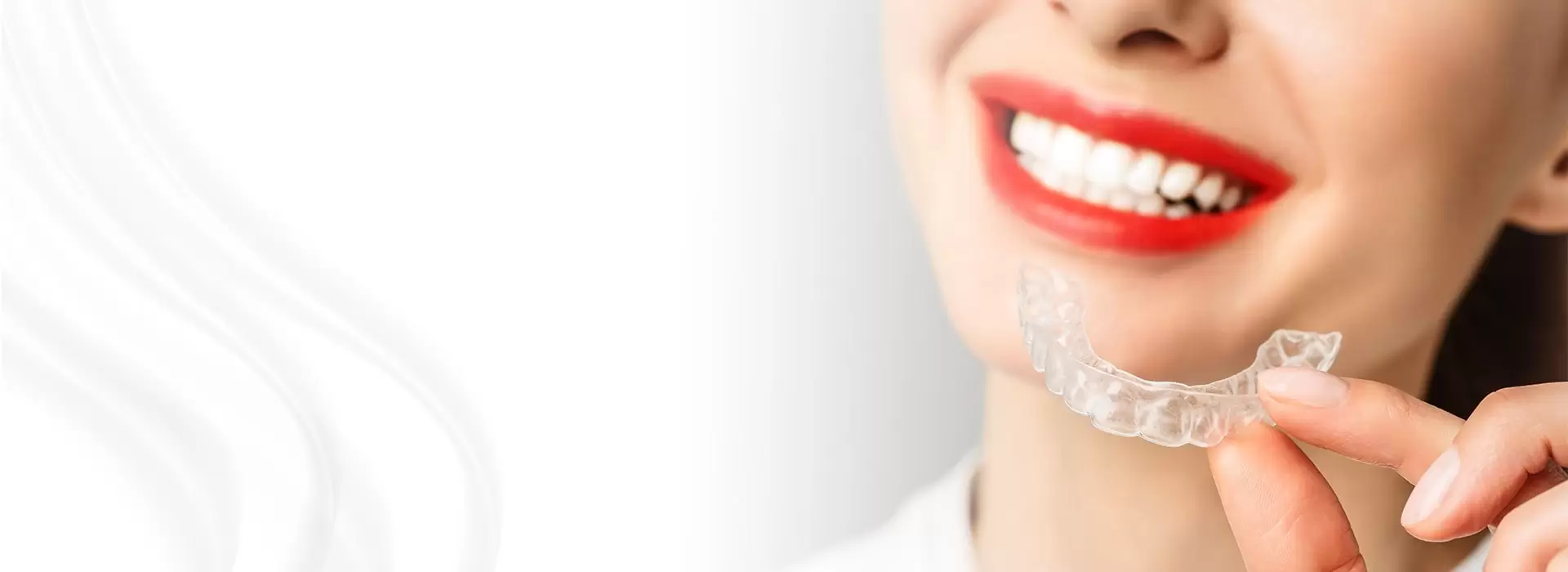
Your bite is another major consideration. Clenching, grinding, an overbite, or uneven contact between the upper and lower teeth can increase stress on veneers and crowns. If these issues are present, they may need to be managed before cosmetic dentistry proceeds. An invisible aligner treatment may sometimes be considered when tooth position contributes to the problem.
Your aesthetic preferences also matter. Shade, tooth length, symmetry, surface texture, and the amount of visible tooth can all be planned. Some patients want a subtle enhancement that preserves natural variation, while others prefer a more comprehensive smile makeover. Digital previews, photographs, and trial restorations may help you understand the proposed result.
Treatment planning and long-term care
Before placing veneers or crowns, any active dental disease should be treated. This may include fillings, gum therapy, root canal treatment, replacement of failing restorations, or management of tooth sensitivity. Whitening may also be completed beforehand, since ceramic restorations are matched to the chosen shade and cannot be bleached later.
The treatment process often includes an examination, photographs, scans or impressions, tooth preparation, and the creation of temporary restorations when necessary. The final restoration is checked for fit, colour, speech, comfort, and bite before it is bonded or cemented. At TruDent Clinics, this process is planned around the patient’s dental health, facial features, and desired outcome.
Daily brushing with a soft toothbrush, cleaning between the teeth, and routine dental visits help protect the restoration and the surrounding tissues. Avoiding habits such as biting pens, opening packages with your teeth, and chewing very hard objects can reduce the risk of damage. Patients who grind their teeth may benefit from a custom night guard.
Practical steps before choosing your restoration
An informed decision is easier when you understand the condition of each tooth and the limitations of each treatment. During consultation, ask for an explanation of why a veneer or crown is being recommended, how much natural tooth structure must be removed, and whether other treatments could solve the problem more conservatively.
Consider these recommendations:
- Request a full examination, including imaging when the tooth has trauma, extensive fillings, or root canal history.
- Discuss your bite, tooth-grinding habits, gum health, and any history of sensitivity before choosing a cosmetic restoration.
- Ask to see the proposed shade, shape, and treatment sequence through photographs, digital planning, or a temporary mock-up where appropriate.
- Confirm the material being used, the expected maintenance, and what to do if the restoration chips, loosens, or becomes uncomfortable.
- Choose a clinic that combines cosmetic dentistry with restorative and general dental care, so underlying problems are addressed before the final result is created.
Making a confident decision for your smile
There is no universal answer for every front tooth. Veneers can be an excellent choice for healthy teeth that need cosmetic refinement, while crowns can offer essential support when a tooth is weakened or extensively damaged. In some smile designs, both treatments may be used on different teeth to achieve balanced aesthetics and reliable function.
A consultation with an experienced dentist allows the decision to be based on enamel preservation, structural strength, bite stability, gum health, and your personal goals. The most attractive result is one that looks natural, feels comfortable, and remains healthy over time.
If you are considering porcelain veneers, crowns, or a complete smile makeover, schedule a consultation with TruDent Clinics in Izmir. The team can assess your front teeth and develop a personalized plan that supports both your smile and your long-term oral health.