Choosing the Right Season for Dental Tourism in Turkey
Dental tourism in Turkey can combine planned dental care with time in a historic, coastal city. For Australian patients considering veneers, crowns, implants, whitening, aligners or a complete smile makeover, the timing of the trip can affect flight prices, clinic availability, recovery comfort and sightseeing options. Izmir is especially appealing because it offers a Mediterranean climate, an international airport and access to the Aegean coast.
The best travel period depends on the treatment itself, your tolerance for heat, your work and school calendar, and how much flexibility you have if a dentist recommends an additional appointment. A carefully selected season can make the experience calmer and easier to manage from the first consultation through to the flight home.
Match The Season To Your Treatment
Spring and autumn are often comfortable periods for dental travel to Turkey. Temperatures are generally milder than in midsummer, making it easier to attend appointments, walk around Izmir and rest after treatment. These seasons can suit veneers, crowns, whitening and aligner consultations, particularly when the itinerary includes several clinic visits.
Implant treatment may require more planning than cosmetic procedures because healing continues after the initial placement. If your treatment involves surgery, choose a period when you can allow extra days in Turkey and avoid rushing between appointments. Your dentist may also recommend a review before departure or a later check-up with a local Australian dentist.
Summer can work well for patients who have school holidays or annual leave available, but it is also a busy travel season. Hot weather, crowded resorts and higher airfares may make the trip more tiring. Winter can offer quieter clinics and lower accommodation prices, although shorter daylight hours and possible weather disruptions should be included in your planning.
Understand Izmir’s Seasonal Rhythm
Izmir has hot, dry summers and cooler, wetter winters. June through August is popular with international visitors heading to places such as Çeşme, Alaçatı and Ephesus, so accommodation and domestic transport may cost more. If you plan to combine dental care with a coastal break, book well ahead and avoid scheduling strenuous excursions immediately after treatment.
April, May, September and October can provide a useful balance between pleasant weather and manageable visitor numbers. You may be able to spend time outdoors without the intense heat that can make swelling, fatigue or dehydration more uncomfortable. Mild conditions are also helpful when attending early appointments or travelling to and from the airport.
Winter is less predictable but can be practical for patients focused primarily on treatment. Clinic schedules may be more flexible, hotels can be less expensive and popular attractions are quieter. Allow buffer time for rain, flight delays and slower ground transport, especially if your appointment is close to your planned return date.
Work Around Australian Leave Patterns
Australian patients often need to coordinate treatment with annual leave, university schedules or school holidays. December and January are popular travel months across Australia, while September and late June can be busy for families in Sydney, Melbourne and Brisbane. These periods may offer more time away from work but can also bring higher international fares and crowded airports.
A shorter trip may be suitable for whitening or an initial cosmetic consultation, while crowns, veneers and implants may need a longer stay. Avoid treating the return flight as the final fixed point if the clinic has advised that the temporary restoration, bite or healing should be reviewed. A flexible ticket can be worthwhile when the procedure has several stages.
Everyday habits can affect recovery planning as well. Australians often combine overseas travel with restaurant meals, coffee stops and long walking days. After dental surgery, you may need soft foods, careful brushing and limited alcohol, so choose accommodation near the clinic with a kitchenette or reliable room-service options.
Compare Clinics Before Booking Flights
Seasonal timing matters only after the clinic meets appropriate standards. Review the dentist’s qualifications, the clinic’s infection-control procedures, the materials used, the proposed treatment sequence and the arrangements for follow-up care. Ask for a written quotation that separates clinical fees from accommodation, transfers, scans, laboratory work and any possible additional procedures.
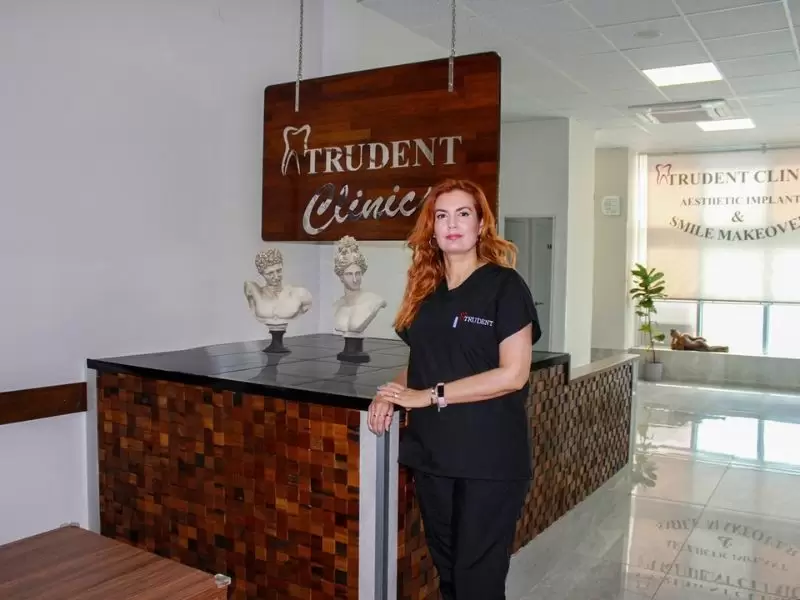
Look for a treatment plan based on your dental records rather than a package built around a fixed number of days. Quality providers may request panoramic X-rays, photographs or a video consultation before confirming what can realistically be completed. For an example of the type of provider information patients can review, see these clinic credentials before comparing options.
Australian dental care operates within a regulated local system, with registered practitioners overseen through the Australian Health Practitioner Regulation Agency. Overseas clinics are not subject to the same Australian registration pathway, so patients should independently verify credentials and understand who will manage complications after returning home. The Australian Dental Association also encourages consumers to consider the risks and limitations of treatment abroad.
Plan Flights And Recovery Carefully
Flying soon after invasive dental work may be uncomfortable, particularly when swelling, bleeding or medication side effects are present. Ask the treating dentist when it is safe to fly and whether the proposed schedule leaves enough recovery time. The answer can vary according to the procedure, sedation, infection risk and your general health.
Book direct or simple flight connections where possible. A long journey from Melbourne, Perth or Sydney to Turkey can involve substantial sitting, disrupted sleep and dehydration. If you have had surgery, organise assistance with luggage and avoid planning a packed sightseeing itinerary immediately after the appointment.
Travel insurance deserves close attention. Many standard policies exclude elective treatment, complications arising from planned procedures or corrective work after dental tourism. Read the policy wording before paying a deposit and ask whether emergency treatment, hospital care and changes to flights are covered. Keep prescriptions, clinical notes, invoices and contact details in both digital and printed form.
Account For Cost And Clinic Demand
The cheapest month is not automatically the best month for dental treatment. High-season flights and accommodation can increase the overall cost, but a cheaper winter trip may become expensive if bad weather causes a missed appointment or an extra hotel stay. Compare the complete journey rather than the advertised dental price alone.
Currency movements between the Australian dollar and Turkish lira can change the final budget. Allow for airport transfers, imaging, medication, meals, travel insurance, local transport and possible follow-up visits. Some Australian patients also need to budget for a domestic flight to an international gateway, especially when travelling from Adelaide, Perth or regional areas.
Clinic demand is often highest around Australian school holidays and European summer. Contact clinics several months ahead if you need a particular week or multiple appointments. Request confirmation of the treatment timeline in writing, including what happens if laboratory work is delayed or the dentist decides that a procedure should be postponed.
Build A Practical Seasonal Plan
A sound itinerary gives priority to clinical appointments, recovery and contingencies rather than trying to fit treatment around sightseeing. Arrange the first consultation early in the stay when possible, and keep the final days relatively calm. This allows the dental team to assess your response and make adjustments before you travel home.
Your plan should also reflect your medical history. Tell the dentist about allergies, blood-thinning medication, diabetes, pregnancy, previous reactions to anaesthetic and any jaw problems. Botulinum toxin for cosmetic or jaw-related concerns may have different timing and review requirements from restorative dentistry, so it should be discussed separately rather than added casually to a busy schedule.
Use these timing checks before confirming dates:
- Allow extra days for implants, oral surgery or multi-stage restorations.
- Avoid placing the return flight immediately after a major procedure.
- Check Australian and Turkish public holidays when clinics may have reduced hours.
- Reserve accommodation close to the clinic and airport transport in advance.
Prepare these documents and practical details:
- Recent X-rays, dental history and medication information.
- Written treatment costs, laboratory details and payment conditions.
- Travel insurance wording for overseas dental treatment.
- The clinic’s emergency contact and an Australian follow-up plan.
The most suitable season is the one that gives you comfortable weather, adequate recovery time and enough flexibility to respond to clinical advice. For many Australians, spring and autumn offer a practical balance, while summer and winter can also work when planned around specific treatment needs and travel conditions.
Start by arranging a remote consultation with a reputable Turkish dental clinic, then compare the proposed schedule with your Australian commitments, flight options and insurance cover. Once the treatment plan and recovery window are clear, reserve travel dates that leave room for safe care rather than rushing the process.