Choosing the right dentist for cosmetic dentistry
Cosmetic dental treatment can change the colour, shape, alignment, and proportion of your smile. Veneers, crowns, whitening, invisible aligners, dental implants, and complete smile makeovers all require careful planning, but each treatment has different clinical demands. The right dentist should combine aesthetic judgement with sound general dentistry.
Choosing a cosmetic dentist is therefore about more than finding attractive before-and-after photographs or the lowest quoted price. You need to assess qualifications, experience, treatment recommendations, materials, communication, and long-term support. A beautiful result should also be comfortable, functional, maintainable, and appropriate for your teeth and gums.
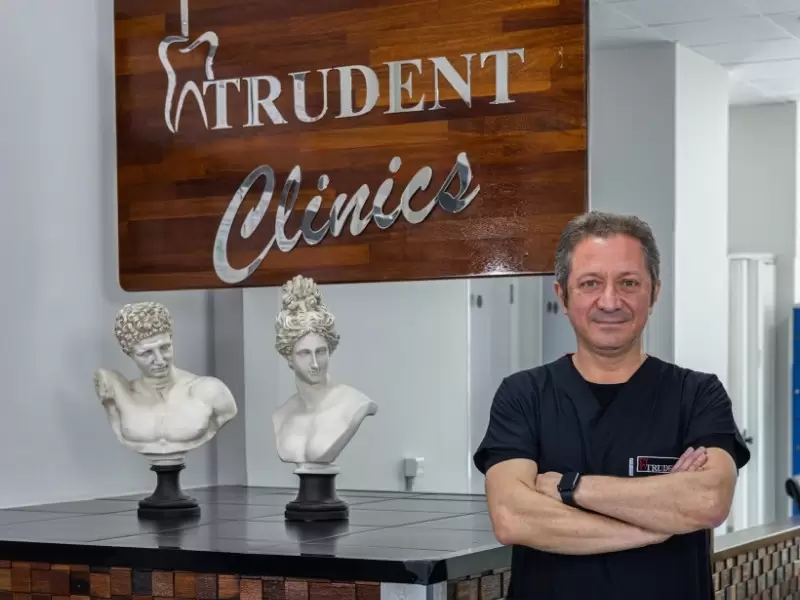
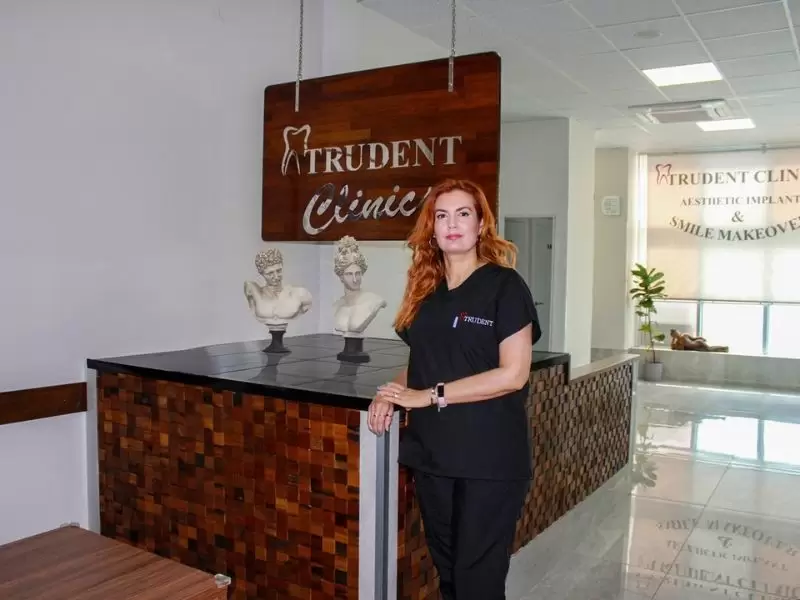
Patients travelling for treatment may need to assess additional details, including consultation arrangements, treatment schedules, laboratory standards, accommodation logistics, and follow-up care. Clinics such as TruDent Clinics in Izmir, Turkey, present personalized treatment planning as part of the consultation process, giving patients an opportunity to discuss their goals before committing to a procedure.
What to verify before booking
Start by checking the dentist’s professional registration, education, and experience with the specific treatment you are considering. A dentist who frequently places crowns may not have the same level of expertise in complex veneer cases, implant restoration, orthodontic alignment, or full smile rehabilitation. Look for clear information about clinical experience rather than general claims about being an aesthetic specialist.
The clinic should also offer a proper examination before recommending cosmetic work. This may include dental photographs, digital scans, X-rays, gum assessments, bite analysis, and an evaluation of existing fillings or crowns. Cosmetic treatment should not disguise untreated decay, active gum disease, worn enamel, or jaw problems. If a clinic proposes irreversible treatment without reviewing your oral health, consider that a warning sign.
Ask whether the dentist who performs the consultation will also oversee the treatment. Consistent communication can reduce misunderstandings about tooth preparation, shade, shape, expected results, and possible limitations. It is also useful to confirm who will manage laboratory communication and any necessary adjustments.
Review the dentist’s cosmetic portfolio
A portfolio can reveal how a dentist approaches natural-looking results. Examine cases that resemble your own starting point, including the degree of discolouration, spacing, crowding, missing teeth, tooth wear, or uneven gum lines. A portfolio filled only with dramatic transformations may not show how the dentist handles conservative or complex cases.
Pay attention to consistency. High-quality cosmetic dentistry should usually display balanced tooth proportions, natural translucency, harmonious gum contours, and a smile that fits the patient’s face. Extremely white, uniformly shaped teeth may reflect a particular aesthetic preference rather than the result you want. Ask to see untreated photographs alongside final images and find out whether the photographs were taken immediately after treatment or following a settling period.
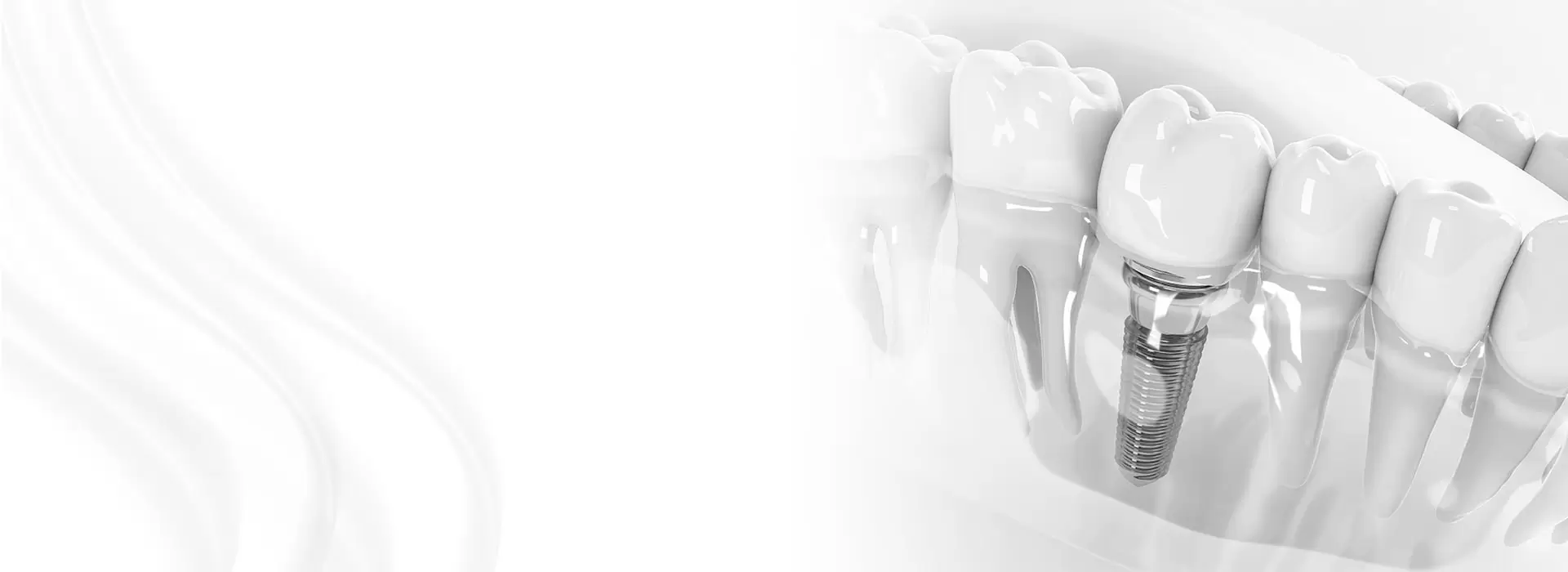
For veneers and crowns, ask how much natural tooth structure was removed in the examples shown. For aligners, review cases involving similar levels of crowding or bite correction. For dental implants, ask about bone grafting, temporary teeth, soft-tissue management, and the final restoration, since implant treatment involves more than placing a fixture.
| Treatment |
Questions to ask the dentist |
Details worth checking |
| Veneers |
Is enamel reduction necessary, and how will the shade be selected? |
Material, thickness, preparation design, bite assessment, repair or replacement policy |
| Crowns |
Why is a crown preferable to a filling or veneer? |
Tooth structure, ceramic type, laboratory process, margin design, expected lifespan |
| Whitening |
Is the discolouration suitable for whitening? |
Sensitivity management, existing restorations, home-care instructions, maintenance |
| Invisible aligners |
What movements are realistic in my case? |
Digital planning, refinements, retention, attachment requirements, monitoring |
| Dental implants |
Is there enough bone and healthy gum tissue? |
Imaging, implant system, provisional teeth, restoration provider, aftercare |
| Smile makeover |
Which treatments are essential and which are optional? |
Overall sequence, mock-up, bite function, conservative alternatives, total cost |
Look beyond the smile at treatment planning
A skilled cosmetic dentist evaluates how your teeth work together, not just how they appear in a photograph. The bite, jaw position, speech, lip movement, gum display, tooth wear, and facial proportions all influence the final result. If these factors are ignored, veneers or crowns may feel uncomfortable, chip prematurely, or create an appearance that looks artificial.
Ask whether the clinic provides a preview or mock-up before irreversible work begins. Digital smile design, wax-ups, temporary restorations, and trial smiles can help you understand the proposed tooth length, shape, colour, and visibility. These tools do not guarantee an identical final result, but they create a clearer basis for communication and consent.
A good treatment plan should explain alternatives. For example, mild crowding might be addressed with invisible aligners before whitening or bonding, while a dark tooth may need internal treatment rather than repeated surface whitening. Missing teeth may require implant-supported restorations, a bridge, or another option depending on bone, gum health, and budget. The dentist should explain why a particular sequence is recommended.
Compare materials, technology, and communication
The material used for a restoration affects appearance, strength, repairability, and cost. Porcelain veneers, composite bonding, lithium disilicate crowns, and zirconia restorations each have different indications. The right choice depends on the tooth, bite, cosmetic goal, and amount of remaining structure. Be cautious of a clinic that promotes one material as suitable for every patient.
Technology can support accurate diagnosis and efficient treatment. Intraoral scanners, digital photography, three-dimensional imaging, computer-aided design, and carefully calibrated shade records may improve planning and communication. Technology is useful when guided by clinical expertise; it should not replace a physical examination or encourage unnecessary treatment.
Communication deserves equal attention. The dentist should explain possible sensitivity, maintenance, treatment limitations, gum changes, repair needs, and the expected lifespan of restorations. You should receive a written plan that identifies the proposed procedures, number of teeth, materials, fees, appointments, and any exclusions. Clear communication before treatment is one of the best indicators of a professional patient experience.
Understand costs, timing, and aftercare
A cosmetic dentistry quote should be detailed enough to compare like with like. Ask whether the price includes consultation, diagnostic imaging, temporary restorations, laboratory fees, adjustments, retainers, implant components, and follow-up visits. A lower initial estimate may omit essential stages or use different materials, so cost should be assessed alongside clinical scope.
Treatment time varies widely. Teeth whitening may require one appointment and home maintenance, while veneers or crowns involve preparation, laboratory work, temporaries, and fitting. Invisible aligners may take several months, followed by retention. Dental implants can require healing periods and bone augmentation before the final crown is placed. Confirm how many visits are expected and what happens if the schedule changes.
Aftercare is particularly important for people travelling to another country. Before booking with a clinic in Izmir or elsewhere, ask how post-treatment reviews are arranged, how urgent concerns are handled after returning home, and whether records can be shared with a local dentist. Also clarify the clinic’s policy for adjustments, fractured restorations, sensitivity, aligner refinements, and implant complications.
Practical signs of a suitable clinic
The following checks can help you compare providers before making a decision:
- The dentist completes a full oral examination and explains any existing dental problems before suggesting cosmetic treatment.
- The clinic shows relevant, verifiable cases and discusses results that may be difficult to achieve.
- You receive a personalized plan with alternatives, materials, stages, risks, maintenance, and itemized fees.
- The consultation allows enough time for questions without pressure to book immediately.
- The clinic explains follow-up arrangements, laboratory standards, and how complications or adjustments are managed.
A suitable clinic should make you feel informed rather than rushed. Be cautious when a provider guarantees a perfect result, recommends extensive treatment without examining your bite and gums, avoids discussing risks, or uses heavily edited photographs as its main evidence. Good cosmetic care respects your preferences while protecting your long-term oral health.
It is also worth considering the broader clinical environment. A multidisciplinary team may be valuable when cosmetic treatment overlaps with orthodontics, implant dentistry, gum care, restorative dentistry, or jaw-related concerns. If a clinic offers services such as botulinum toxin injections for facial aesthetics or jaw tension, verify that these are provided by appropriately trained professionals and that the treatment is discussed separately from dental procedures.
Make your consultation more productive
Prepare photographs of smiles you like, but describe what appeals to you: a softer tooth shape, less visible gum, a brighter shade, reduced spacing, or a more even smile line. This gives the dentist useful information without assuming that another person’s result will suit your facial features or dental structure.
Bring details of previous dental treatment, sensitivity, grinding, orthodontics, allergies, medications, and any concerns about appearance or function. Ask how long the result is expected to last, what habits could damage it, and what daily care will be required. A dentist who welcomes these discussions is more likely to develop a realistic treatment plan.
Before paying a deposit, request time to review the written proposal. Compare the clinical explanation, communication quality, evidence of experience, and aftercare arrangements rather than focusing on price alone. Cosmetic dentistry is an investment in health and appearance, so confidence in the provider should come from transparent information and a careful assessment.
If you are considering veneers, crowns, whitening, aligners, implants, or a personalized smile makeover, arrange a consultation with TruDent Clinics in Izmir to discuss your goals and receive an evaluation tailored to your teeth, bite, and overall oral health. A thoughtful plan is the first step toward a confident, natural-looking result.