Choosing the right dental crown material for every tooth
A dental crown should restore strength, function and appearance, but no single material is ideal for every tooth. The best option depends on where the tooth sits, how much chewing force it receives, whether it shows when you smile and the condition of the remaining tooth structure.
Patients in Australia may also need to consider private health insurance, laboratory standards, treatment location and the total cost of care. A consultation with a qualified dentist can connect these practical factors with your bite, oral health and aesthetic goals.
Start with the tooth’s position and purpose
Front teeth usually need a crown that blends naturally with the surrounding enamel. Premolars have both cosmetic and functional demands, while molars generally require excellent resistance to heavy chewing. A crown for an upper central incisor therefore may need a different design from one placed on a lower first molar.
Your dentist will assess the tooth’s position, bite, remaining enamel and exposure when you speak or smile. They may also look for cracks, large fillings, gum recession, tooth grinding and signs of infection before recommending a crown material.
| Crown material |
Common strengths |
Typical considerations |
Often considered for |
| Zirconia |
Very strong, durable and metal-free |
Some types can look less translucent than natural enamel |
Molars, premolars and selected front teeth |
| Lithium disilicate ceramic |
Natural translucency and good strength |
May be less suitable for extreme grinding or limited thickness |
Front teeth and many premolars |
| Porcelain fused to metal |
Proven durability with an attractive outer layer |
Possible dark margin or porcelain wear over time |
Back teeth and some bridges |
| Gold alloy |
Excellent fit, wear resistance and longevity |
Metallic appearance and higher material cost |
Hidden molars and heavy-bite cases |
| Composite or acrylic resin |
Lower initial cost and easy adjustment |
More prone to wear, staining and fracture |
Temporary crowns or short-term solutions |
These categories are a starting point rather than a prescription. Modern dental laboratories can layer, press or mill materials in different ways, so the final result depends on the specific product, thickness, shade and manufacturing technique.
Match the material to chewing pressure
Back teeth absorb substantial forces during chewing. Molars can be exposed to pressure from hard foods, clenching and nighttime grinding, making fracture resistance a central concern. Monolithic zirconia and gold alloys are often discussed for these locations because they can tolerate significant functional stress.
A dentist may recommend a protective night guard if you grind or clench your teeth. This is especially relevant for Australians who play contact sports, lift weights or have demanding work routines that contribute to jaw tension. A crown cannot correct the forces that caused a damaged tooth, so managing the bite is part of protecting the restoration.
Porcelain fused to metal can also provide dependable performance, although the ceramic surface may chip in some circumstances. Lithium disilicate may be appropriate for a premolar when appearance matters and the bite is carefully assessed. The decision should reflect your actual chewing pattern rather than the material’s reputation alone.
Prioritise appearance for visible teeth
For front teeth, light transmission and shade matching are often more important than maximum strength. Lithium disilicate and high-quality all-ceramic crowns can imitate the depth and brightness of natural enamel. Zirconia has also developed considerably, with more translucent options available for selected cases.
The colour of nearby teeth matters. If you are considering professional teeth whitening, it is usually sensible to discuss whitening before the final crown shade is chosen. Dental crowns do not whiten in the same way as natural teeth, so whitening afterward can create a mismatch.
Your dentist and dental technician may assess photographs, tooth shape, gum position and facial proportions when planning a smile makeover. This can be valuable for patients in Sydney, Melbourne or Brisbane who want a crown to look natural in work, social and photography settings rather than simply appear bright.
Consider the gumline and remaining tooth
A crown is supported by the tooth underneath, so material selection cannot compensate for weak foundations. Decay, an old filling, a crack or insufficient tooth structure may require treatment before the crown is fitted. In some cases, a core build-up or root canal treatment is needed.
Gum health also affects the result. Inflamed or receding gums can expose the crown margin and make an otherwise attractive restoration look uneven. Excellent brushing, daily interdental cleaning and regular professional examinations help maintain both the crown and the natural teeth beside it.
Metal-free ceramics may be attractive when gum recession is a concern because they avoid a visible metal margin. However, the dentist must still evaluate the available space, bite and margin position. A tooth-coloured crown is not automatically the best choice if it cannot be given adequate thickness or support.
Factor in implants and bridges
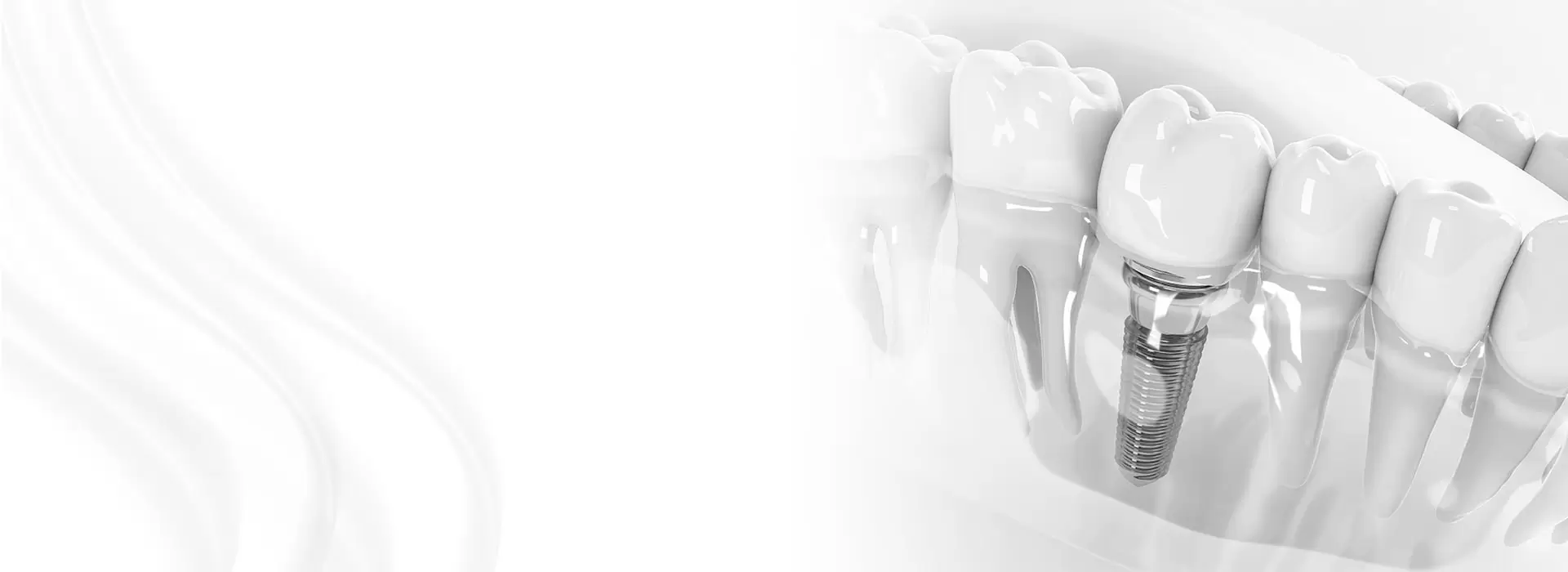
An implant crown has different requirements from a crown fitted over a natural tooth. The dentist must consider the implant connection, available space, biting forces and the appearance of the gum around the implant. Zirconia and ceramic options may be discussed for visible implant restorations, while other designs may be selected for posterior areas.
Bridges also place demands on the supporting teeth and the replacement tooth between them. Porcelain fused to metal, zirconia and other laboratory-made options can be suitable depending on span length and bite. A bridge should be planned as a complete structure rather than by choosing a crown material in isolation.
Patients travelling from Perth, Adelaide or regional Australian areas for dental treatment should confirm how follow-up visits will work before committing to complex restorative care. Implant and bridge planning often involves several appointments, records and adjustments, and aftercare should be clear from the beginning.
Balance longevity, comfort and cost
The cheapest crown is not necessarily the most economical over time, and the most expensive material may not offer a meaningful advantage for every tooth. Ask what is included in the quote: examinations, X-rays, scans, temporary crowns, laboratory fees, adjustments and any required foundation treatment.
Australian private health insurance commonly places crowns under major dental extras, with waiting periods, annual limits and product-specific rules. Medicare generally does not cover routine crowns for adults, so patients should check their policy and obtain the relevant dental item number from the clinic before treatment. A written quote can help prevent unexpected costs.
Local and overseas dental laboratories may use different workflows, materials and warranties. Australian dental practitioners are registered through the Australian Health Practitioner Regulation Agency, and dental devices and laboratory processes operate within relevant Australian regulatory requirements. Ask where the crown is made, which material and brand will be used, and whether the clinic can provide documentation for the restoration.
Plan for daily care and future changes
A well-made crown can function for many years, but its lifespan depends on hygiene, diet, bite forces and the health of the supporting tooth. Sticky sweets, frequent acidic drinks and chewing ice can increase risks for natural teeth and restorations. Many Australians drink coffee throughout the day, so rinsing with water after coffee and maintaining regular cleaning can help reduce staining around the crown.
Brush twice daily with fluoride toothpaste and clean between the teeth using floss, interdental brushes or another method recommended by your dentist. Do not use a crown as a tool to open packaging. Contact the clinic promptly if the crown feels loose, changes your bite, chips or causes sensitivity.
A crown may eventually need repair or replacement, particularly if the supporting tooth develops decay or the gum changes. Regular check-ups allow the dentist to monitor margins, bite contacts and adjacent teeth. If you are receiving care in Izmir and returning to Australia, request treatment records, radiographs, material details and laboratory information so your Australian dentist can provide informed follow-up care.
Selecting the right dental crown material involves more than choosing between ceramic, zirconia, metal or porcelain. It means matching the restoration to the tooth’s location, chewing load, appearance, gum health, budget and long-term maintenance needs.
At TruDent Clinics in Izmir, a consultation can assess your tooth and create a personalised treatment plan for crowns, veneers, implants or related restorative care. Schedule an appointment to discuss suitable materials, expected results, treatment stages and the information you need for confident aftercare in Australia.