Botox and dental treatments for a balanced facial appearance
A balanced face is rarely created by changing one feature in isolation. Teeth define the lower third of the face and influence lip support, while repeated movement around the eyes and forehead can make the upper face look tense or overactive. When these elements are planned together, small changes can create smoother proportions without making the smile look artificial.
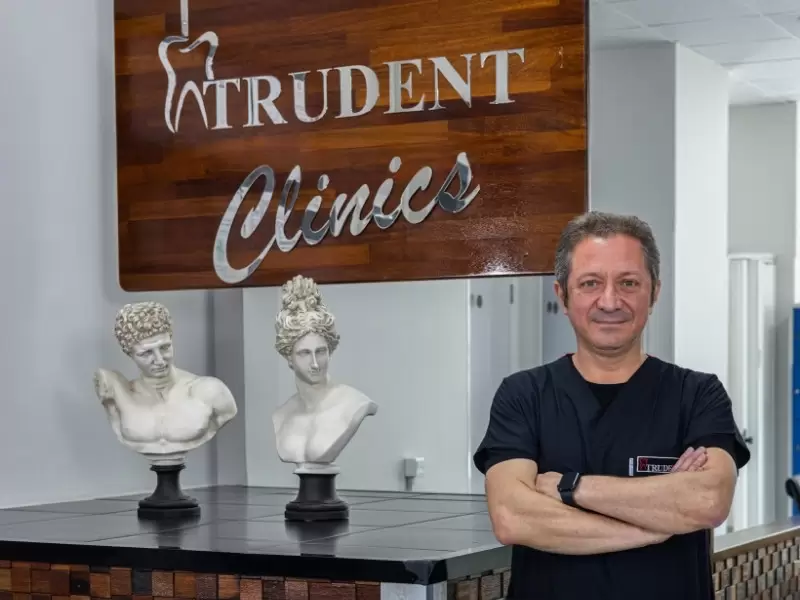
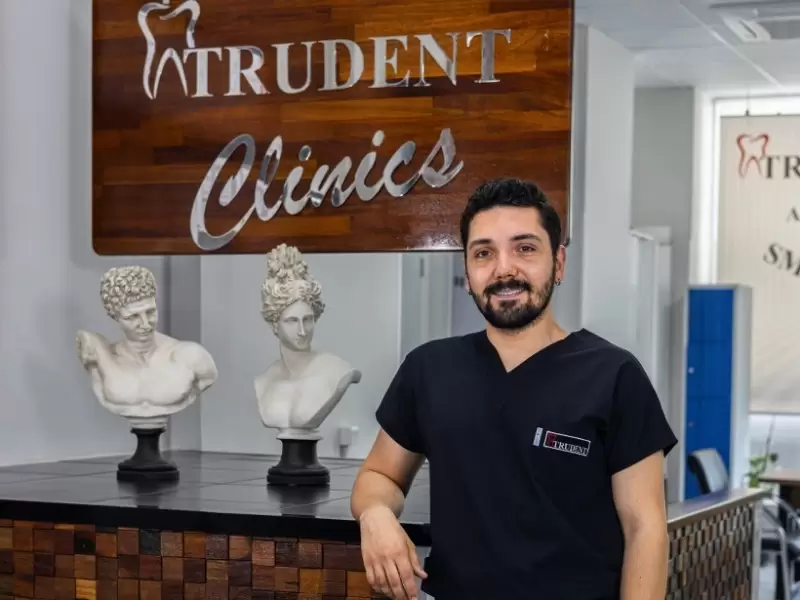
At TruDent Clinics in Izmir, aesthetic and general dentistry sit alongside injectable care, including botulinum toxin for cosmetic and jaw-related concerns. A consultation should assess the bite, teeth, gums, facial movement and medical history before deciding whether a dental correction, an injection or both would suit the patient. The aim is coordinated facial aesthetics, not a collection of disconnected procedures.
How dental and injectable goals work together
Botulinum toxin temporarily relaxes selected muscles responsible for expressions such as crow’s feet, forehead lines and tension between the brows. Dentistry, by contrast, changes the visible structure of the smile through whitening, veneers, crowns, aligners or implants. Because a smile involves both structure and movement, the two approaches can complement each other when considered as parts of one facial plan.
Balance does not mean making every feature symmetrical. It means that lip movement, tooth display and the activity of the upper face feel compatible. For example, veneers can change the apparent width and brightness of the smile, while carefully placed injections can keep the surrounding face from appearing more animated than the new smile.
There are also limits. Botox cannot repair chipped teeth, replace missing teeth, correct an uneven bite or redesign a gummy smile caused by gum display. It can complement appropriate dental care, but structural problems should be diagnosed first so that treatment targets the real cause rather than masking it.
Matching dental treatments to smile goals
Not every dental treatment belongs in a facial-balancing plan. Teeth whitening is useful when the goal is brighter natural teeth, although it will not change existing veneers, crowns or fillings. Veneers and porcelain crowns can reshape visible teeth and influence how much of the lips appear, so their design should reflect facial proportions rather than a chosen shade alone.
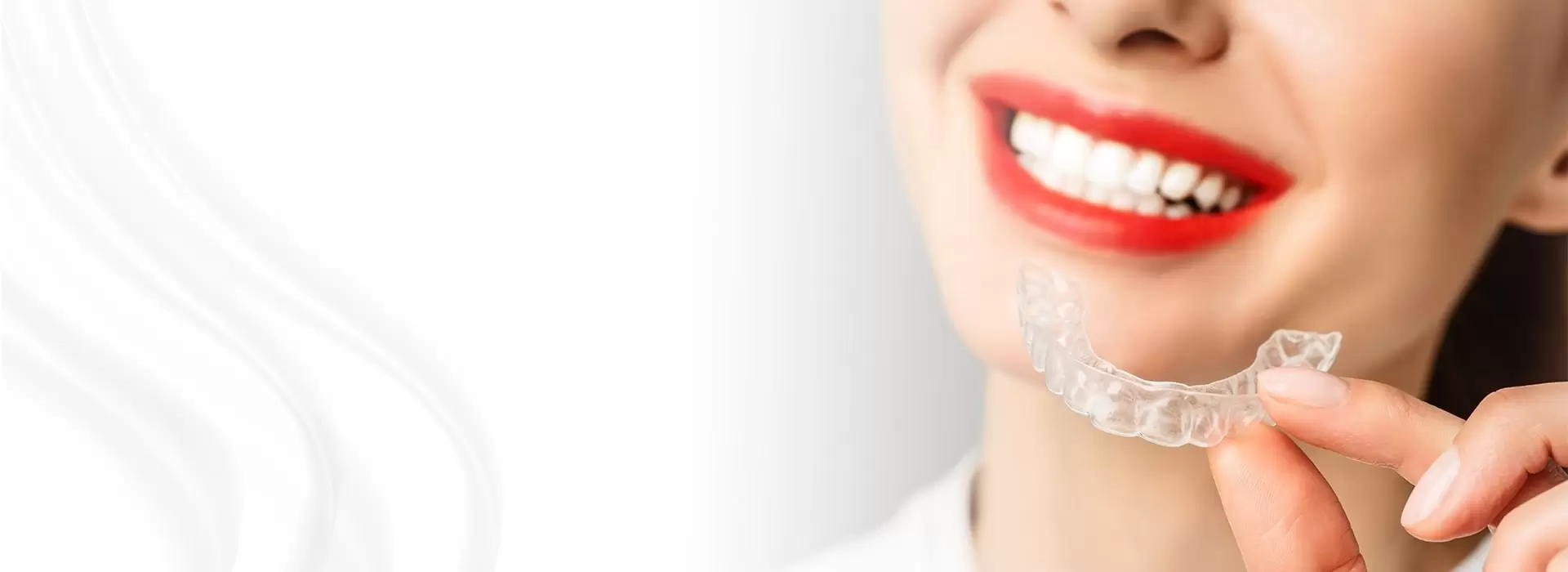
Clear aligners may be relevant when tooth position affects the smile or lip support, but they are not a substitute for bite correction in every case. A useful aligners versus braces explains the practical differences in movement, removability and treatment demands. Patients should also understand that aligners do not whiten teeth unless whitening is included separately.
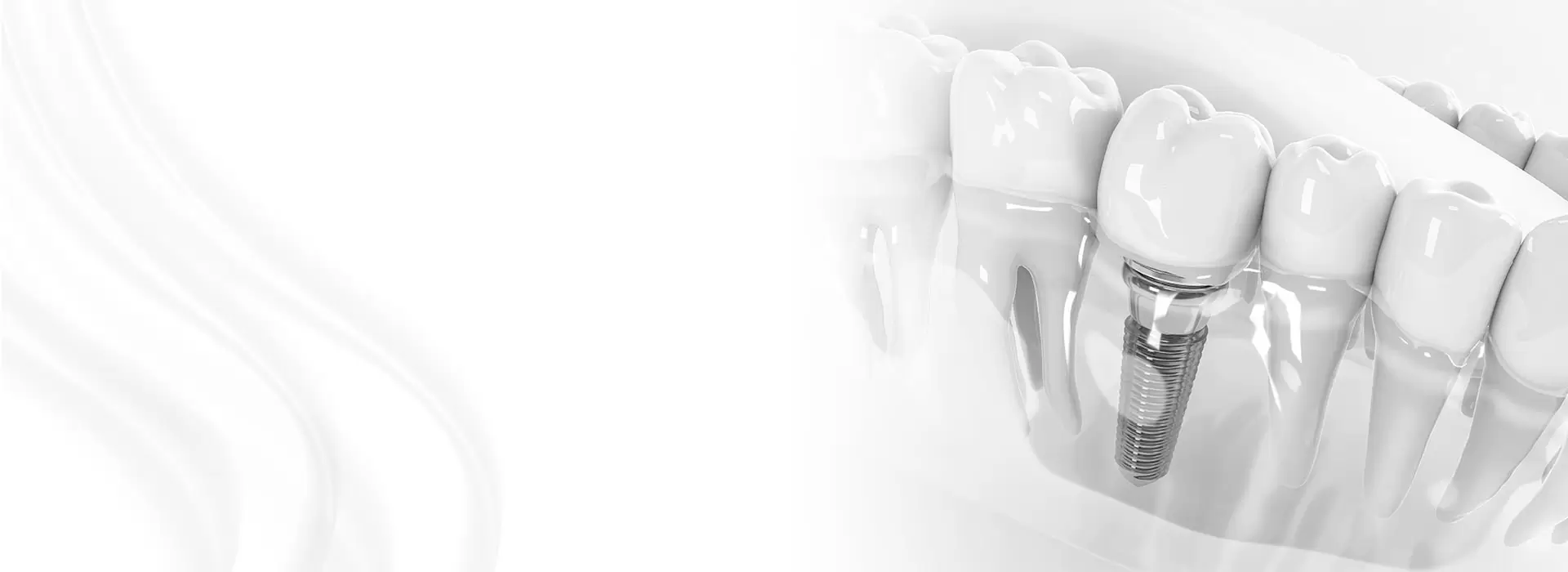
Missing teeth may affect both appearance and function. Dental implants can restore a natural-looking row of teeth and support the bite, while crowns complete the visible restoration around an implant. Before any implant is considered, bone health, gum condition, neighbouring teeth and jaw relationships need assessment. These details help the dental and injectable plan work as a whole.
Using botulinum toxin without freezing expression
Not all facial lines require botulinum toxin. Expression lines that change when the face moves may suit a conservative injection plan, whereas fixed shadows or asymmetry caused by tooth position may respond better to dental treatment. A clinician should watch how the patient smiles, speaks and clenches the jaw, then mark the muscles that contribute to the unwanted tension.
Forehead, glabellar and crow’s feet regions are common cosmetic treatment areas. Masseter treatment may be considered for jaw-related concerns, but it can alter biting strength and may complicate later restorative work if a significant bite change is planned. Bruxism is a dental issue that may also require guards, bite assessment or other management; relaxing the muscle alone does not address every cause.
Careful placement is especially important around the mouth. Reducing upper-lip movement too much can affect speech, smiling and the ability to keep liquids in the mouth. If a dental procedure is about to change lip support, the injection plan may need to be delayed or adjusted. Fewer units in the right locations often preserve more natural expression than treating an entire area uniformly.
Sequencing treatment for predictable results
Sequencing depends on the procedures involved. Diagnostic scans, periodontal care, an orthodontic assessment and planning for implants should happen before cosmetic injections. If veneers or crowns will alter tooth shape, many clinicians prefer to establish the final dental appearance first and add botulinum toxin once the new bite and lip support can be evaluated. The correct order is individual, not fixed.
Timing between appointments also matters. Botulinum toxin usually has no downtime, and its full visible effect may take several days to two weeks. Dental treatments can involve temporary crowns, sensitivity, swelling or healing, particularly around implants. Combining major dental work and injections on the same day may make it harder to judge the result or manage discomfort.
A staged trip can make the journey easier: complete essential dental care, allow healing and reassess the smile before receiving injections. Patients should receive written aftercare, including which activities to avoid and whom to contact for concerns. If timing is tight, it is safer to prioritise the treatment that addresses the core dental or jaw problem rather than trying to fit everything into a short holiday.
Safety and Australian patient checks
Safety starts with a full medical review. Patients should disclose pregnancy or breastfeeding, neuromuscular conditions, allergies, previous reactions, relevant medicines and any infection near the intended injection site. The clinician should explain the product, dose, expected movement, possible effects and alternatives. Consent is more useful when it explains what the procedure cannot achieve as well as what it can.
Australian patients should remember that botulinum toxin is a prescription medicine in Australia, with products and advertising governed by the Therapeutic Goods Administration. A product approved for use in Australia does not mean every clinic or product overseas has the same oversight. At an overseas clinic, patients can ask about the clinician’s registration, sterile technique, product traceability and emergency arrangements.
Clinical records also matter. Digital X-rays, scans and medical notes can help an overseas dentist plan treatment, but transferring health information creates privacy questions that patients should understand. Do not carry unlabelled injectables or clinical waste; Australian Border Force rules apply to medicines and biological material. Travel insurance should be checked for exclusions related to elective dental treatment, overseas cosmetic procedures and treatment complications.
Planning treatment and recovery from Australia
Travelling from Sydney, Melbourne, Brisbane or Perth to Izmir means factoring in long flights and schedules. Istanbul is about five to seven hours behind much of eastern Australia, depending on the city and daylight-saving period, and connections to İzmir can add another stage. Avoid having significant treatment immediately before a flight, and leave enough time to recover, obtain help and return home only when the clinic considers it appropriate.
Costs need a clear currency. Quotes from Turkish clinics may be presented in Turkish lira, euros or another currency, while Australian patients think in Australian dollars. Ask for the full price, deposit terms, payment stages, inclusions and the exchange rate used, then check card or bank fees. Also establish what happens if a crown needs adjustment, an implant requires follow-up or an injection is not performed as planned.
Aftercare may continue in Australia, so finding a general dentist before departure is wise. Implant-specific education, including dental implant guidance, can help patients understand the stages and questions to discuss. But online material cannot replace an examination. Bring records without unnecessary personal details, request copies of treatment notes, and ask the Turkish clinic to coordinate with a local provider if complications arise.
The strongest combined plan begins with the bite and smile, then uses botulinum toxin selectively to support the result. Digital imaging, facial movement assessment and a staged treatment schedule allow the dental clinician and injector to agree on proportional goals. This approach can soften distracting tension while preserving speech, expression and the character of the smile.
Contact TruDent Clinics in Izmir to arrange a personalised consultation for botulinum toxin and dental treatments. Bring your dental history, a list of medicines and any recent images when booking. The clinic can then evaluate how cosmetic dentistry, jaw-related care and injectable treatment can be coordinated for a balanced facial appearance, with clear costs and aftercare before treatment begins.