Combining Teeth Whitening with a Smile Makeover Package
Across Melbourne, Brisbane and the inner suburbs of Sydney, cosmetic dentistry is no longer something reserved for celebrities or public figures. More adults in their thirties and forties are asking their dentists about veneers, clear aligners and whitening as a single coordinated plan rather than as scattered, single-visit treatments. The shift is largely driven by social media, post-pandemic disposable income and the simple wish to feel confident in a work meeting, at a wedding on the Mornington Peninsula or during a coffee catch-up in Newtown.
The price tag attached to a full smile transformation in Australia, however, remains steep. A single porcelain veneer can climb past AUD 2,000 in a private Sydney practice, and a complete arch restoration often runs into five figures. That cost gap is one reason Turkish clinics have captured attention in Australian Facebook groups and on lifestyle forums, where patients regularly share photos taken beside the Bosphorus and discuss treatment plans coordinated before they board the plane.
At TruDent Clinics in Izmir, teeth whitening is built into most aesthetic journeys from the first consultation. Rather than treating bleaching as an add-on to be discussed later, the clinical team uses it as a baseline step that influences every shade match, veneer thickness and crown design that follows. Understanding how that approach works helps patients arriving from Perth, Adelaide or Hobart plan their trip and their expectations with greater clarity.
What a Smile Makeover Package Normally Includes
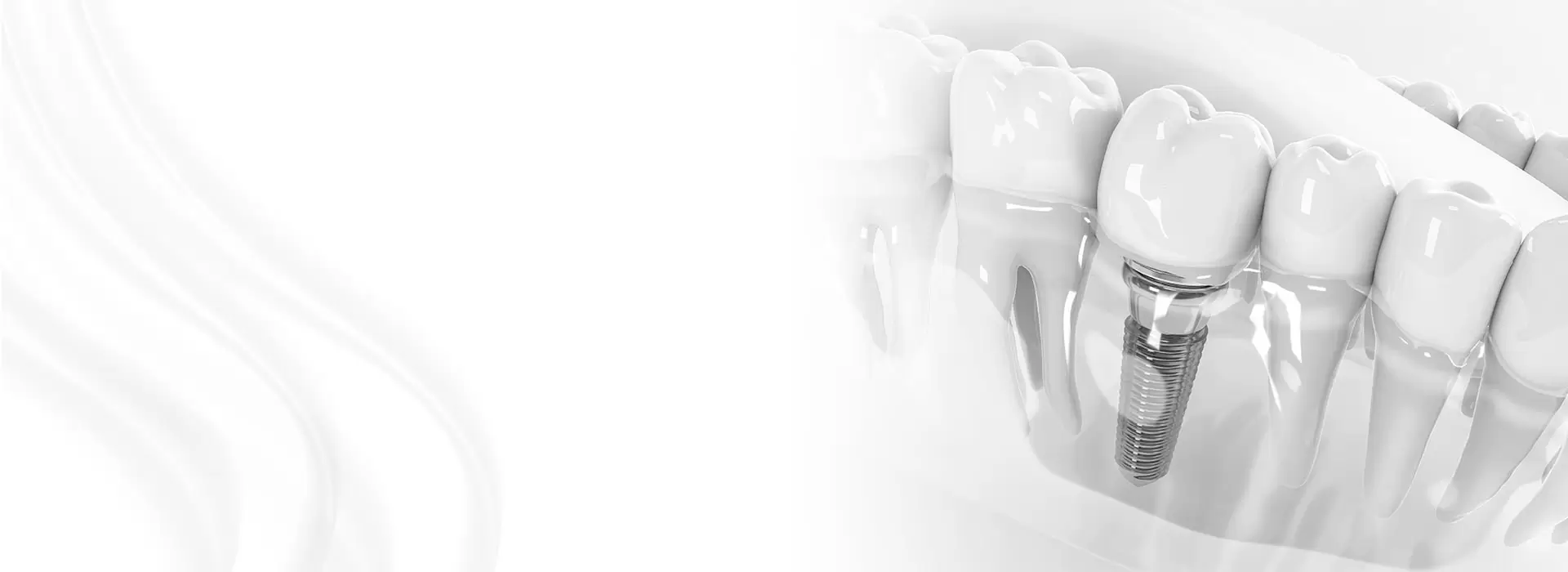
A smile makeover is rarely a single product. It is a curated combination of treatments selected after a clinical assessment, photographs, digital scans and a conversation about the patient's goals. At TruDent Clinics, a typical package may pair several veneers with gum contouring, replace older crowns with new ceramic restorations, straighten mildly crowded teeth with invisible aligners, or fill gaps with implants, sometimes several of these in the same plan.
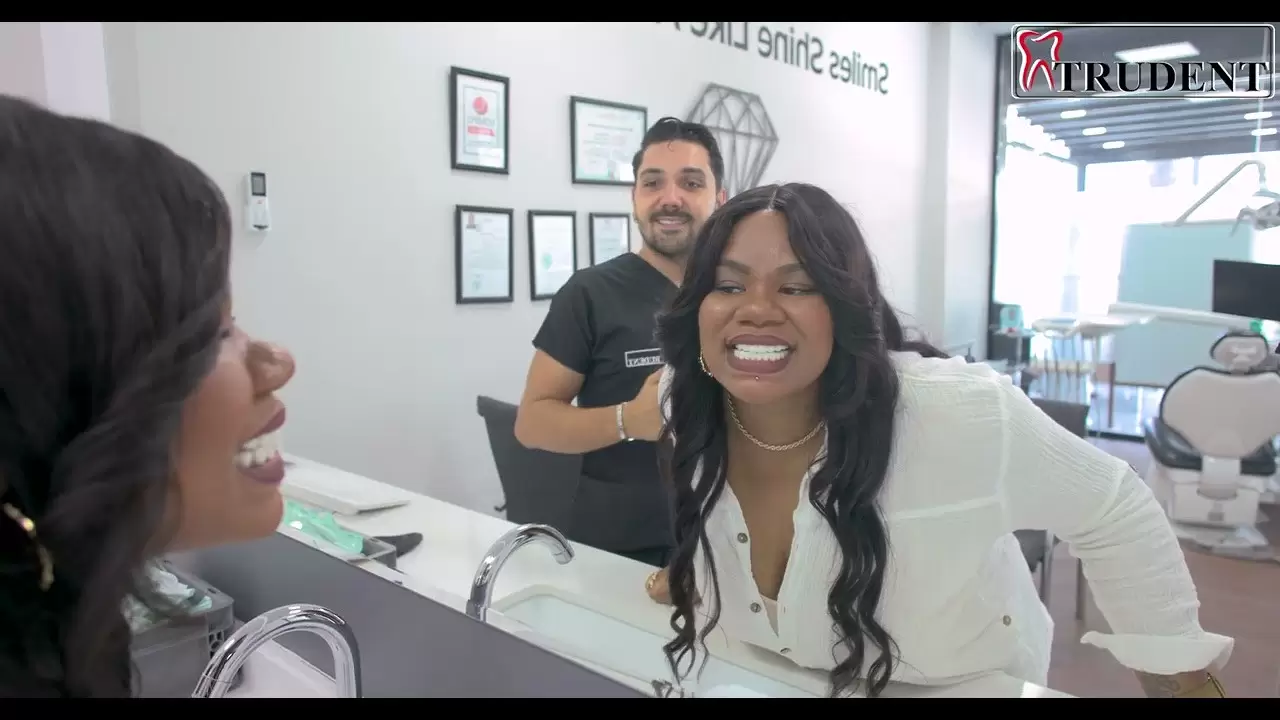
For prospective patients reviewing real outcomes, the smile gallery on the clinic's website shows a wide range of before-and-after cases, including combined veneer and whitening work. Reviewing examples of similar cases to your own helps frame what is realistic and lets the dentist in Izmir prepare a far more accurate quotation before you fly.
Because every mouth is different, packages are quoted per case rather than per service. A patient in their late twenties with generally healthy teeth may need only four veneers and a whitening session, while someone in their fifties with worn dentition and missing molars might require implants, crowns and a longer whitening protocol alongside aligner therapy. The package price therefore reflects the planning, the laboratory work and the chair time rather than any single item on a menu.
Why Teeth Whitening Sits at the Heart of a Makeover
Shade matching is the most technical part of cosmetic dentistry, and it is the step that suffers most when whitening is rushed or skipped. Porcelain and composite restorations do not change colour once they are bonded. If the surrounding natural teeth are later bleached, the crown or veneer will appear darker than its neighbours and the entire smile will look uneven.
By carrying out whitening first, the dentist establishes a stable, predictable baseline. Veneers, crowns and bonding composites are then fabricated to match that lighter shade precisely, rather than to the yellower tone the patient walked in with. The result is a uniform smile that still looks like the patient's own teeth rather than a row of identical piano keys.
Whitening also performs an emotional role in the treatment sequence. Patients travelling from Canberra or the Gold Coast often report that even a modest improvement in shade before any restorative work begins gives them a noticeable confidence lift. They return for veneer preparation already smiling more freely, and that positivity tends to carry through the rest of the clinical visits.
Sequencing Whitening Around Other Procedures
The order of treatments matters as much as the treatments themselves. Whitening is almost always scheduled at the beginning of a combined plan, well before any tooth preparation for veneers or crowns. Most bleaching protocols need roughly ten to fourteen days for the shade to fully settle, and any restoration placed before that stabilisation is finished risks looking too dark once the surrounding teeth catch up.
Invisible aligners introduce a useful wrinkle. Because the aligner trays sit against the teeth for twenty to twenty-two hours a day, whitening gel cannot be safely used inside them. Patients who are undergoing alignment usually complete that stage first, then transition into whitening during the retention phase, when a thin night-time tray can double as a custom bleaching tray.
Implants are unaffected by whitening agents because titanium and zirconia do not respond to peroxide. The artificial crown attached to an implant is shaded at the laboratory to match the planned final colour of the natural teeth, which again reinforces why whitening must come early. Once the implant crown is fitted, it cannot be lightened afterwards without replacing the restoration entirely.
Comparing Whitening Approaches Within a Package
Not all whitening methods produce the same result, and the choice between them affects both the timeline in Izmir and the longevity of the final shade. The table below summarises the three options most often discussed during a TruDent consultation.
| Method |
Typical Shade Lift |
Time in Chair |
Longevity with Aftercare |
| In-chair professional bleaching |
6–8 shades |
60–90 minutes per visit |
12–24 months |
| Custom take-home trays |
4–6 shades |
30 minutes daily for 10–14 days |
9–18 months |
| Combined in-chair then take-home |
7–10 shades |
90 minutes plus home top-ups |
18–36 months |
For Australian patients combining whitening with veneers, the combined method is usually the most efficient. The in-chair session lifts the bulk of the staining quickly enough that impressions can be taken within the same week, while the take-home trays allow fine tuning once the patient is back home in Adelaide or Fremantle.
How Long a Combined Plan Takes
A full smile makeover that includes whitening, veneers and any necessary crown work typically requires five to seven working days in Izmir, although complex cases involving implants or full-arch restorations can stretch to ten. The first day is reserved for assessment, scans and the in-chair whitening session. Day two is generally used for tooth preparation and temporary restorations, with the laboratory fabricating the final pieces over the following days.
Patients usually return for fit and cementation around day five, with a final review and any minor adjustments on the last appointment. Whitening trays, aftercare kits and instructions are handed over before departure. Australian travellers then continue their take-home top-up programme for another week or two once they are home, by which point the shade has stabilised and a local dentist can take over routine maintenance.
This condensed schedule is one of the main reasons Australians book trips during quieter work periods, such as the late January lull after the Christmas holidays or the week between the AFL grand final and the school holidays. A single trip, rather than months of repeated visits, fits neatly into the rhythm of a busy professional calendar.
Maintaining the New Shade After Treatment
Whitening results are not permanent, but they can be made to last several years with sensible habits. The first forty-eight hours after bleaching are the most vulnerable: the enamel pores are open and the teeth will absorb dark pigments from coffee, red wine, curry and soy sauce very quickly. Patients who live for their morning flat white on Brunswick Street or their evening pinot in the Barossa will be advised to switch to cold drinks through a straw for a couple of days and to rinse with water after any coloured food.
Long term, a touch-up syringe used for two or three nights every six months is usually enough to keep the shade where the patient wants it. Routine hygienist visits, ideally every six months, also help by removing the surface staining that gradually dulls even well-maintained teeth. Electric toothbrushes with pressure sensors, rather than manual brushes, tend to be recommended for anyone who has invested in cosmetic work.
Smoking is the single biggest threat to longevity. Nicotine stains penetrate the enamel faster than any dietary pigment, and a patient who resumes smoking after treatment will usually notice the shade dropping within a few months. Cutting back significantly extends the visible life of the makeover far beyond any product on the market.
A few simple moves during the planning stage make the entire experience more predictable and help avoid surprises once you are in the chair.
- Send clear photographs, including close-ups of your teeth in natural daylight, before booking flights, so the clinic can quote accurately.
- Book whitening at the start of the trip, never at the end, so the shade has time to settle before any restorations are fabricated.
- Ask for combined in-chair and take-home whitening rather than a single in-chair session if you want the longest-lasting result.
- Schedule the trip during a quiet work period rather than a major event, so you are not stressed about returning for a wedding or a presentation.
- Arrange a check-up with your local dentist within a month of returning home, to verify the work and establish a long-term maintenance plan.
- Avoid smoking, coffee, red wine and dark curries for at least a week after the final whitening session to lock in the new shade.
Practicalities for Australians Travelling to Turkey
Flights to Izmir via Istanbul are available from every major Australian capital, with the most competitive fares usually from Sydney and Melbourne. Total travel time runs between twenty-two and twenty-six hours depending on layovers, so most patients build in at least one rest day on either side of the clinical schedule. Australians do not need a visa in advance for short tourist stays; an e-visa is granted on arrival or applied for online within minutes.
Recovery is generally light, but it is worth planning for it. Mild sensitivity after whitening is common and usually settles within a few days, while temporary veneers require careful eating for the first week. Booking a quieter return flight and giving yourself a day or two at home before returning to work or to the kids' Saturday sport at Coogee Oval makes the transition noticeably smoother.
Coordination with a local dentist for ongoing check-ups is straightforward. The clinic provides a full treatment report, X-rays and shade references on departure, which any Australian practitioner can use for future maintenance visits. That continuity of care, combined with the savings and the condensed timeline, is what makes an Izmir trip a genuinely practical option rather than a holiday detour.
If you are weighing up the time, cost and clinical quality of treating your smile in a single coordinated plan rather than as a series of separate visits, a short conversation with the TruDent Clinics team is often the most useful next step. Send through your photographs, ask about sequencing, and request a full written quotation that includes whitening within the overall package. A personalised plan, built around your own teeth and your own timeline, is the difference between a generic holiday and a confident return home with the smile you have been picturing for years.