Broken Denture Abroad: Safe Steps Until You Get Dental Help
A broken denture can disrupt a holiday, business trip or family visit within minutes. A cracked acrylic base, detached tooth, bent clasp or missing section may make speaking and eating difficult, yet trying to repair it with household products can create a bigger problem. The safest approach is to protect your mouth, keep every part of the denture and arrange professional dental care as soon as practical.
For Australians travelling overseas, the process may feel unfamiliar because dental pricing, emergency access and insurance rules vary between countries. Whether you are in Istanbul, London, Bali or visiting friends in New Zealand, a calm plan can help you manage discomfort and reduce the risk of further damage until a dentist or denture technician can examine it.
Assess The Damage Carefully
Remove the denture and inspect it in good light. Look for a clean crack, sharp edge, broken tooth, damaged metal clasp or a piece that has disappeared. Keep all fragments in a small container rather than wrapping them in tissue, where they may accidentally be thrown away. A photograph can also help a dental clinic understand the problem before your appointment.
Do not force the denture back into place if it feels tight, rocks when you bite or causes rubbing. A partial denture with a bent clasp can press against a natural tooth or gum, while a split full denture may pinch soft tissue. If you have severe bleeding, facial swelling, difficulty breathing or swallowing, or a suspected jaw injury, seek urgent medical assistance. In Australia, call 000 for a serious medical emergency; while overseas, use the local emergency number.
A missing denture tooth is usually inconvenient rather than life-threatening, but a broken component can become dangerous if it is loose. Stop using the appliance if there is a risk of swallowing or inhaling a fragment, especially while sleeping.
Protect Your Mouth And Denture
Rinse your mouth gently with clean, lukewarm water and remove any visible debris. Salt water may soothe minor gum irritation, but it will not stabilise the denture. If the appliance has caused a sore spot, give the tissue time without it and choose soft foods such as yoghurt, eggs, soup, mashed vegetables or pasta.
Store the damaged denture in a clean case with water or denture-soaking solution, following the product instructions. Do not leave acrylic dry for long periods, expose it to boiling water or place it in direct sunlight. Heat can distort the shape, making a later professional repair less accurate.
Keep the denture fragments together and avoid filing, cutting or bending anything. If a sharp edge is irritating your cheek, dental wax may provide short-term protection, provided it is used as directed and removed before cleaning. This is only a temporary comfort measure, not a substitute for a repair.
Find Suitable Dental Help
Contact the accommodation provider, travel insurer or local dental association for recommendations. Hotels in major Australian travel destinations and international tourist centres often know clinics that provide same-day emergency appointments. Search specifically for an emergency dentist, prosthodontist or denture repair laboratory rather than relying only on a general medical clinic.
Ask whether the provider repairs removable dentures on-site or sends them to a laboratory. Some technicians can repair a fractured acrylic base or replace a tooth within a day, while more complex cases require an impression, specialist assessment or a new appliance. A partial denture with metal framework may need more specialised equipment than a simple acrylic repair.
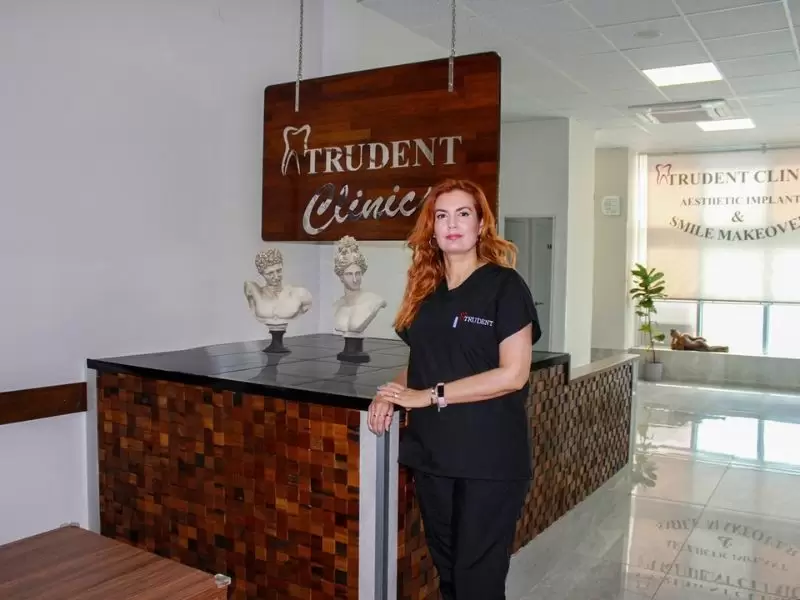
If you are travelling in Turkey, an English-speaking clinic can make communication easier when discussing your usual bite, dental history and repair options. You can request an overseas dental assessment to discuss the damage, possible treatment and whether an existing denture can be repaired or should be replaced.
Take your denture, case, cleaning products and any fragments to the appointment. Tell the dentist when it broke, whether it was dropped or stepped on, and how long you have worn it. This information helps distinguish an isolated accident from a weakened appliance that may fail again.
Manage Costs And Travel Logistics
Ask for a written estimate before authorising treatment. The price may depend on the material, the number of broken components, laboratory fees and whether the repair is completed urgently. Confirm how long the denture must remain at the clinic and whether you need to return for a fitting appointment.
Australian Medicare generally does not cover routine adult dental treatment, and care received overseas is usually handled through travel insurance rather than Medicare. Policies differ, so contact your insurer promptly and keep itemised invoices, receipts, photographs and written treatment notes. Some policies require approval before non-emergency dental work, while others set strict limits for pre-existing dental conditions.
Private health insurance extras may assist with dentures when you return to Australia, but overseas treatment and emergency repairs are not automatically included. Check the details before assuming you can claim. If you are in Sydney, Melbourne, Brisbane or Perth, a local denture clinic may offer a different price and turnaround time from a hotel-based emergency dentist; rural areas can involve longer travel to reach a laboratory.
Plan around your itinerary. A repair completed in Melbourne before a domestic flight may be straightforward, but a same-day connection from Cairns or a remote regional town can make collection difficult. Ask whether the clinic can provide a temporary replacement or post the repaired appliance securely to your next accommodation.
Avoid Quick Fixes That Cause Harm
Never use superglue, epoxy, nail adhesive or household cement on a denture. These substances can irritate or burn oral tissue, leave toxic residues and make professional repair much harder. They can also lock the denture into an incorrect position, changing your bite and increasing pressure on remaining teeth.
Do not attempt to glue a denture tooth by matching it to the broken area yourself. Even a small change in the tooth’s position can affect chewing, speech and jaw comfort. Denture adhesive is designed to improve retention when an appliance is intact; it cannot repair a crack, replace a missing tooth or hold a broken clasp safely.
Avoid wearing a damaged denture through the night or during long periods when you cannot monitor it. If you must use it briefly to communicate or attend an important event, stop immediately if you feel sharp pain, numbness, swelling or increased movement. Never sleep with loose fragments in your mouth.
If repair is not possible, ask about a temporary acrylic denture or a replacement made from a new impression. A rushed repair may be suitable for finishing a trip, but recurring breaks can indicate poor fit, material fatigue, changes in the gums or an unbalanced bite.
Practical Recommendations For Travellers
A small travel kit can reduce inconvenience if your denture breaks away from home. Pack a sturdy case, denture brush, approved soaking tablets, a spare container and the contact details of your regular dentist. Carry your dental history and a photograph of the denture if you have one, particularly when travelling for several weeks.
Before leaving Australia, check your travel insurance wording for dental emergencies, exclusions and approval requirements. Save the policy assistance number offline because airport Wi-Fi and mobile data may not be reliable. It is also sensible to identify dental services near your accommodation before travelling to remote regions or moving between cities.
Keep these practical steps in mind:
- Remove the broken denture if it causes pain, sharp pressure or instability.
- Save every fragment and transport it in a clean, protective case.
- Rinse with lukewarm water, but do not use boiling water or chemical cleaners.
- Arrange an appointment with an emergency dentist, prosthodontist or denture technician.
- Keep receipts, clinical notes and photographs for insurance and future treatment.
A professional assessment can also reveal whether the appliance needs more than a simple repair. If the denture is old, loose or repeatedly fractured, replacing it may provide better comfort and chewing function than continuing with temporary fixes.
Arrange dental help promptly, especially if you have persistent soreness, swelling or difficulty eating. Contact a qualified clinic before changing your travel plans, explain what has happened and ask about the fastest safe option for repair or replacement. A careful assessment can help you protect your mouth, manage costs and get back to your trip with greater confidence.