Managing jaw pain after botulinum toxin injections
Jaw pain following botulinum toxin injections is usually temporary, but it can make everyday activities such as eating, talking and driving uncomfortable. When treatment is placed in the masseter or temporalis muscles, tenderness, pressure or a tired feeling in the jaw is a recognised reaction. The experience can also feel more intense if you were already clenching or grinding your teeth.
Most soreness appears within the first day or two and begins to ease as swelling settles and the injected muscles adjust. Bruising, a slightly heavy bite and mild difficulty opening the mouth can occur. Reactions vary with the dose, injection sites, anatomy and jaw activity, so advice from the clinician who performed the procedure should take priority over general guidance.
Pain should not be dismissed automatically, though. Severe or worsening pain, persistent numbness, marked facial weakness, fever or difficulty swallowing may point to something beyond ordinary post-treatment soreness. Knowing what is common, which self-care measures are sensible and when to seek help can prevent mild discomfort from becoming a prolonged concern.
This guide is written for people receiving treatment in Australia, where injectors must follow Australian requirements and many cosmetic clinics operate in major cities. It also helps if your jaw symptoms began while travelling or after care from a provider elsewhere. A clear history of the injection, including the product, dose, sites and date, is useful for any dentist or medical reviewer.
Why the jaw may feel sore
Botulinum toxin reduces the signalling that allows muscles to contract. The masseter, which powers much of the jaw’s chewing movement, may initially feel tender, weak or unusually tight. The temporalis near the temple can create a band-like headache or a heavy sensation around the upper jaw. These sensations often resemble tension from a stressful day.
The needle itself can cause a small bruise, swelling or localised inflammation. If you clench during the first few days, those muscles may continue working harder as their activity changes. A changed bite can also make previously worn teeth meet differently, producing discomfort when you bite down. That sensation should be checked if it is pronounced or does not settle.
Some jaw problems predate the injection. Cracked teeth, gum disease, tooth decay, an abscess, wisdom-tooth pressure and temporomandibular joint disorders can all cause pain around the ear or jaw. A modest amount of soreness after an injection may coexist with one of these issues, so improving symptoms do not always mean the original cause has been treated.
Caring for the jaw in the first two days
Follow the aftercare instructions supplied with your treatment. These commonly advise avoiding rubbing or pressing the area, intense exercise, alcohol and treatments that raise body temperature for the remainder of the day. A wrapped cold compress can help reduce swelling; apply it gently for short periods rather than placing ice directly against the skin.
Choose soft foods such as yoghurt, eggs, soup or finely cut vegetables, and take smaller bites. Avoid chewing gum, tough meat, ice and sticky sweets while the bite feels unfamiliar. Keep well hydrated and prop yourself up when sleeping if the injected area feels swollen. Do not try to “correct” a changed bite by holding the jaw in another position.
For mild pain, paracetamol may be suitable if you can take it safely; check the packet and ask a pharmacist if unsure. Anti-inflammatory medicines can sometimes increase bruising, so discuss them with the injector or pharmacist rather than combining several pain relievers. Do not use leftover prescription medication, and avoid aspirin if bruising is a concern unless a clinician has specifically advised it.
Habits that support a calmer jaw
Many Australians spend long stretches sitting at desks, talking on the phone, studying or commuting through cities such as Sydney, Melbourne or Brisbane. These habits can encourage unconscious clenching, although noticing it during a busy day is difficult. Short breaks for unclenched teeth, a relaxed jaw and gentle shoulder rolls may reduce tension. Limit energy drinks and excess caffeine if they make you feel jittery, and reduce alcohol if your jaw is more active at night.
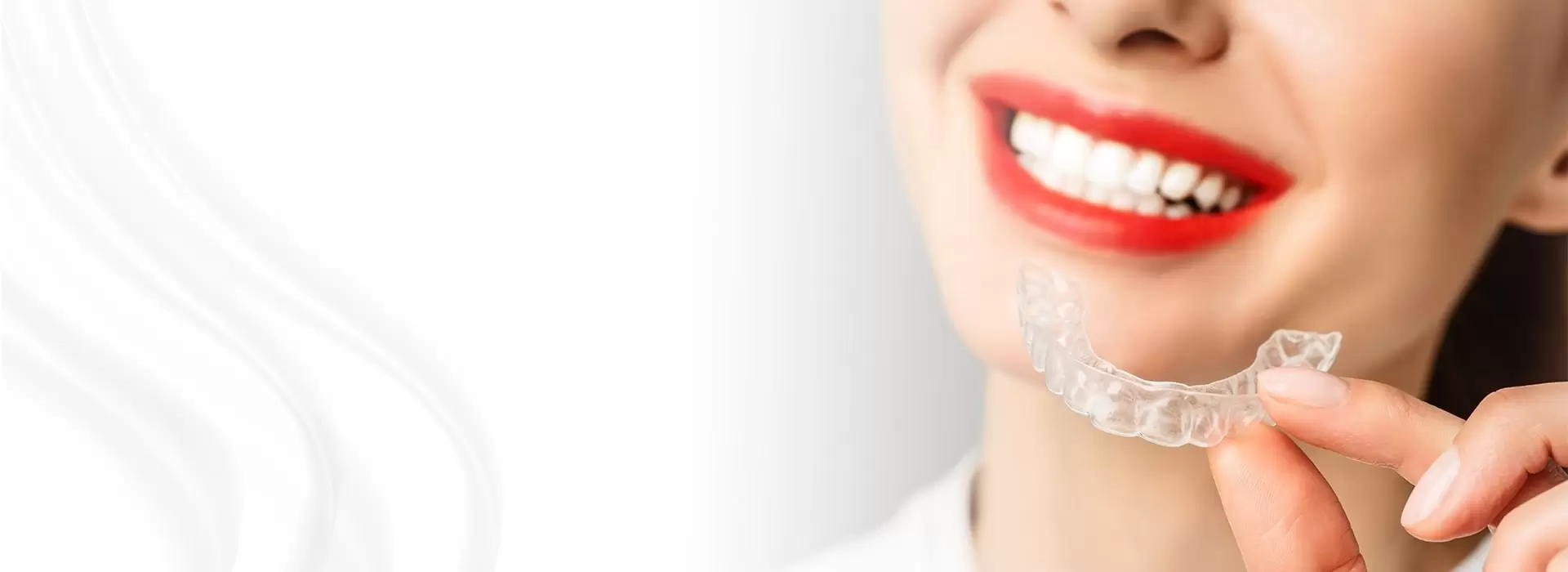
Ask a dentist about a custom night guard if you wake with a sore jaw, wear flattened teeth or hear grinding. A guard made without a full bite assessment can worsen symptoms, so it should be fitted to your teeth. Gentle jaw movement may help stiffness, but stop if it causes pain, clicking or locking. Do not forcefully stretch the jaw, and keep any splint or guard use consistent with the dental advice you receive.
Signs that need prompt medical attention
Contact the injecting clinician promptly if the pain is severe, steadily worsening, concentrated in one tooth or accompanied by persistent facial weakness, numbness, fever, pus, gum swelling or an inability to open the mouth. Also report a bite change that remains pronounced after several days. A phone or video review can help the provider decide whether the jaw needs examination, photographs, dental assessment or referral.
Call 000 or attend an emergency department for difficulty breathing, difficulty swallowing, drooling, a rapidly changing voice or rapidly spreading facial or throat swelling. These are emergency signs and should never be managed with home remedies. In a major Australian city, urgent dental care may be available through an emergency service; in regional and rural areas, a hospital may be the most practical option.
Persistent pain does not always mean the botulinum toxin has been placed incorrectly. The injection may have revealed an existing dental or joint problem, while other treatments or habits may continue to irritate the jaw. If symptoms continue beyond the expected settling period, arrange an examination with a dentist or the original injector so treatment can be directed at the cause.
Finding suitable care in Australia
Australian practitioners who administer botulinum toxin must work within the rules of their profession and prescribe or supply it as a prescription-only medicine under the Therapeutic Goods Administration. Check that the treating health professional is registered with the Australian Health Practitioner Regulation Agency, and ask who is responsible for follow-up care. A reputable consultation should cover expected discomfort, possible side effects, costs and an emergency contact.
The cosmetic treatment market is busy in Sydney, Melbourne, Brisbane and other capital cities, with many clinics advertising jawline treatment. Experience in temporomandibular disorders, facial anatomy and dental occlusion matters more than a discounted introductory offer. Regional clients may have fewer specialist services, so confirm access to review and referral before travelling for treatment. Records, consent forms and aftercare advice should be available on request.
Medicare generally does not rebate elective cosmetic botulinum toxin injections, and private health insurance commonly focuses on specified dental extras rather than cosmetic injectable treatment. Ask for an itemised quote and clarify consultation, procedure and follow-up fees. If pain is the main reason for seeking care, a general dentist can assess the teeth and jaw even when the original injector is in another country.
Coordinating injections with dental treatment
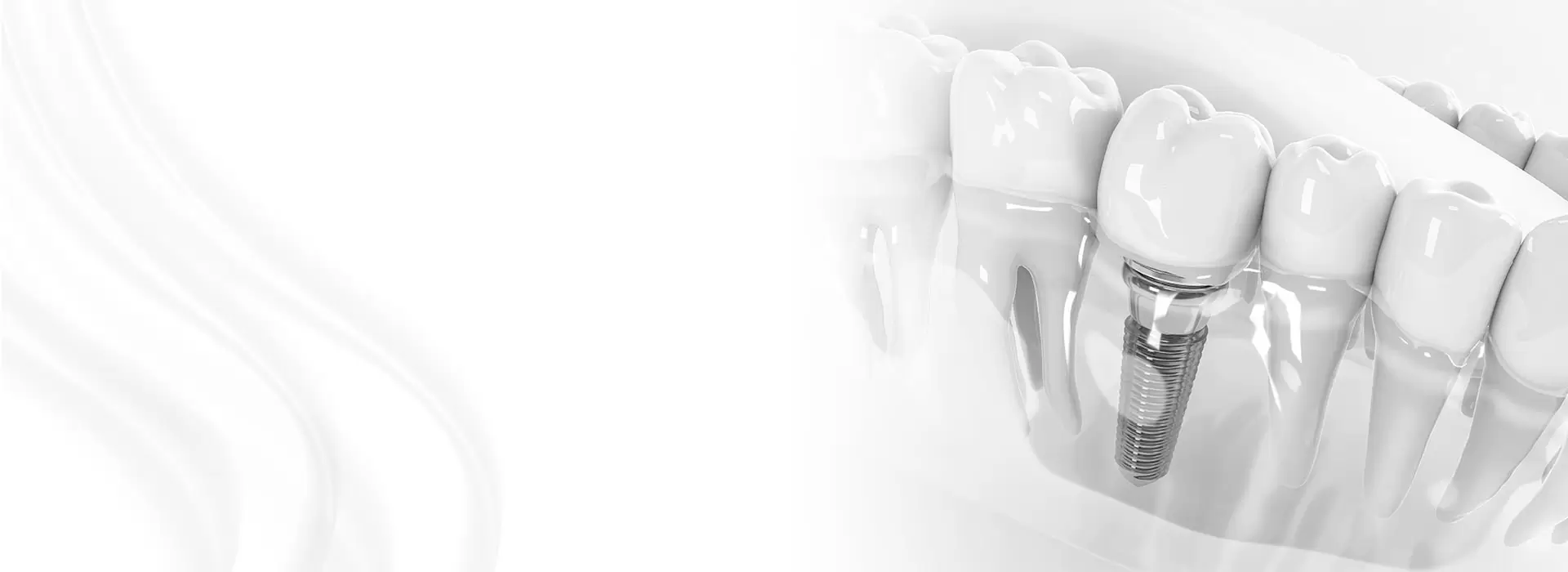
If you are considering veneers, crowns, teeth whitening, aligners or implants, make sure the jaw discomfort is understood before elective treatment begins. Whitening may temporarily increase tooth sensitivity, while substantial restorative work can alter the bite. Botulinum toxin often continues changing muscle activity over the following one to two weeks, so the final shape of a new bite should be assessed before it is incorporated into permanent restorations.
Tell every clinician about the recent injection, including the product, dose and placement sites, and bring treatment records when available. A dental examination can distinguish muscle soreness from decay, infection, tooth wear or joint inflammation. If symptoms are improving, a careful plan can usually preserve the results of both treatments; if they are not, postponing non-urgent dental work allows the jaw to be assessed first.
Most jaw discomfort after botulinum toxin treatment is mild and short-lived, yet persistent symptoms deserve assessment rather than repeated self-treatment. Keep a note of the injection date, product and dose, record any fever, swelling or bite changes, and contact the original provider if pain is not improving. If another clinician is involved, share the same information so care is not based on assumptions.
For personalised advice about jaw-related treatment in Izmir, patients can request a consultation through TruDent’s patient website. Book an assessment early, bring your injection and dental records, and do not delay urgent care for jaw pain accompanied by breathing or swallowing difficulty.