How to Deal with Tooth Sensitivity After Whitening
A brighter smile can improve your confidence, but temporary discomfort is a common side effect of professional or at-home teeth whitening. You may notice a sharp sensation when drinking cold water, eating sweet foods, or breathing in cool air. In most cases, this reaction settles as the teeth recover.
Whitening products use peroxide compounds to break down staining molecules inside the enamel. During this process, the active ingredients can briefly move through the enamel and irritate the dentin beneath it. The nerves inside the tooth then become more responsive to temperature and pressure.
Tooth sensitivity after whitening does not always mean that something has gone wrong. The intensity and duration depend on your enamel condition, the strength of the product, the length of treatment, and whether you already had gum recession, enamel wear, cracks, or untreated decay.
Why Whitening Can Cause Sensitivity
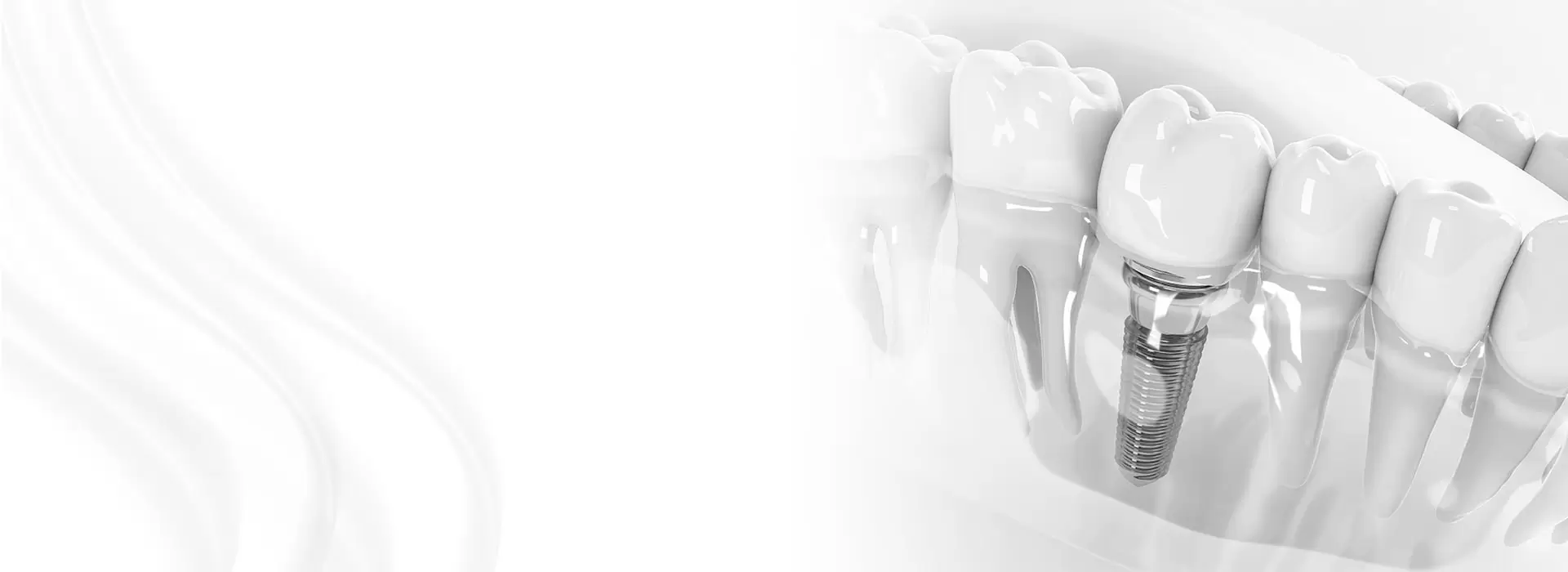
The outer enamel layer protects the more porous dentin underneath. Although whitening gels are carefully formulated, peroxide can temporarily increase fluid movement through microscopic channels in the dentin. This stimulates the nerve and creates a sudden, short-lived sensation.
Sensitivity is more likely when the whitening session is long, the product concentration is high, or treatments are repeated too frequently. Teeth with thin enamel may react more strongly, while exposed root surfaces have less enamel protection and can be especially responsive.
Existing dental problems can make the reaction more noticeable. Cavities, leaking fillings, gum recession, worn enamel, and tiny cracks may expose sensitive areas that were already vulnerable. If discomfort is concentrated in one tooth or continues to worsen, whitening may have revealed a separate issue that needs attention.
What Normal Recovery Feels Like
Typical post-whitening sensitivity appears as a quick, sharp twinge rather than a constant ache. It often affects several teeth and is triggered by cold drinks, hot foods, sweets, or contact with the toothbrush. The sensation usually disappears soon after the trigger is removed.
Many people feel the greatest discomfort during the first 24 hours. Mild symptoms may continue for another day or two, particularly after an intensive in-office treatment. A gradual improvement is a reassuring sign that the nerves are settling.
The pattern matters as much as the intensity. A brief response to cold is generally less concerning than spontaneous throbbing, pain when biting, facial swelling, or discomfort that wakes you at night. These symptoms should not be attributed automatically to whitening.
| Symptom pattern |
Usual meaning |
Appropriate response |
| Brief twinge from cold |
Temporary nerve sensitivity |
Use gentle care and avoid triggers |
| Mild sensitivity to sweets |
Short-term enamel and dentin reaction |
Choose less sugary foods temporarily |
| Tender gum edges |
Gel contact or soft-tissue irritation |
Rinse gently and contact the clinic if it persists |
| Pain in one specific tooth |
Possible cavity, crack, or filling issue |
Arrange a dental assessment |
| Throbbing, swelling, or fever |
Possible infection or deeper inflammation |
Seek prompt professional care |
Steps That Can Reduce Discomfort
Start by avoiding extreme temperatures for a day or two. Choose lukewarm drinks, soft foods, and meals that do not require forceful chewing. Acidic items such as citrus fruit, fizzy drinks, and vinegar-based foods may make the teeth feel more reactive, so limiting them during recovery can help.
Brush with a soft-bristled toothbrush and light pressure. An abrasive whitening toothpaste may increase irritation, especially if the enamel is already sensitive. Instead, use a fluoride toothpaste formulated for sensitive teeth. Apply a small amount to the sensitive areas and allow it to remain briefly before rinsing, unless the product instructions say otherwise.
A fluoride rinse or professionally recommended desensitizing gel may also calm the nerves and strengthen enamel. Some products contain potassium nitrate, which reduces nerve responsiveness, while fluoride supports mineral repair. Ask a dentist or pharmacist which option is suitable if you have extensive sensitivity or existing dental work.
Over-the-counter pain relief can be considered when needed, provided it is safe for your health and compatible with any medicines you take. Follow the package directions and do not place aspirin directly on the gums, as this can irritate soft tissue.
Habits That Support Enamel Recovery
Good hydration helps maintain saliva flow, which naturally supports the mouth’s protective balance. Saliva supplies minerals that contribute to enamel remineralization, so drinking water regularly is useful after bleaching. Sugar-free gum can also stimulate saliva when it is comfortable to chew.
Avoid brushing immediately after consuming acidic food or drinks. Acid temporarily softens the enamel surface, and brushing too soon can increase wear. Rinse with water first and wait around 30 minutes before brushing normally.
Continue daily oral hygiene, but keep the routine gentle. Plaque accumulation can irritate the gums and make sensitivity feel worse. Floss carefully around the gumline, and pay attention to any areas where the gums bleed, recede, or feel unusually tender.
Future whitening sessions should be spaced according to professional advice rather than repeated whenever the shade begins to fade. A dentist can adjust the gel strength, treatment duration, tray fit, or application schedule to make cosmetic results more comfortable. A personalized plan from TruDent Clinics can also help identify whether whitening is appropriate for your enamel and existing restorations.
A Simple Recovery Routine
A few practical changes can make the first days after whitening easier. The goal is to reduce nerve stimulation while protecting enamel and keeping the mouth clean.
- Use sensitive-teeth fluoride toothpaste twice daily with a soft toothbrush.
- Select lukewarm drinks and avoid very cold, hot, acidic, or sugary items temporarily.
- Rinse with water after meals and wait before brushing after acidic foods.
- Follow the whitening product instructions exactly; do not extend the treatment time.
- Contact a dental professional if symptoms are severe, one-sided, worsening, or persistent.
Whitening toothpaste and bleaching treatments are different. Most whitening toothpastes remove surface stains through mild abrasives, while peroxide treatments change the color of deeper stains. Using several brightening products at once can increase irritation without producing better results.
If you use custom trays at home, make sure they fit closely. Excess gel that reaches the gums can cause burning, whitening of the soft tissue, and localized soreness. Use only the amount recommended by the provider, and remove any gel that spills over the tray edges.
When Professional Advice Is Important
Sensitivity lasting longer than several days deserves an assessment, especially if it does not gradually improve. A dentist can examine the enamel, gums, fillings, and bite to determine whether the whitening caused temporary irritation or exposed another condition.
Seek prompt care for swelling, pus, fever, severe pain, a broken tooth, or pain that occurs without an obvious trigger. Pain when biting can point to a crack or inflammation around the root, while lingering heat sensitivity may need more detailed evaluation.
A dental professional may recommend fluoride varnish, desensitizing treatment, a pause from whitening, or restorative care for cavities and worn areas. If the problem is gum recession, treatment may focus on protecting exposed roots. If a filling or crown is involved, the restoration may need adjustment or replacement.
People with extensive crowns, veneers, bonding, or dental implants should also discuss expectations before whitening. Natural teeth may respond to peroxide while restorations keep their existing color, creating uneven results. A cosmetic consultation can help determine whether whitening, polishing, replacement of visible restorations, or a broader smile makeover will provide the most balanced outcome.
Preventing Sensitivity During Future Whitening
Before another treatment, schedule a routine examination and explain any previous reaction. Your dentist may recommend using sensitive-teeth toothpaste for one or two weeks beforehand, shortening the treatment interval, or choosing a lower-concentration formula.
Professional whitening is often easier to control because the provider can protect the gums and monitor the application. Custom trays can also limit gel movement and deliver a more even dose than poorly fitting generic trays. The safest approach depends on your enamel thickness, stain type, gum health, and dental history.
Do not assume that stronger or longer treatment will create a better smile. Whitening has a natural limit, and overuse may increase sensitivity, enamel wear, or gum irritation. Maintenance with regular cleaning, sensible food choices, and occasional dentist-guided touch-ups is usually more sustainable than frequent intensive bleaching.
If sensitivity develops every time you whiten, ask whether another cosmetic option would suit you better. Veneers, bonding, or carefully matched crowns may address discoloration or shape concerns when bleaching alone cannot provide the desired result.
Prompt attention can turn an uncomfortable whitening experience into useful information about your oral health. Book a consultation with TruDent Clinics to assess persistent sensitivity, discuss safe whitening options, and create a comfortable plan for a brighter, healthier-looking smile.