Clear aligners or braces: an adult guide to choosing well
Straightening adult teeth is no longer limited to conspicuous metal brackets. Clear aligners, ceramic braces and modern orthodontic systems give adults several ways to improve crowding, spacing and bite problems while fitting around work, family life and social commitments. The right choice depends on your teeth, gums, treatment goals and how consistently you can follow the plan.
For patients in Australia, the decision also involves practical matters such as private health cover, appointment availability and access to experienced providers. Whether you are in Melbourne, Perth, Brisbane or a regional town, a proper assessment should come before comparing prices or choosing the most discreet option.
How clear aligners work
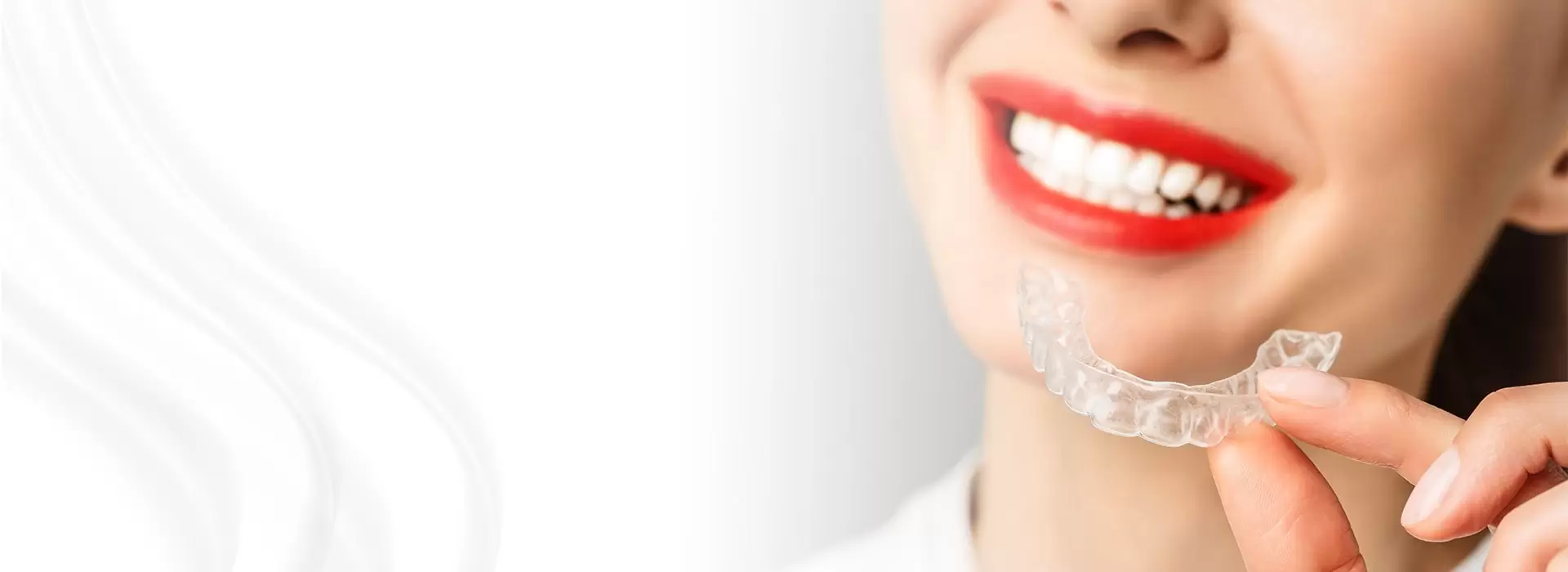
Clear aligners are removable trays made from transparent plastic. Each set applies controlled pressure to selected teeth, and you change to the next set according to your dentist’s or orthodontist’s instructions. Small tooth-coloured attachments may be bonded to the teeth to help the trays rotate or move particular teeth more effectively.
Most people need to wear aligners for around 20 to 22 hours each day. They are removed for meals, drinks other than water and brushing, which makes cleaning simpler than it can be with fixed appliances. Treatment times vary widely, but mild alignment concerns may take several months, while complex bite correction can take considerably longer.
The convenience comes with responsibility. Leaving trays out for long periods, losing them while travelling or forgetting to change them can delay progress. Adults with a reliable routine often appreciate the flexibility, while people who prefer a treatment system that works continuously may find fixed braces easier to manage.
When traditional braces may be the stronger option
Traditional braces use brackets and archwires to guide teeth into new positions. Metal braces remain highly effective for significant crowding, rotations, gaps and bite problems because the appliance stays attached throughout treatment. Ceramic or tooth-coloured brackets can provide a less noticeable alternative, although they may cost more and require careful cleaning.
Braces can be particularly useful when tooth movement needs to be precise or when a patient may struggle to wear removable trays consistently. Your orthodontic provider can adjust the wires gradually and use elastic bands or other components to influence the relationship between the upper and lower jaws.
Fixed appliances do require extra care. Food can collect around brackets, so brushing and interdental cleaning become essential. Hard, sticky foods may need to be avoided, and an occasional loose bracket or poking wire may require an appointment. This is worth considering if you travel frequently between Australian cities or live far from your clinic.
The condition of your teeth matters first
Adult orthodontic treatment should begin with an examination of the teeth, gums, jaw joints and existing dental work. Gum disease, untreated decay and poor oral hygiene may need attention before any aligner or brace is fitted. Moving teeth through unhealthy supporting tissues can create avoidable risks.
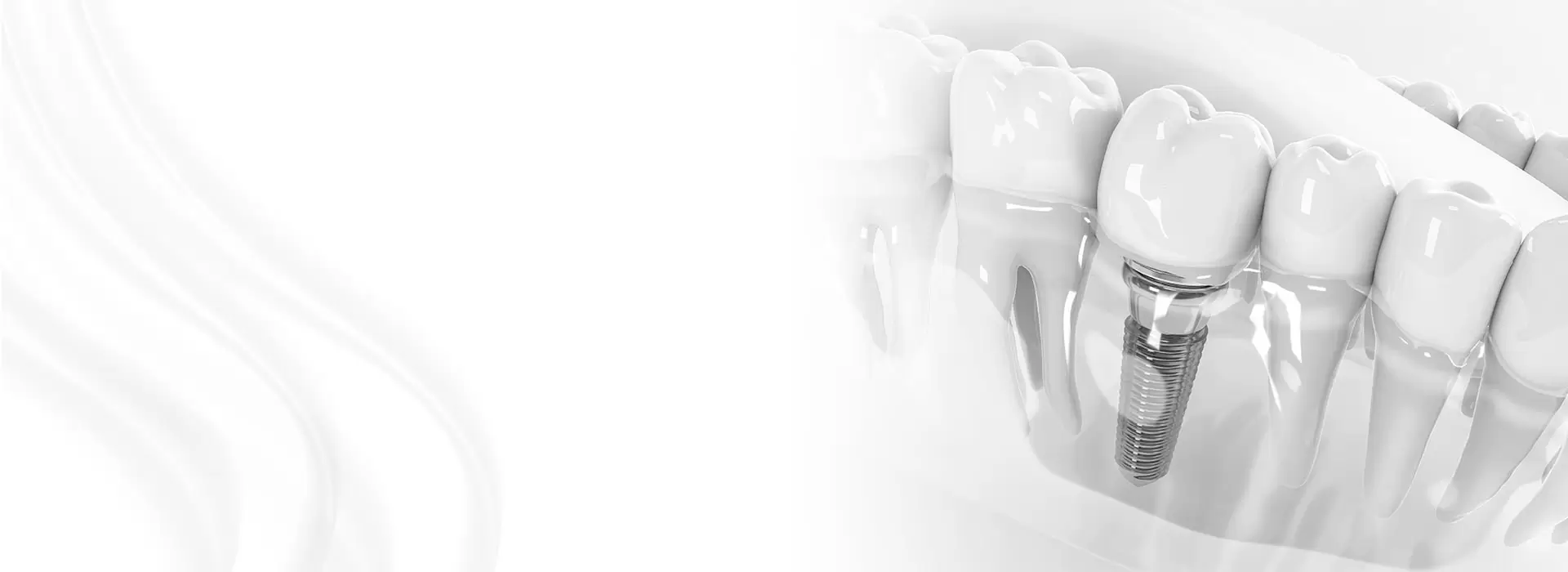
Crowns, bridges, veneers and dental implants also affect planning. An implant cannot be moved like a natural tooth, while existing restorations may need to be replaced after alignment. If you have had root canal treatment, tooth wear or previous orthodontics, your provider may recommend X-rays, photographs and digital scans before proposing a treatment pathway.
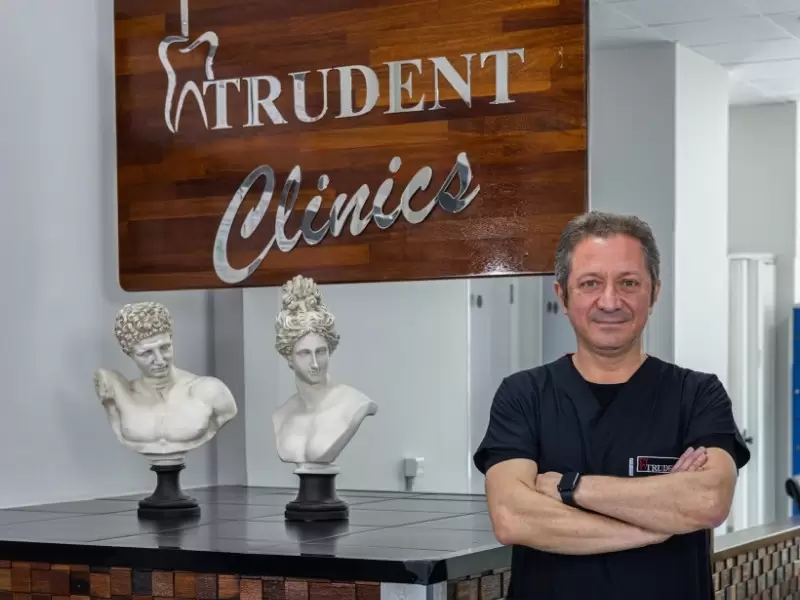
A personalised assessment is more useful than an online suitability quiz. For an overview of the provider and its dental services, you can review TruDent Clinics before arranging a consultation. The aim should be a stable, healthy bite, rather than simply making the front teeth look straighter.
Comparing appearance, comfort and daily life
Clear aligners are usually the least visible choice, which appeals to adults in client-facing roles, university courses and social settings. They can be removed for a presentation, wedding or special meal, although wearing them consistently afterwards remains important. Mild pressure or tenderness is normal when a new tray is introduced.
Braces are visible, but many adults adapt quickly to their appearance. Ceramic brackets can reduce the visual impact, while modern wires and bracket designs may improve comfort compared with older systems. Both approaches can cause temporary soreness, and neither should be described as completely invisible or entirely discomfort-free.
Your habits may settle the choice. If you enjoy grazing throughout the day, aligners mean removing and cleaning the trays repeatedly. If you play contact sport, a custom mouthguard may be required with braces or aligners. People who enjoy coffee, red wine or strong curries should also discuss staining and cleaning, particularly when choosing clear attachments or ceramic brackets.
Cost, appointments and Australian dental care
Adult orthodontic fees in Australia vary according to complexity, appliance type, treatment length and the level of supervision provided. Medicare generally does not cover routine adult orthodontics, so patients commonly use private health insurance extras where orthodontic benefits are included. Waiting periods, annual limits and lifetime limits can apply, so check the policy rather than assuming the full cost will be reimbursed.
Quotes should explain what is included, such as scans, retainers, refinements, replacement aligners, emergency visits and follow-up care. A cheaper initial fee may not represent the final cost if retainers or additional appointments are charged separately. Ask for a written treatment estimate and clarification about payment plans before starting.
Appointment convenience matters in a country where travel distances can be substantial. Someone in outer Sydney, the Sunshine Coast or regional Western Australia may need to plan time away from work for adjustments. Clear aligners can reduce the frequency of some visits, but they still require monitoring. Remote check-ins may be available in selected plans, though they should support—not replace—clinical assessment when problems arise.
Planning for results that last
After active treatment, retainers help hold teeth in their new positions. Teeth can shift over time because the surrounding tissues remodel and natural biting forces continue. Retainers may be removable, fixed behind the teeth or used in combination, depending on your situation.
Before selecting an appliance, ask how retention will work and how much replacement retainers cost. This is especially important for adults who want a long-term smile makeover rather than a short-term cosmetic change. A well-designed treatment should account for your bite, facial balance, gum health and the condition of each tooth.
You can also ask how the clinic approaches current orthodontic methods. Information about modern orthodontic techniques may help you understand the range of appliances available, but marketing material cannot determine whether aligners or braces are suitable for your particular case. That decision belongs in a clinical consultation.
A practical choice usually comes down to three questions: how complex is the movement required, how discreet does the appliance need to be, and which routine can you follow reliably? Aligners may suit a disciplined adult with mild to moderate concerns who values removability. Braces may be preferable for complex movements, continuous control or anyone who does not want to manage trays.
Schedule an assessment with a qualified dental professional to receive a personalised comparison of clear aligners, ceramic braces and traditional metal braces. Bring details of your dental history, private health cover and lifestyle commitments so the treatment plan reflects real life in Australia, from work schedules to travel and everyday meals.