How to Find a Dentist Specializing in Aesthetic Dentistry
Choosing a dentist for cosmetic treatment involves more than finding attractive before-and-after photographs. Aesthetic dentistry combines oral health, facial balance, restorative skill, and careful planning. The right clinician should understand how treatments such as veneers, crowns, whitening, aligners, and implants affect both your smile and your long-term dental function.
Patients often begin with a simple goal, such as brighter teeth or a more even smile. During assessment, however, a qualified cosmetic dentist may identify other factors that influence the result, including tooth wear, gum position, bite alignment, missing teeth, or old restorations. This is why a detailed consultation matters before any procedure is recommended.
Whether you are seeking treatment locally or considering dental care in Izmir, Turkey, use a structured approach. Reviewing qualifications, treatment options, communication, materials, and aftercare can help you choose a dental clinic that treats your personal needs rather than offering the same smile design to every patient.
Define the result you want
Start by identifying what you would like to change. Your concern may involve tooth colour, minor gaps, uneven edges, worn enamel, crowded teeth, missing teeth, or the overall proportions of your smile. Clear priorities help a dentist understand your expectations and decide which treatment categories may be relevant.
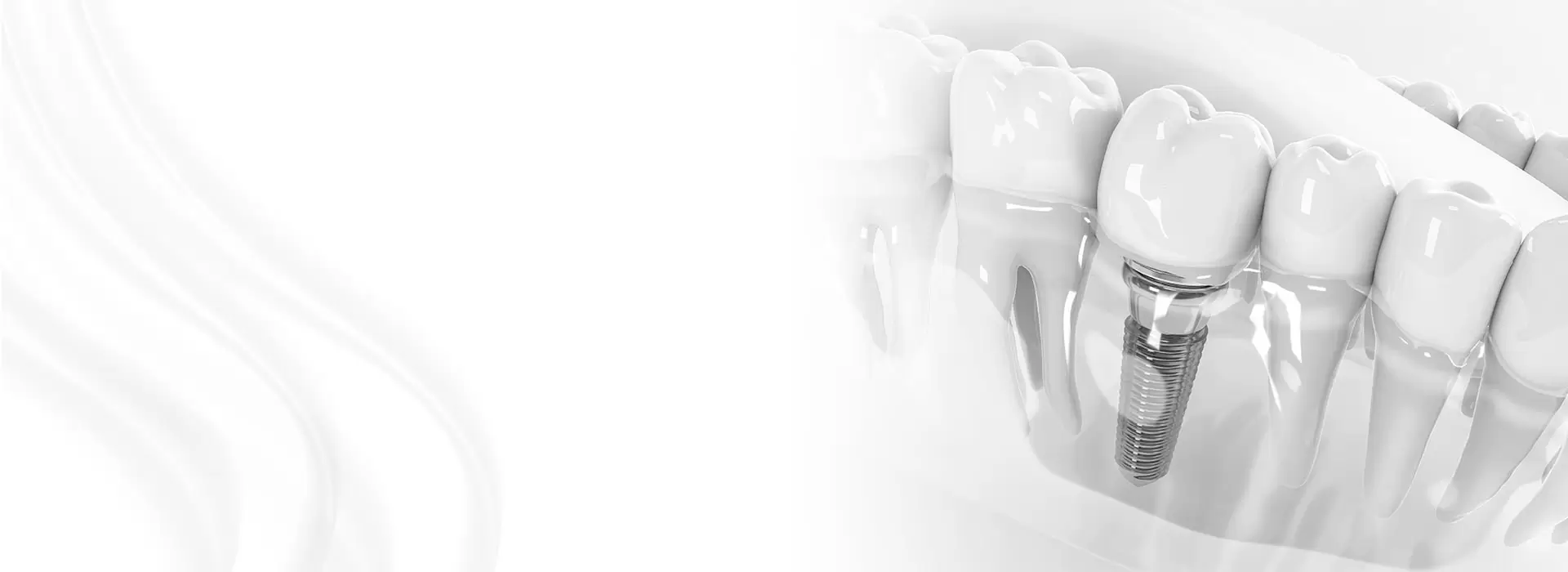
Cosmetic dentistry can include professional teeth whitening, porcelain veneers, composite bonding, dental crowns, invisible aligners, implants, or a combination of procedures. These options serve different purposes. Whitening changes the shade of natural teeth, while veneers alter visible shape and colour. Aligners address certain alignment concerns, and implants replace missing teeth with a fixed restoration.
A reputable provider should explain which options are suitable and which are unnecessary. Be cautious of consultations that focus on a single procedure before examining your teeth, gums, bite, and medical history. A beautiful result should also be comfortable, maintainable, and appropriate for your oral health.
Check training, experience, and clinical scope
Look for a dentist with recognized dental qualifications, current registration where applicable, and specific experience in aesthetic and restorative dentistry. Cosmetic work requires an understanding of tooth preparation, occlusion, gum health, colour matching, photography, and the relationship between restorations and facial features.
Experience should be relevant to your intended treatment. If you need veneers, review examples of veneer cases. If you have missing teeth, ask about implant planning and restorative stages. Patients interested in a complete smile makeover may benefit from a provider experienced in combining orthodontic, periodontal, restorative, and cosmetic techniques.
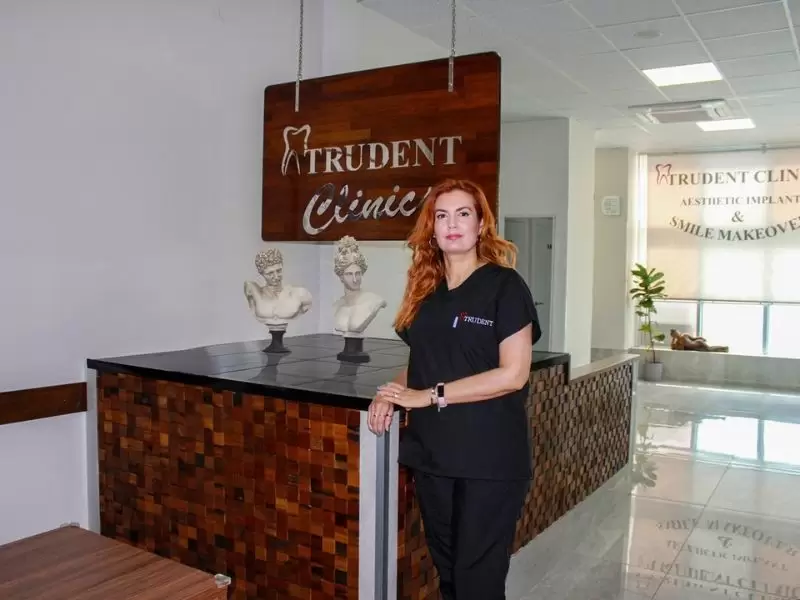
A clinic’s broader service range can also be useful. General dentistry and emergency care allow important health concerns to be addressed before elective treatment. Some clinics, including TruDent Clinics in Izmir, provide cosmetic procedures alongside general dental care, implant treatment, invisible aligners, and care for urgent dental problems. This can support a more coordinated plan when several needs overlap.
Evaluate the consultation process
The first appointment should be a clinical assessment rather than a sales presentation. The dentist should listen to your concerns, review your dental and medical history, examine your teeth and gums, and discuss your bite. Depending on the proposed treatment, photographs, digital scans, X-rays, or other diagnostic records may be appropriate.
Ask how the proposed smile will be designed. A careful plan may consider tooth width, length, colour, symmetry, gum display, facial proportions, and the way your teeth meet when you bite. You should have an opportunity to discuss the desired level of whiteness, the natural or highly polished appearance you prefer, and any concerns about sensitivity or tooth reduction.
A personalized treatment plan should describe the recommended procedures, their sequence, expected appointments, estimated timescale, maintenance requirements, and possible alternatives. If you are travelling for treatment, ask whether the clinic can arrange remote assessment before arrival and explain how many visits are typically needed.
Compare treatment options and materials
Different aesthetic treatments have different indications, costs, lifespans, and maintenance needs. The most suitable choice depends on the condition of your teeth, your bite, your budget, and how much change you want to make. A dentist should explain both the advantages and limitations of each option.
| Treatment |
Common purpose |
Questions to ask |
| Professional whitening |
Lightens the shade of natural teeth |
Is sensitivity likely, and will existing restorations match afterward? |
| Porcelain veneers |
Changes the visible colour and shape of selected teeth |
How much enamel preparation is needed, and are they suitable for my bite? |
| Dental crowns |
Restores weakened, heavily filled, or damaged teeth |
Why is a crown recommended instead of a more conservative restoration? |
| Invisible aligners |
Gradually corrects suitable alignment concerns |
What movements are realistic, and will retainers be required? |
| Dental implants |
Replaces missing teeth with a fixed restoration |
Is there sufficient bone, and what are the surgical and restorative stages? |
| Composite bonding |
Makes minor shape or proportion adjustments |
How should the material be maintained and repaired if chipped? |
Material quality matters, but it should be discussed alongside planning and technique. A premium ceramic cannot compensate for poor fit, unhealthy gums, or an unsuitable bite. Ask which laboratory produces the restorations, how colour is selected, whether a temporary version or preview is available, and how adjustments are handled before final placement.
You should also receive clear information about risks. Veneers and crowns may involve irreversible tooth preparation, while aligners require consistent wear. Whitening can cause temporary sensitivity, and implant treatment involves surgical considerations. Honest discussion of limitations is a sign of professional care, not a reason to reject treatment.
Review evidence, communication, and aftercare
Before choosing a cosmetic dentist, examine authentic case examples that resemble your situation. Look for consistent photography, different patient profiles, and results that appear natural rather than identical. Images should be viewed as evidence of style and experience, not as a promise that your outcome will be the same.
Patient reviews can reveal useful details about punctuality, communication, comfort, cleanliness, and support after treatment. Give greater weight to reviews that describe the full process instead of relying only on star ratings. You can also ask whether the clinic will provide a written treatment plan and a direct contact channel for questions.
Aftercare is especially important for patients travelling internationally. Confirm what happens if a restoration feels uncomfortable, a temporary crown loosens, or you need an adjustment after returning home. Ask about warranty terms, follow-up appointments, retainers, hygiene visits, and coordination with your local dentist. A clinic that explains aftercare clearly is easier to work with throughout the life of your treatment.
Questions to ask before booking
A consultation becomes more useful when you arrive with practical questions. Answers should be specific to your dental condition rather than based on general promotional language. You can also request time to consider the plan before making a decision, particularly when treatment involves permanent changes.
- Which dentist will assess and perform each stage of my treatment?
- What are the conservative alternatives to the recommended procedure?
- Will I need fillings, gum treatment, orthodontics, or hygiene care first?
- Which materials and dental laboratory will be used?
- How many appointments are needed, and what happens if I live abroad?
- What are the maintenance, repair, warranty, and follow-up arrangements?
Pay attention to how the team responds. Good communication includes plain explanations, realistic timescales, transparent pricing, and a willingness to discuss disadvantages. You should never feel pressured to accept a treatment plan immediately or choose additional procedures that do not relate to your goals.
Choose a plan that protects your oral health
The best aesthetic dentist is not simply the provider with the most dramatic smile makeovers. It is the clinician who can balance appearance with healthy teeth, stable gums, a comfortable bite, and a plan you understand. Cosmetic dentistry should enhance your smile while respecting the structure that supports it.
At TruDent Clinics in Izmir, patients can discuss cosmetic options such as veneers, crowns, whitening, invisible aligners, smile makeovers, and dental implants alongside general and emergency dental care. Botulinum toxin injections may also be considered for selected cosmetic or jaw-related concerns after an appropriate assessment. The right option depends on an individual consultation, not on a standard package.
If you are ready to explore aesthetic dental treatment, schedule a consultation with TruDent Clinics. Bring your concerns, relevant dental records, and any questions about timing or travel. A detailed assessment can help you understand your choices and move forward with a smile plan designed around your health, preferences, and expectations.