How to find an English-speaking dentist in Turkey
Turkey has become a popular destination for dental care, combining modern clinics with competitive treatment costs. Patients travel to cities such as Izmir, Istanbul, Antalya, and Ankara for veneers, dental implants, crowns, teeth whitening, orthodontic treatment, and complete smile makeovers.
Language should be part of your decision from the beginning. Clear communication helps you explain your dental concerns, understand your options, review risks, and follow aftercare instructions. Finding a dentist who speaks English in Turkey is usually possible, but it is still important to check the clinic’s communication standards rather than relying on a brief online translation.
The right choice involves more than finding English-speaking staff. You should also evaluate qualifications, treatment planning, technology, costs, emergency support, and the clinic’s approach to personalized care. A reliable dental provider will make communication easy before, during, and after your appointment.
Search through reliable clinic websites
Begin with official dental clinic websites rather than relying only on social media advertisements or price-comparison pages. A professional website should explain the dentist’s services, qualifications, clinic location, treatment process, and available consultation options. Look for clear information about cosmetic dentistry, restorative treatments, dental implants, orthodontics, and general dental care.
Search terms such as “English-speaking dentist in Izmir,” “English-speaking dental clinic in Turkey,” or “international patient dentist Turkey” can help you create an initial list. You can also search for specific services, including English-speaking implant dentist, English-speaking cosmetic dentist, or English-speaking emergency dental clinic.
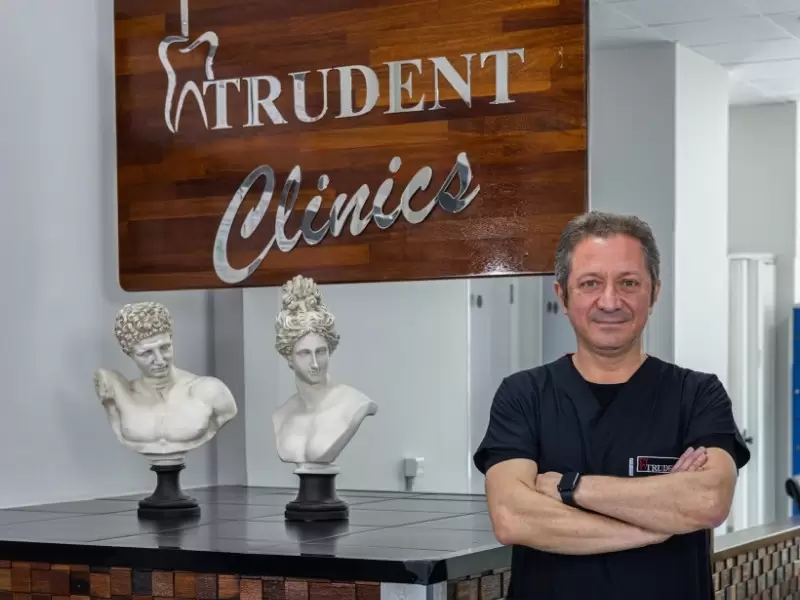
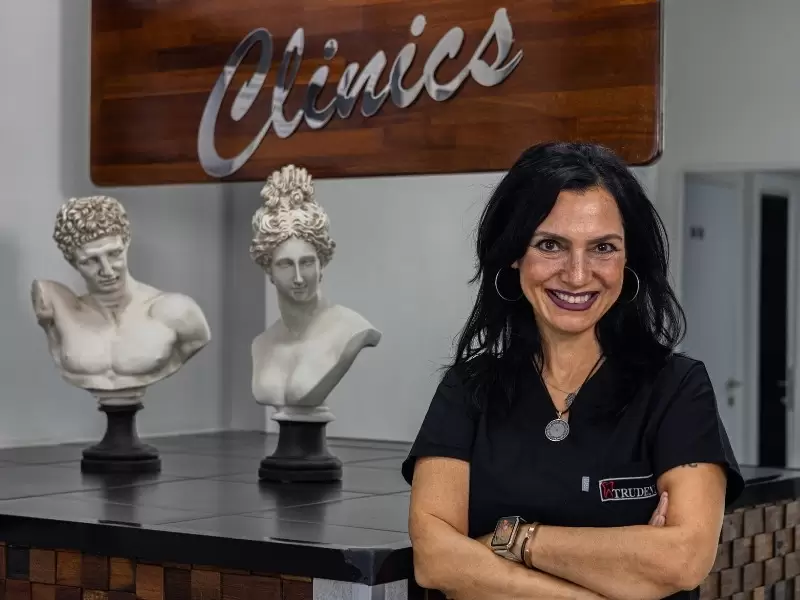
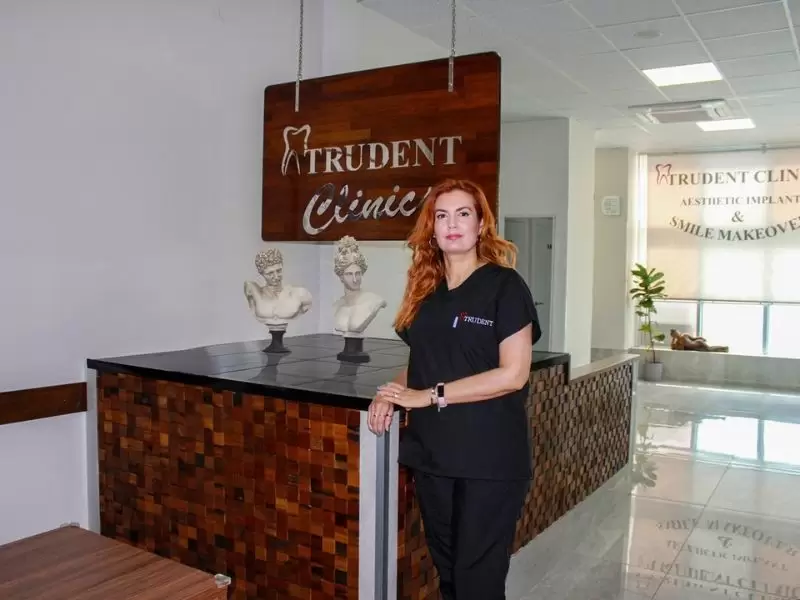
Pay attention to how the website is written. Well-translated information, clear contact details, and an organized consultation process often indicate that the clinic regularly works with international patients. A clinic such as TruDent Clinics in Izmir may be suitable for overseas visitors because it offers aesthetic and general dentistry, emergency care, and personalized treatment planning in one setting.
Confirm who will communicate with you
A clinic may advertise English support, but this can mean different things. In some practices, only the coordinator speaks English while the dentist communicates through an interpreter. That arrangement can work, although direct conversation with the treating dentist is preferable for discussing symptoms, expectations, and treatment risks.
Ask whether the dentist personally speaks English and whether English is available throughout the patient journey. This includes the first consultation, examination, treatment explanation, consent forms, procedure, discharge instructions, and follow-up appointments. If an interpreter is involved, ask whether interpretation is included in the quoted cost.
A short video consultation can help you assess communication before travelling. During the appointment, the dentist should listen carefully, explain findings in understandable language, and give you time to discuss alternatives. Be cautious if you receive only a quick price without an examination, photographs, X-rays, or a discussion of your dental history.
Compare treatment standards and patient support
English fluency is important, but it should be considered alongside clinical standards. Ask about the dentist’s education, professional registration, experience with your treatment, sterilization procedures, diagnostic equipment, and laboratory partnerships. For complex procedures such as full-mouth rehabilitation or implants, experience and planning are especially important.
International patients should also understand how the clinic manages records and follow-up care. Request copies of X-rays, treatment plans, consent documents, and invoices. These records can be useful if you need care in your home country after returning from Turkey.
| What to check |
Why it matters |
Useful question |
| Dentist’s language ability |
Allows direct discussion of care and risks |
Does the treating dentist speak English fluently? |
| Qualifications and experience |
Helps you assess clinical suitability |
How often does the dentist perform this procedure? |
| Diagnostic process |
Supports an accurate treatment plan |
Will I receive an examination and appropriate imaging? |
| Written treatment plan |
Clarifies procedures, materials, and fees |
Can I receive the plan in English before travelling? |
| Follow-up arrangements |
Provides support after treatment |
Who will I contact if I have a problem later? |
| Emergency care |
Helps manage pain, swelling, or complications |
Is urgent care available outside regular hours? |
| Laboratory and materials |
Influences fit, appearance, and durability |
Which materials and dental laboratories are used? |
A trustworthy clinic should explain what is recommended and why. It should also distinguish essential treatment from optional cosmetic work. For example, a dentist may need to address decay, gum disease, or an infection before placing veneers or crowns. Treating the underlying problem first can protect both your oral health and the long-term result.
Evaluate reviews and international patient feedback
Reviews can provide useful information about communication, punctuality, cleanliness, staff behavior, and aftercare. Read feedback across several platforms instead of relying exclusively on testimonials published by the clinic. Look for detailed experiences that mention the consultation, treatment explanation, actual procedure, and recovery.
Be careful with reviews that focus only on low prices or dramatic before-and-after images. Dental outcomes vary according to bone health, gum condition, bite, oral hygiene, material selection, and individual healing. Photographs can be helpful, but they should not replace a proper examination and diagnosis.
You can also ask the clinic whether it has experience with patients from your country. International dental clinics often have systems for arranging airport transfers, accommodation guidance, translated documentation, and remote follow-up. These services can make the process more convenient, but they should support clinical care rather than distract from it.
Review the treatment plan and total price
Before booking flights, request a written treatment proposal in English. It should identify each procedure, the number of appointments, the type of materials, estimated treatment time, and total cost. If the plan includes veneers, crowns, implants, aligners, whitening, or a smile makeover, the document should explain how those treatments fit together.
Ask whether the price includes consultation, imaging, temporary restorations, laboratory fees, medication, adjustments, and follow-up visits. For dental implants, clarify whether the quote covers the implant fixture, abutment, crown, bone grafting, and any required sinus lift. A low initial price may increase if important stages are excluded.
Travel costs should also be included in your personal budget. Consider flights, accommodation, local transport, meals, insurance, and the possibility of an additional stay if treatment takes longer than expected. A transparent clinic will explain the financial terms without pressuring you to make an immediate decision.
Prepare for the consultation
Prepare a concise dental history before speaking with a Turkish dentist. Include current symptoms, previous treatments, allergies, medications, medical conditions, smoking habits, and your main goals. If you have recent X-rays or treatment records, send them securely to the clinic for preliminary review.
Think about the result you want, but remain open to clinical advice. A dentist may recommend orthodontics, gum treatment, whitening, or restorative work before cosmetic veneers. Invisible aligners may be appropriate for certain alignment concerns, while crowns or implants may be needed when teeth are severely damaged or missing.
During the consultation, make sure you understand the answers before approving treatment. The following points can help you organize your discussion:
Details worth confirming before booking
- The dentist’s name, qualifications, registration, and experience with your procedure
- Whether the dentist speaks English directly or uses an interpreter
- The proposed treatment sequence, appointment length, and expected recovery
- The materials, brands, laboratory, and warranties included in the plan
- The total price, payment schedule, cancellation terms, and possible extra fees
Clear communication should continue after you return home. Ask how the clinic handles remote reviews, complications, adjustments, and coordination with a local dentist. This is particularly important after implant surgery, extensive crowns, gum treatment, or a full smile restoration.
Know when to seek urgent dental care
Language becomes especially important during a dental emergency. Severe tooth pain, facial swelling, bleeding, a broken restoration, dental trauma, or signs of infection require prompt assessment. When contacting a clinic, explain when the problem started, how severe it is, and whether you have fever, swelling, difficulty swallowing, or breathing problems.
Ask in advance whether the dental provider offers emergency appointments and English-speaking support outside normal hours. If you are already in Turkey, the hotel reception, travel insurer, or local medical service may help you locate urgent care, but the clinic should still provide clear instructions.
TruDent Clinics offers general dentistry and emergency dental care alongside cosmetic services in Izmir. A consultation can help determine whether you need immediate pain relief, infection control, restorative treatment, or a longer-term plan involving implants, crowns, whitening, veneers, or aligners.
Finding the right English-speaking dental clinic in Turkey means checking communication, credentials, treatment quality, pricing, and aftercare together. Contact TruDent Clinics to arrange a consultation in Izmir and discuss a treatment plan designed around your dental health, goals, and travel needs.