How to Find Reliable Patient Reviews for Turkish Dentists
Choosing a dentist in Turkey often involves more research than checking a clinic’s gallery or comparing treatment prices. Patients may be travelling internationally for veneers, crowns, implants, aligners, whitening, or a complete smile makeover, so online feedback can influence both clinical and travel decisions.
Reliable patient reviews can help you understand communication, treatment planning, comfort, aftercare, and the consistency of results. However, a five-star rating alone cannot show whether a clinic is suitable for your dental needs. The most useful approach combines detailed testimonials, independent platforms, visual evidence, and direct communication with the dental team.
Review research should also account for the type of treatment you need. A patient praising a whitening appointment may provide little insight into implant planning or full-mouth rehabilitation. Learning how to assess relevant evidence makes it easier to compare Turkish dentists with realistic expectations.
What reliable dental reviews reveal
A useful review contains specific information rather than general enthusiasm. Look for comments about the initial consultation, explanations of treatment options, waiting times, clinical environment, pain management, temporary restorations, and follow-up support. Details help you understand what the patient actually experienced.
The timing of the review matters as well. A comment posted immediately after treatment may describe hospitality and first impressions, but it cannot tell you much about long-term comfort, bite function, gum health, or the durability of veneers and crowns. Reviews written weeks or months later offer a broader perspective.
Pay attention to whether patients describe both positive and less convenient aspects of their journey. Balanced feedback often appears more credible than a series of identical comments containing only praise. A patient who explains how a concern was handled may provide more useful information than someone who simply says the clinic was excellent.
Where to look for independent feedback
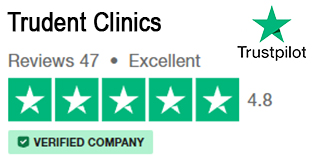
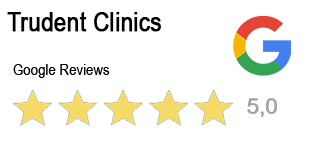
Start with platforms that are separate from the clinic’s own website. Google Business Profile reviews can reveal recurring opinions about communication, punctuality, cleanliness, and staff behaviour. Independent healthcare directories may provide additional information, although their review policies and verification processes vary.
Social media can be helpful for finding patient-uploaded photographs and videos, but it needs careful interpretation. Images may be edited, taken under different lighting, or posted before the final result has settled. Instagram comments are also rarely a substitute for detailed, independently verified treatment feedback.
Discussion forums and dental tourism communities can show how patients compare clinics, organise travel, and manage follow-up care. These conversations may contain valuable practical details, yet personal experiences are not universal. A complicated case, a different dentist, or a separate treatment plan can produce a very different outcome.
How to spot authentic patient experiences
Authentic reviews tend to describe a journey. They may mention how the clinic collected dental records, whether scans or photographs were requested, how the treatment plan changed after examination, and how the patient was supported after returning home. These details are especially important when treatment is arranged from another country.
Look for consistency between the written review and the accompanying evidence. A patient discussing porcelain veneers should ideally show a result that appears natural in shape, colour, and relationship to the gums. Implant reviews may mention the surgical stage, healing period, temporary teeth, and final restoration rather than focusing only on a single before-and-after photograph.
Be cautious with reviews that make unusually broad promises, guarantee a perfect result, or focus heavily on discounts. Marketing language can appear in genuine testimonials, but repeated phrases, identical sentence structures, or many reviews posted within a short period deserve closer examination. You can also check the reviewer’s wider profile to see whether the account has a normal history of activity.
Compare the evidence across platforms
No single review source provides a complete picture. Compare the same clinic across several channels, then look for repeated themes instead of treating every individual comment as definitive. A small number of detailed reviews may be more informative than hundreds of brief ratings.
| Review source |
Useful for |
Points to verify |
| Google reviews |
Communication, punctuality, general patient experience |
Whether reviews are recent and detailed |
| Clinic website testimonials |
Treatment stories and before-and-after images |
Whether experiences are independently confirmed |
| Dental forums |
Travel logistics, follow-up concerns, candid discussions |
Whether advice applies to a similar case |
| Social media |
Patient photos and visible clinic activity |
Image editing, timing, and treatment context |
| Healthcare directories |
Practitioner profiles and broader comparisons |
Review verification and listing accuracy |
After comparing sources, create a short list of recurring strengths and concerns. For example, repeated praise for clear explanations may support a clinic’s communication standards, while several comments about rushed consultations may justify asking more questions before booking. Patterns are usually more meaningful than isolated extremes.
Also consider how recent the feedback is. Staff, dentists, equipment, policies, and laboratory partnerships can change. Reviews from several years ago may still offer context, but current experiences should carry greater weight when you assess a Turkish dental clinic.
Match reviews to your treatment goals
Search for reviews that relate directly to the procedure you are considering. For veneers, focus on tooth preparation, shade selection, bite adjustment, gumline appearance, and how the result looks after several months. For crowns, look for comments about fit, sensitivity, chewing comfort, and adjustments.
Implant patients should look for information about diagnostic scans, bone assessment, healing time, temporary teeth, and the final prosthetic stage. Reviews about invisible aligners are more useful when they explain treatment length, compliance, refinement trays, and retention after the main course. A review about routine cleaning cannot establish expertise in these areas.
If you are considering a smile makeover, remember that the process may combine several treatments. Look for evidence that the dentist planned the relationship between teeth, gums, bite, facial proportions, and long-term maintenance. The strongest review is not necessarily the one showing the most dramatic transformation; it is the one that explains why the treatment was chosen and how the result functions.
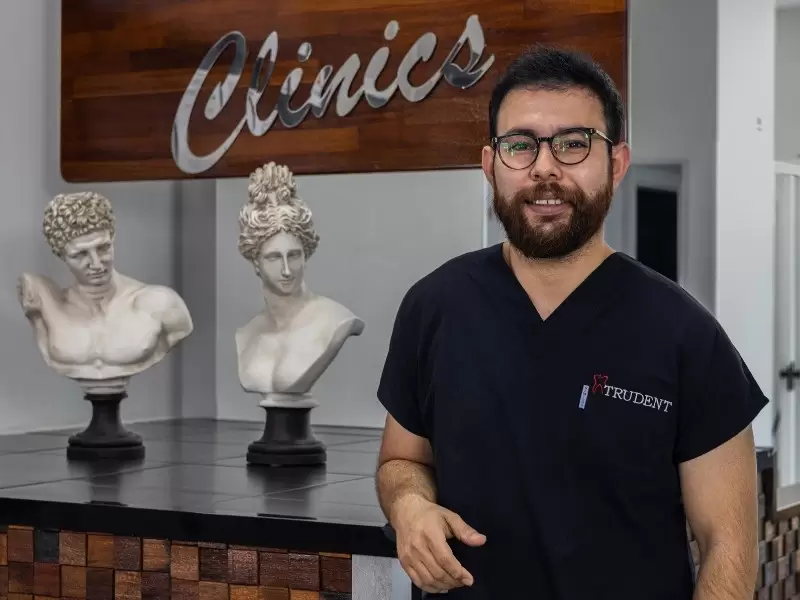
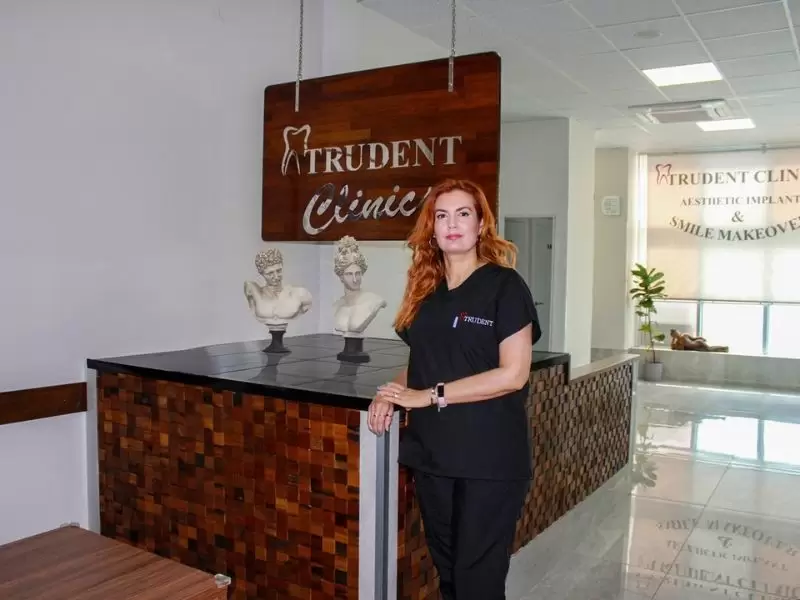
A clinic’s own information can help you understand who is responsible for your care and how consultations are organised. For example, you can learn more about the team and clinical setting through TruDent Clinics’ team page, then compare that information with independent patient experiences and the questions raised during a consultation.
Questions to ask before trusting a review
Reading reviews is only one part of due diligence. Before committing to treatment, contact the clinic with focused questions that test whether the online experience matches the service you will receive. A professional response should be clear, specific, and based on an assessment rather than pressure to make an immediate decision.
Ask who will perform the treatment, what diagnostic records are required, and whether the proposed plan may change after an in-person examination. You should also understand what is included in the quoted price, how many visits are expected, what happens if adjustments are needed, and how remote follow-up is handled after you return home.
Useful questions should address your treatment rather than request a guaranteed outcome. Ask how the dentist manages sensitivity, bite concerns, gum problems, implant healing, or restoration repairs. A clinic that explains limitations and alternatives may inspire more confidence than one offering an unusually simple answer to a complex case.
A practical review-checking routine
Use a consistent process so that appealing photographs or low prices do not dominate your decision. The following steps can help you evaluate Turkish dental clinics more fairly:
- Read detailed recent reviews on at least two independent platforms.
- Search for feedback about your specific procedure, not just the clinic’s overall rating.
- Check whether patient stories discuss follow-up, healing, adjustments, or long-term comfort.
- Compare review language, dates, photographs, and reviewer activity for signs of repetition.
- Ask the clinic to explain diagnosis, treatment stages, dentist credentials, costs, and aftercare.
Keep a written comparison of the clinics you are considering. Record the evidence supporting each option, the issues that remain unclear, and the questions you want answered. This prevents a polished website or persuasive social media post from replacing a careful assessment.
A consultation should connect online research with your personal dental condition. Your final treatment plan may differ from what appears in a review because factors such as enamel, bone volume, gum health, bite, existing restorations, and medical history vary from patient to patient.
Use patient reviews as evidence, not as a promise. After comparing independent feedback and receiving a personalised assessment, arrange a consultation with the clinic that best addresses your treatment goals, safety concerns, and aftercare expectations. Clear questions and realistic planning can help you move forward with greater confidence in your Turkish dental care decision.