How to Repair a Chipped Tooth With Minimal Invasiveness
A chipped tooth can be a small cosmetic defect or a sign of deeper structural damage. A minor enamel flake may cause little discomfort, while a larger fracture can expose sensitive dentine, affect your bite, or leave the tooth vulnerable to further breakage. The appropriate solution depends on the chip’s location, depth, size, and cause.
Modern dentistry often allows dentists to preserve most of the natural tooth. Instead of removing healthy structure immediately, a clinician may smooth a sharp edge, rebuild the missing area with tooth-coloured composite, or recommend another conservative treatment. Prompt assessment helps prevent a small defect from becoming a more complicated dental problem.
At TruDent Clinics in Izmir, treatment planning begins with an examination of the damaged tooth, surrounding gums, and bite. The aim is to match the least invasive suitable option with your functional and aesthetic goals, whether you need a quick repair or a broader smile makeover.
What Causes A Tooth To Chip
Teeth may chip after biting hard foods, chewing ice, opening packaging, or experiencing an impact during sport or an accident. A weakened tooth can also fracture because of untreated decay, a large old filling, enamel wear, or repeated pressure from teeth grinding. Even a small corner fracture should be evaluated if the tooth feels different afterward.
Front teeth commonly chip at the biting edge, where the defect is visible when speaking or smiling. Back teeth may lose a cusp, the raised section used for chewing. A fracture around an existing filling can be more extensive than it first appears, particularly when the tooth has already lost a significant amount of natural structure.
Age-related enamel thinning, acidic foods, reflux, and an uneven bite can increase the likelihood of small fractures. Identifying the reason for the chip matters because repairing the visible damage without addressing grinding, decay, or bite pressure may lead to another break.
When A Chipped Tooth Needs Urgent Care
Pain, lingering sensitivity, bleeding, swelling, or a sharp edge that cuts the tongue can indicate that the injury is more than superficial. If a large piece has broken away, the tooth moves, or the centre looks pink or dark, the pulp may be exposed or injured. This requires prompt dental attention to reduce the risk of infection and ongoing pain.
A chipped tooth after facial trauma should be assessed even when symptoms seem mild. The root, jawbone, or neighbouring teeth may also be affected. Until you receive care, rinse gently with water, avoid chewing on the injured side, and keep any broken fragment in milk or saliva if you have it. Do not apply aspirin directly to the gum or tooth.
Emergency dental care may involve covering exposed surfaces, managing pain, repairing the tooth, or stabilising it while the dentist determines the full extent of the injury. A professional examination is safer than trying to glue the fragment back yourself or filing the tooth at home.
Conservative Treatment Options Compared
The least invasive repair depends on how much tooth structure remains and whether the pulp or root is involved. A dentist may use magnification, photographs, X-rays, and bite checks to distinguish a superficial enamel chip from a crack that extends below the gum line. Treatment should preserve healthy tissue while creating a stable, natural-looking result.
| Treatment |
Best suited to |
Tooth preparation |
Typical advantages |
| Edge smoothing and polishing |
Tiny, rough enamel chips |
Minimal or none |
Fast, simple, and preserves the tooth |
| Composite bonding |
Small to moderate visible chips |
Little or no removal of healthy enamel |
Tooth-coloured, repairable, and usually completed in one visit |
| Enamel recontouring |
Uneven edges or very minor reshaping needs |
Conservative polishing |
Improves symmetry without adding material |
| Dental veneer |
Cosmetic damage affecting the front surface |
Limited enamel preparation may be needed |
Covers broader visible defects and can refine shape |
| Crown |
Large fracture or substantially weakened tooth |
More extensive preparation |
Protects remaining structure when a filling or veneer is insufficient |
| Root canal and restoration |
Chip with pulp exposure or irreversible inflammation |
Treatment of the internal canal plus restoration |
Removes infected tissue and helps retain the natural tooth |
Composite resin bonding is often the most conservative way to rebuild a small front-tooth chip. The dentist selects a shade, conditions the surface, applies resin in layers, shapes it, and hardens it with a curing light. The repaired area can then be polished to blend with neighbouring enamel. Since healthy tooth structure is usually preserved, future adjustments are generally straightforward.
How Bonding Repairs A Small Chip
Before bonding, the tooth must be clean and dry. The dentist assesses the bite to ensure the restored edge does not receive excessive force during chewing. A carefully matched composite can recreate the contour, translucency, and texture of the natural tooth, although the final appearance also depends on lighting, enamel colour, and the size of the defect.
The procedure is commonly comfortable and may not require local anaesthetic when no drilling is necessary. A single appointment may be enough for a small repair, making composite bonding useful when someone wants an efficient cosmetic tooth repair with minimal intervention. The dentist may still recommend a follow-up to check the margin and bite.
Bonding is durable, but it is not indestructible. Biting pens, fingernails, ice, and very hard foods can damage the resin. Coffee, tea, red wine, and tobacco may gradually stain the material, especially at the surface. Good oral hygiene and periodic polishing can help maintain the result, while a night guard may be useful for patients who clench or grind.
Choosing Between Bonding, Veneers, And Crowns
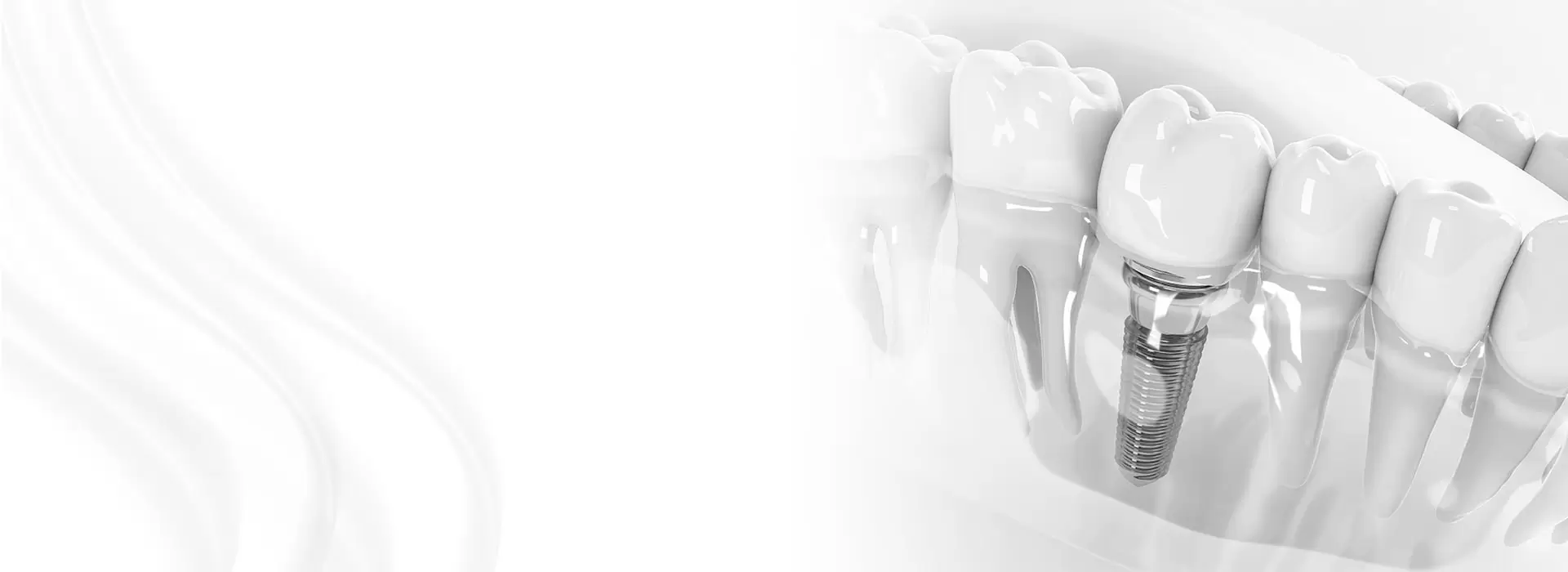
Bonding is generally appropriate when the remaining enamel is healthy and the chip is limited. A veneer may be considered when the front surface has several cosmetic concerns, such as uneven shape, discolouration, or multiple small fractures. Veneers require careful planning because a thin layer of enamel may need to be prepared, and the treatment is less easily reversible than bonding.
A crown is reserved for teeth that have lost substantial structure, contain a large filling, or are at risk of splitting under normal biting forces. It covers the prepared tooth and can provide greater protection, but it involves more extensive reduction than a direct composite repair. A crown is therefore not usually the first choice for a minor enamel chip.
The right option also depends on your long-term dental health. Active decay, gum disease, poor hygiene, severe bruxism, or an unstable bite should be managed before a cosmetic restoration is placed. Patients considering a smile makeover can review patient treatment experiences while discussing realistic outcomes and maintenance needs during a consultation.
Making A Minimal Repair Last Longer
A repaired tooth needs the same daily care as natural enamel. Brush twice a day with fluoride toothpaste, clean between the teeth, and attend regular examinations. Fluoride helps strengthen vulnerable enamel, while professional cleaning can reduce plaque around the restoration’s margins. If the chip was related to decay or acidic erosion, prevention should be part of the treatment plan.
Small habits can protect composite bonding, veneers, and natural teeth from unnecessary stress:
- Avoid chewing ice, hard sweets, pen caps, and other rigid objects.
- Cut very hard foods into smaller pieces and use the back teeth where appropriate.
- Wear a custom mouthguard during contact sports or activities with a risk of facial impact.
- Ask about a night guard if you wake with jaw tension, headaches, or signs of tooth grinding.
- Return for a review if the repair feels high, rough, loose, or sensitive.
A restoration may eventually need polishing, repair, or replacement, particularly when it is exposed to heavy bite forces. This does not mean the initial treatment failed; dental materials have a service life and can be affected by wear, habits, and changes in the surrounding teeth.
Arrange A Careful Assessment
Fixing a chipped tooth with minimal invasiveness starts with identifying what has been damaged and why. A tiny enamel defect may need only smoothing, while composite bonding can restore a larger cosmetic chip without sacrificing healthy tooth tissue. Veneers, crowns, or root canal treatment have a role when the fracture is broader or the tooth is structurally compromised.
Book a consultation with TruDent Clinics in Izmir for an examination and personalised treatment plan. Early care can protect the tooth, improve comfort, and help you choose a repair that looks natural while preserving as much of your original tooth as possible.