How to Fix a Misaligned Jaw Without Surgery
A misaligned jaw can affect much more than facial symmetry. It may contribute to an uneven bite, difficulty chewing, jaw clicking, headaches, tooth wear, speech changes, or tension around the temples and neck. Some people notice the issue mainly in photographs, while others experience daily discomfort or progressive dental problems.
The right treatment depends on what is causing the imbalance. A jaw may appear misaligned because the teeth are positioned incorrectly, the bite has shifted, the jaw muscles are overactive, or the upper and lower jawbones have developed in different proportions. These causes require different approaches, so an examination is essential before choosing treatment.
Many mild to moderate cases can be improved without an operation. Orthodontic treatment, clear aligners, bite splints, physiotherapy, and carefully selected injectable treatments may reduce symptoms or improve alignment. However, non-surgical care cannot move adult jawbones into a new skeletal position, which makes accurate diagnosis especially important.
Understanding The Source Of Jaw Misalignment
A dental misalignment occurs when the teeth do not meet properly, even though the jawbones are broadly balanced. Crowded teeth, an overbite, underbite, crossbite, and open bite are common examples. Moving the teeth with braces or invisible aligners may significantly improve the bite and create a more balanced smile.
A skeletal discrepancy involves the size, shape, or position of the upper or lower jaw. A lower jaw that sits too far forward, a narrow upper jaw, or a pronounced facial asymmetry may fall into this category. Orthodontic treatment can sometimes camouflage a mild skeletal difference, but severe discrepancies may require assessment by an oral and maxillofacial surgeon.
Muscle-related imbalance is another possibility. Clenching, grinding, stress, or one-sided chewing can overdevelop the masseter muscles and make one side of the face look broader. Temporomandibular joint disorders can also cause pain, clicking, restricted movement, or a sensation that the bite is changing.
Orthodontic Options For A Better Bite
Braces remain one of the most predictable ways to correct tooth position and improve how the upper and lower arches meet. Ceramic brackets offer a less noticeable appearance, while traditional metal braces may be useful for complex movements. Treatment time varies according to crowding, bite severity, bone support, and patient cooperation.
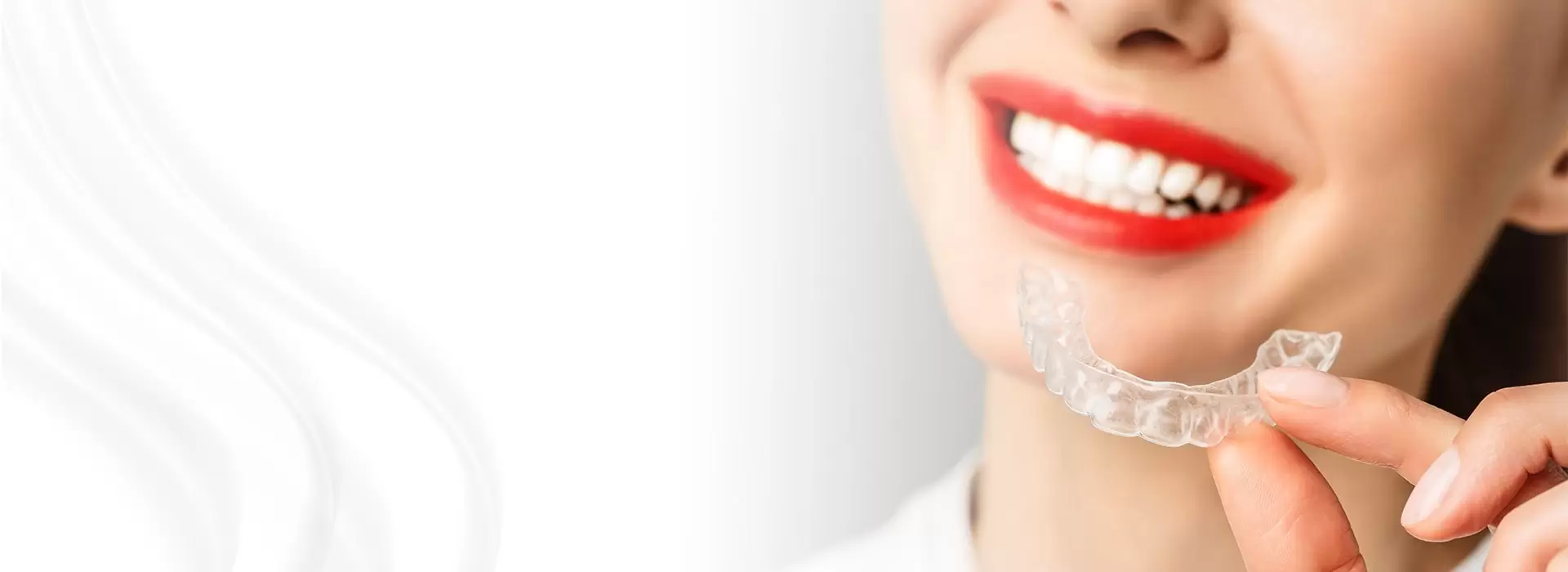
Clear aligners can correct many cases of mild or moderate crowding, spacing, overbite, crossbite, and selected jaw-related bite problems. A series of removable trays gradually guides the teeth into planned positions. They are discreet and can be removed for eating and brushing, but they must usually be worn for around 20 to 22 hours per day.
Orthodontic treatment may reduce uneven pressure on the teeth, improve chewing efficiency, and make the face appear more balanced. It is important to understand that aligners and braces move teeth rather than repositioning the adult jawbone itself. A clinician should explain whether the planned result is true skeletal correction or dental compensation.
Splints, Physiotherapy, And Daily Habits
A stabilisation splint or occlusal appliance may be recommended when clenching, grinding, or temporomandibular joint strain is contributing to symptoms. Depending on its design, an appliance can protect the teeth, reduce muscle activity, and provide a more stable resting relationship between the arches. It should be prescribed and monitored by a dental professional rather than purchased as a generic solution.
Jaw physiotherapy can support mobility and reduce muscle tension. Treatment may include gentle range-of-motion exercises, massage, posture work, controlled strengthening, and education about resting the jaw. Keeping the tongue relaxed, avoiding prolonged gum chewing, and reducing wide yawning may also help during a painful flare-up.
Habits can influence symptoms over time. Try to keep the teeth slightly apart when not eating, avoid biting pens or nails, and vary the side used for chewing. Softer foods may be suitable temporarily when the joint is irritated, but long-term restriction should not replace diagnosis and treatment.
Botox And Other Non-Surgical Facial Treatments
Botulinum toxin injections may be considered when enlarged or overactive jaw muscles are contributing to facial width, clenching, or tension. By temporarily reducing muscle contraction, treatment can soften a square jaw appearance and ease some muscle-related discomfort. The effect develops gradually and generally lasts for several months.
This treatment does not straighten teeth, repair a displaced disc in the jaw joint, or move the jawbone. It is therefore most appropriate for selected muscular causes rather than a true skeletal misalignment. Assessment should include the bite, muscle strength, joint function, facial proportions, and medical history.
Other aesthetic treatments, such as dermal fillers, may sometimes create the appearance of improved facial balance by adding volume to a recessed chin or uneven contour. They do not correct the underlying bite. A qualified practitioner should explain the difference between camouflage and functional correction, including possible risks and the need for maintenance.
Comparing Non-Surgical Treatment Paths
The most suitable approach depends on whether the main problem is dental, muscular, joint-related, or skeletal. A detailed consultation may include photographs, digital scans, X-rays, bite analysis, and an assessment of jaw movement. In some cases, referral to a specialist is appropriate before treatment begins.
| Treatment approach |
Most useful for |
Main benefit |
Important limitation |
| Clear aligners |
Mild to moderate dental crowding and bite problems |
Discreet tooth movement and improved bite |
Does not reposition adult jawbones |
| Fixed braces |
Complex tooth movement and significant bite correction |
Strong control over tooth position |
More visible and requires careful cleaning |
| Occlusal splint |
Clenching, grinding, and selected TMJ symptoms |
Protects teeth and may reduce strain |
Does not permanently align the jaw |
| Physiotherapy |
Muscle tension, restricted movement, and posture-related symptoms |
Supports mobility and comfort |
Results depend on diagnosis and regular exercises |
| Botulinum toxin |
Overactive masseter muscles and muscle-related facial width |
Reduces muscle contraction temporarily |
Cannot correct a skeletal discrepancy |
| Surgical assessment |
Moderate to severe jawbone imbalance |
Determines whether structural correction is needed |
May lead to discussion of corrective jaw surgery |
A personalised plan may combine treatments. For example, a patient could use a splint to manage grinding before beginning orthodontics, or receive physiotherapy while wearing aligners. Combining therapies should be based on a clear diagnosis, because an appliance or injection can sometimes worsen symptoms if used for the wrong condition.
When Non-Surgical Care May Be Insufficient
Non-surgical jaw correction may have limits when the upper and lower jawbones are significantly mismatched. Warning signs include a severe underbite or overbite, major facial asymmetry, difficulty closing the lips comfortably, persistent chewing problems, or an open bite that does not respond to orthodontic treatment.
Persistent pain, swelling, locking, numbness, sudden changes in the bite, or an inability to open the mouth normally should receive prompt dental evaluation. An accident or blow to the face requires urgent assessment, particularly if there is bleeding, loose teeth, altered sensation, or difficulty breathing or swallowing.
Surgery is not automatically necessary when a jaw looks uneven. Some patients are satisfied with orthodontic camouflage or cosmetic balancing, while others need a specialist opinion to understand the functional and aesthetic trade-offs. The decision should follow imaging, clinical examination, and a discussion of expected results rather than appearance alone.
Steps For Choosing A Safe Treatment Plan
Before committing to treatment, gather information about when the symptoms began, whether they are worsening, and whether clenching or an injury may be involved. Bring details of previous orthodontic work, dental restorations, headaches, joint sounds, and any medications to the appointment.
Useful steps include:
- Book a comprehensive examination with a dentist or orthodontist experienced in bite and jaw concerns.
- Ask whether the problem is dental, muscular, joint-related, skeletal, or a combination.
- Request an explanation of how each proposed treatment will change function and appearance.
- Confirm the expected treatment duration, follow-up schedule, risks, and retention requirements.
- Seek a second opinion or specialist referral when symptoms are severe or the skeletal imbalance appears significant.
A reliable clinic should create a treatment plan around the patient’s anatomy, goals, lifestyle, and oral health. Digital smile planning can help visualise aesthetic changes, but the final plan should also consider chewing, speech, joint comfort, tooth roots, gums, and long-term stability.
Begin With A Personalised Jaw Assessment
Fixing a misaligned jaw without surgery is often possible when the underlying concern involves tooth position, muscle overactivity, habits, or mild bite imbalance. Clear aligners, braces, splints, physiotherapy, and selected botulinum toxin treatments each have a specific role, but none should be presented as a universal solution.
TruDent Clinics in Izmir provides personalised dental consultations for orthodontic, cosmetic, general, and jaw-related concerns. An assessment can help clarify whether invisible aligners, bite management, muscle-focused treatment, or specialist evaluation is the most appropriate next step. Schedule a consultation to receive a plan based on your bite, facial balance, symptoms, and long-term oral health.