How to Fix a Receding Gumline Without Surgery
A receding gumline occurs when gum tissue pulls away from a tooth, exposing part of the root. This can make teeth look longer, increase sensitivity, trap plaque, and raise the risk of root decay. Because several conditions can cause gum recession, the right treatment depends on whether the problem comes from inflammation, brushing pressure, tooth position, grinding, or naturally thin gums.
Many patients can control mild or moderate recession without an operation. Professional cleaning, improved home care, desensitising treatments, tooth-coloured bonding, orthodontic alignment, and protection from grinding may stop the condition from progressing and improve the appearance of exposed roots.
However, non-surgical care does not usually make lost gum tissue grow back. A dental examination is important before choosing treatment, particularly if the recession is progressing, bleeding, painful, or affecting several teeth.
What gum recession means
Healthy gum tissue forms a protective seal around each tooth. When that seal moves toward the root, the cemento-enamel junction becomes visible and the root surface is exposed. Root surfaces are softer than enamel, so they can wear or decay more easily.
Recession may appear as a single notch near one tooth or as a broader change across the smile. Common symptoms include sharp sensitivity to cold drinks, discomfort when brushing, visible yellowish root surfaces, bleeding, and a feeling that the teeth have become loose or longer.
The amount of recession is only one part of the diagnosis. A dentist or periodontist also checks gum thickness, plaque levels, bone support, tooth mobility, bite forces, and any pockets around the teeth. These details help determine whether non-surgical gum treatment is suitable.
Why the gumline moves
Aggressive horizontal brushing is a frequent cause, especially when combined with a hard-bristled toothbrush and abrasive whitening toothpaste. Repeated pressure can damage thin gum tissue and contribute to a V-shaped notch near the gumline. Switching to gentle, small movements is often an important first step.
Gum disease is another major cause. Bacteria and hardened tartar trigger inflammation, which can destroy the tissues and bone supporting the teeth. Smoking, poorly controlled diabetes, hormonal changes, crowded teeth, lip or tongue piercings, and inadequate dental hygiene can increase the risk.
Tooth grinding and clenching may also overload the gum and supporting structures. A tooth that sits outside the natural curve of the dental arch can have less bone and gum coverage. In these cases, treating the underlying pressure or tooth position is essential instead of focusing only on the visible gumline.
Professional ways to treat recession without surgery
The first non-surgical option is a thorough dental cleaning. Scaling and root surface debridement remove plaque and tartar from above and below the gumline, reducing inflammation and allowing the tissue to become healthier. The process may be combined with local anaesthetic if the roots are sensitive.
A dentist may recommend fluoride varnish, prescription-strength fluoride toothpaste, or a desensitising product containing ingredients such as potassium nitrate or arginine. These treatments do not rebuild gum tissue, but they can reduce nerve sensitivity and help protect exposed roots from decay.
Small areas of root exposure can sometimes be covered with composite bonding. The dentist applies tooth-coloured resin to the exposed portion, shapes it to match the tooth, and polishes the surface. This can improve the smile and reduce sensitivity, although bonding may need maintenance and does not replace missing gum.
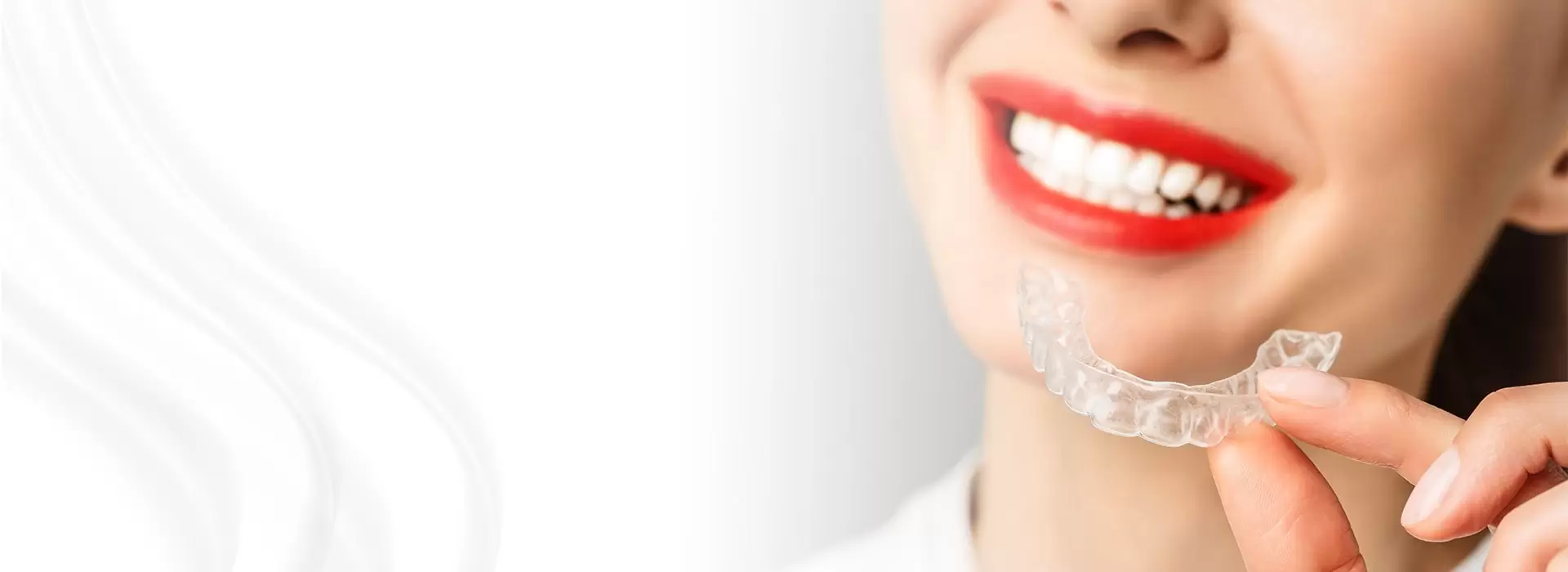
If an uneven bite or crowded teeth contributes to recession, clear aligners or other orthodontic treatment may help move the teeth into a healthier position. Tooth movement must be carefully planned because excessive movement toward thin bone can worsen recession. A gum and bone assessment should come before orthodontic treatment.
| Non-surgical option |
Suitable for |
Main benefit |
Important limitation |
| Professional gum cleaning |
Plaque-related inflammation and early gum disease |
Reduces infection and bleeding |
Does not restore lost gum tissue |
| Fluoride or desensitising care |
Cold sensitivity and exposed roots |
Strengthens or calms the root surface |
Requires regular use and maintenance |
| Composite bonding |
Small, visible areas of root exposure |
Improves appearance and protects the surface |
Can chip, stain, or need replacement |
| Clear aligners |
Recession linked to tooth position or crowding |
May improve alignment and hygiene access |
Must be planned around gum and bone support |
| Occlusal guard |
Grinding or clenching |
Reduces damaging bite forces |
Does not correct active gum disease |
| Periodontal monitoring |
Stable, mild recession |
Detects progression early |
Requires regular reviews and good home care |
Daily habits that protect the gumline
Use a soft or extra-soft toothbrush and a low-abrasion fluoride toothpaste. Hold the brush at the gum margin and use light, short movements rather than scrubbing from side to side. An electric toothbrush with a pressure sensor may be useful for people who tend to brush too forcefully.
Cleaning between the teeth is equally important. Interdental brushes, floss, or a water flosser can remove plaque where a toothbrush cannot reach. The best choice depends on the size of the spaces and the condition of the gums. Bleeding during the first days of improved cleaning can result from inflammation, but persistent bleeding should be assessed.
Acidic drinks, frequent snacking, and tobacco can make exposed roots more vulnerable. Rinse with water after acidic foods and wait before brushing if the teeth have been exposed to acid. Do not apply aspirin, undiluted peroxide, or abrasive powders directly to the gums, as these can irritate tissue.
When non-surgical care may be enough
Non-surgical treatment may be effective when recession is mild, stable, and caused mainly by plaque, brushing trauma, or a manageable bite problem. The goal is to remove inflammation, protect the root, control sensitivity, and prevent further tissue loss. In some cases, bonding or orthodontic correction can produce a noticeable cosmetic improvement without gum surgery.
Monitoring is part of the treatment. The dental team may measure recession and gum pockets over time, take photographs, and review brushing technique. Stable measurements and reduced sensitivity suggest that the plan is working, even if the gumline itself has not moved back over the exposed root.
A personalised assessment at TruDent Clinics can help identify whether general dentistry, periodontal care, bonding, aligners, or another treatment is appropriate. A consultation should include discussion of medical history, dental habits, cosmetic goals, and the long-term stability of any proposed procedure.
Signs that need prompt dental attention
Receding gums should be evaluated promptly when the change is new or rapidly worsening. Severe sensitivity, swelling, pus, persistent bleeding, bad breath, loose teeth, or pain when biting may indicate active periodontal disease or another dental problem requiring more than home care.
A dentist may recommend X-rays or periodontal measurements to evaluate bone support. If the root is badly exposed, the tissue is very thin, or recession continues after inflammation and brushing trauma have been controlled, a gum graft may provide the most predictable root coverage. Non-surgical treatment can still be used before or alongside surgery to create a healthier foundation.
Laser gum treatment is sometimes marketed as a way to reverse recession. While lasers may have a role in selected periodontal procedures, they do not automatically regenerate lost gum tissue. Treatment claims should be assessed carefully and based on the cause, severity, and evidence for the specific technique.
Practical steps for protecting exposed roots
A consistent routine can prevent a small recession defect from becoming a larger one. Use these measures while arranging a professional assessment:
- Brush twice daily with a soft brush, gentle pressure, and fluoride toothpaste.
- Clean between teeth every day with an appropriately sized interdental brush or floss.
- Reduce acidic drinks, tobacco use, and frequent sugary snacks.
- Ask a dentist about fluoride varnish, desensitising products, or protective composite bonding.
- Request a bite and grinding assessment if you clench, wake with jaw tension, or notice worn teeth.
Recession cannot always be reversed without surgery, but its progression can often be controlled. Early diagnosis gives patients more options, especially when inflammation, brushing technique, tooth alignment, or grinding is involved. Book a dental consultation to have the gumline measured, the underlying cause identified, and a personalised plan created for healthier gums and a more confident smile.