Fix chipped and broken teeth fast with minimal downtime
For many Australians, a chipped or broken tooth arrives at the worst possible moment. One minute you are dodging a cricket ball in the backyard or biting into a stubborn olive at a Saturday barbie, and the next you are dealing with sensitivity, a jagged edge, and a sinking feeling about the bill. With dental fees in capital cities like Sydney and Melbourne often higher than the national average, and waiting lists at public clinics stretching into months, a damaged tooth can quickly become both a physical and financial headache. Add the pressure of a busy calendar between work, school pickups, and weekend surf trips along the coast, and it becomes obvious why so many patients want a fix that gets them back to normal life within hours rather than weeks.
Modern cosmetic and restorative dentistry offers several treatments designed specifically for fast recovery. Whether the damage is a small chip from a hockey tackle in Brisbane, a cracked molar from grinding through stressful commutes in Perth, or a lost filling after biting into a rogue popcorn kernel during movie night, there are options that protect the natural tooth, restore appearance, and require little time off the chair. Below is a practical look at how dentists approach these repairs, what Australians typically weigh when comparing options, and what to expect during the recovery window.
What usually causes a chipped or broken tooth
Chipped and broken teeth rarely happen on schedule. In Australia, weekend sport is one of the most common culprits, with everything from AFL and rugby league to touch footy and mountain biking leaving their mark on smiles. A knock to the mouth during a Saturday game often leaves a visible chip on a front tooth, while a fall from a skateboard in a suburban skate park can split a molar from root to cusp. Even without contact sport, everyday habits contribute: crunching on ice after a long shift, biting through a pen cap during a long meeting, or using teeth to open a stubborn package from an online delivery.
Age and wear also play a role. People in their forties and fifties often notice tiny fractures appearing on teeth that have copped decades of grinding, particularly during stressful periods at work. Acid erosion from a steady coffee habit or reflux can thin enamel until it chips under minimal pressure. In dry inland regions like parts of South Australia and western Queensland, lower saliva flow can make teeth more brittle, and a single misjudged bite on a hard lolly or olive pit is often enough to cause a crack that runs deeper than the surface enamel. Recognising the cause helps the dentist choose the right repair, because the deeper the crack travels, the more involved the restoration becomes.
Composite bonding and reshaping for small damage
For minor chips and shallow fractures, composite bonding is often the fastest path back to a confident smile. The procedure uses a tooth-coloured resin that the dentist applies directly to the tooth, shapes, and hardens with a curing light, usually within thirty to sixty minutes per tooth. No lab work is needed, anaesthesia is often unnecessary, and patients in cities such as Adelaide or Hobart can typically return to work or study the same afternoon. Bonding also preserves most of the healthy tooth structure, which matters for younger patients whose teeth still have decades of service ahead.
The trade-off is that composite material can stain over time, especially for heavy coffee or red wine drinkers, and may need polishing every couple of years. For a small chip on a front tooth, however, the result is often indistinguishable from the natural enamel. Reshaping, also called enameloplasty, can be paired with bonding to smooth rough edges and balance the bite, particularly when a small piece has chipped off the corner of an incisor. Together, these techniques offer a genuinely low-downtime solution for everyday accidents that simply will not wait for a multi-visit plan.
When bonding is usually the right call:
- The chip is smaller than a few millimetres and has not exposed the nerve
- The damaged tooth is at the front of the mouth where appearance matters most
- The patient wants a single-visit repair without temporary crowns or impressions
- There is no existing large filling or root canal on the same tooth
Veneers, onlays, and crowns for larger repairs
When a larger portion of the tooth has broken away, or when a crack extends into the dentin, a more substantial restoration is usually required. Porcelain veneers can cover front teeth that have lost a significant chip or have multiple old fillings that compromise strength. The process usually involves two visits: one to prepare the tooth and take digital scans, and a second to bond the custom-made veneer in place. Many Australian patients now compare local quotes against reputable overseas options such as this Izmir dental clinic, where lab fees are typically lower and turnaround can be faster for those combining treatment with a short break.
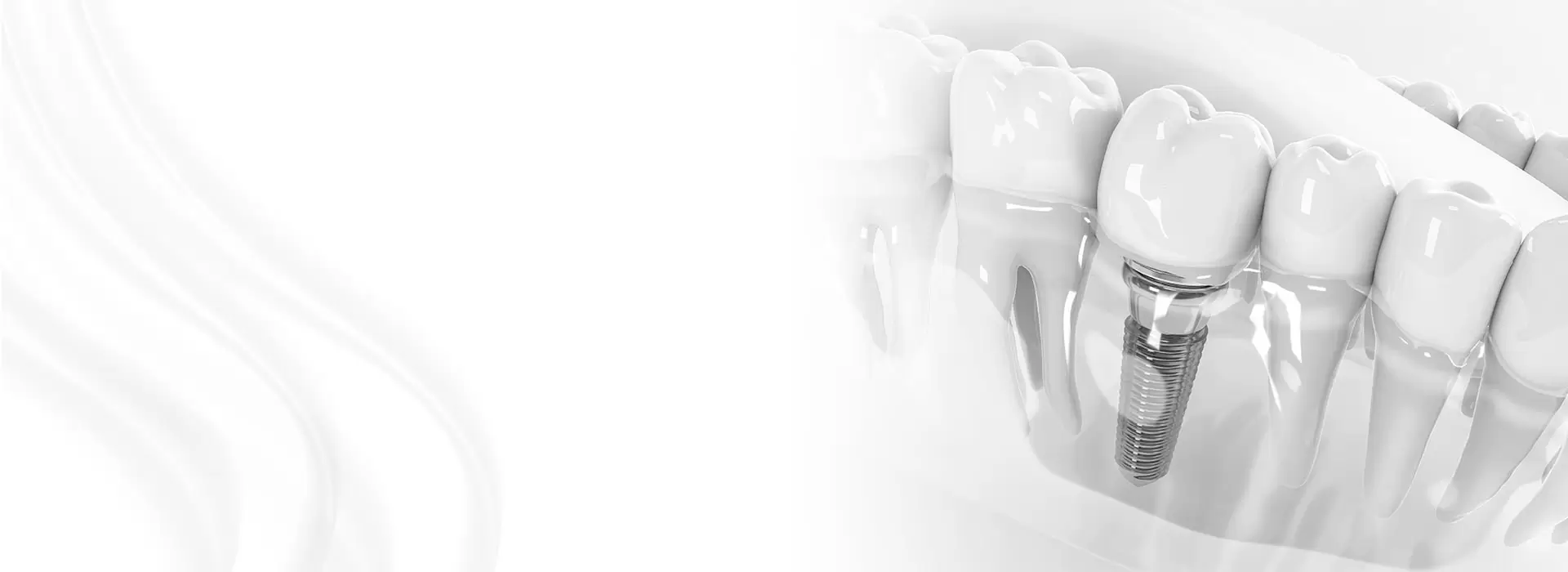
For back teeth that absorb heavy chewing forces, an onlay or a full crown usually makes more sense. Onlays cover one or more cusps and are a conservative alternative to a full crown when enough healthy tooth remains. Crowns, often ceramic or zirconia, encase the entire visible portion of the tooth and are used when the damage is too extensive for a filling or onlay. Both options are designed in a dental laboratory using digital scans, then cemented into the tooth at a follow-up appointment. With proper care, a well-placed crown can last fifteen years or more, making it a solid long-term investment for patients tired of repeated small repairs.
Emergency dental care when time matters
A knocked-out tooth, a large fracture that exposes the nerve, or sudden severe pain all qualify as dental emergencies, and waiting a week to see a regular provider can cost the tooth entirely. Most Australian capital cities have dedicated emergency dental clinics that offer same-day appointments, often with extended hours during weekdays and weekend availability. If a tooth has been knocked out completely, the Australian Dental Association recommends placing it back in the socket if possible, or storing it in milk or saline, and reaching a dentist within thirty to sixty minutes for the best chance of saving it.
When the damage is less severe but still urgent, such as a large chunk missing from a front tooth before a wedding, job interview, or family photo session in the Botanic Gardens, a dentist can often place a temporary composite build-up during the first visit and arrange the permanent solution soon after. This staged approach keeps downtime to a minimum and lets the patient leave looking presentable while the final restoration is being fabricated. It is also worth checking whether private health insurance covers part of the emergency visit, as many Australian extras policies include an accruing annual benefit that resets at the start of the financial year.
Practical steps that shorten recovery after a repair:
- Stick to soft, lukewarm food for the first twenty-four hours
- Avoid the treated side when chewing until any tenderness settles
- Wear a custom mouthguard for contact sport and a night guard if you grind
- Keep up six-monthly check-ups so small chips are caught early
Choosing the right dental team and starting the process
The final step toward a quick, low-downtime repair is choosing the right clinic and asking the right questions during the consultation. A reputable cosmetic and restorative team will explain the available options in plain language, show you examples of similar cases, and provide a written treatment plan with timelines, materials, and costs. Patients comparing local clinics against providers in other countries should ask about the dentist's qualifications, the laboratory that fabricates the veneers or crowns, the warranty offered on the work, and how follow-up appointments are handled once the patient returns home.
Travelling for dental treatment is increasingly common among Australians looking for value, particularly for larger smile makeovers that involve several veneers or implants. Combining the visit with a short Mediterranean break can make the time away feel less like a medical trip and more like a planned holiday. Whatever the choice, the priority should be a clinic that communicates clearly, uses well-known material systems, and stands behind the work with a meaningful guarantee. A personalised plan from such a team is far better than guessing based on glossy before-and-after photos or rushed social-media ads.
If you have been weighing local quotes against treatment abroad, the next step is straightforward. Book a consultation, send through a clear photo of the damaged tooth, and ask about materials, lab partnerships, warranty terms, and recovery timeframes. A tailored plan from a qualified cosmetic and restorative team will set out exactly what to expect, how long each stage takes, and how to keep downtime to a bare minimum while protecting the result for years to come.